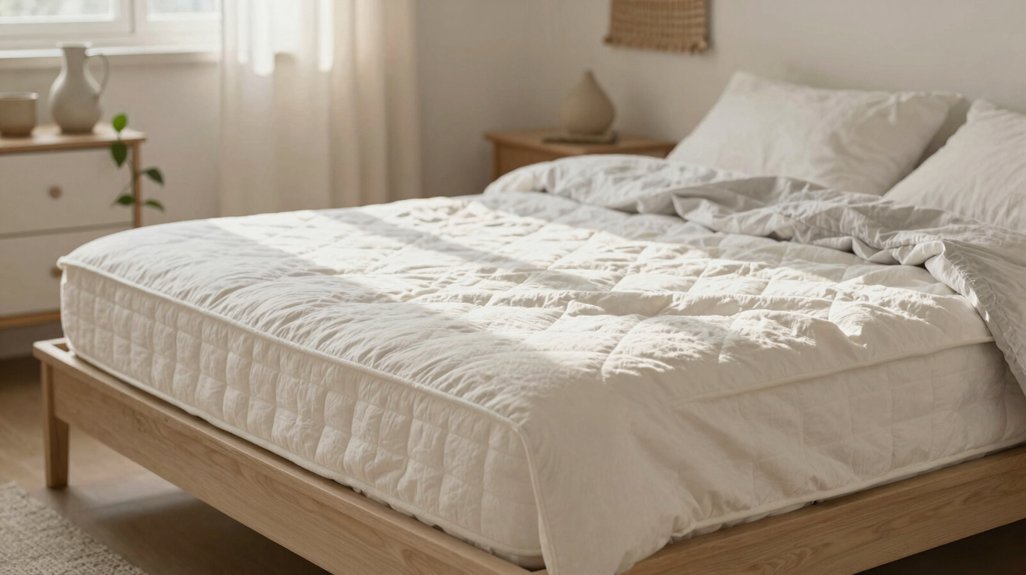
A mattress is like a locked door, and you’ve got five keys to try before you give up on it entirely. You’re not stuck with that rock-hard sleep surface, and you won’t need to spend a fortune to fix it.
Tonight, you could warm the foam with a heated pad for 20 minutes, or add a 3-inch memory foam topper by morning. But some fixes take patience, and one step might surprise you.
Warm the Bed to Soften Foam Tonight
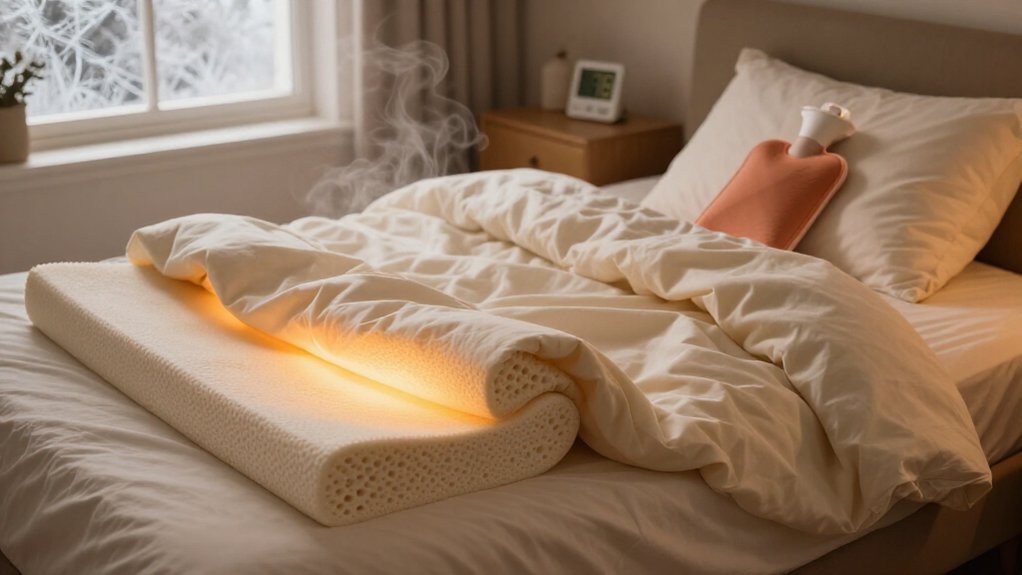
On a cold night, your memory-foam mattress can feel like sleeping on a board, but you can fix that in about 15 minutes. Memory foam responds to temperature, so when your bedroom temperature drops, the foam stiffens up and you’ll notice your mattress too firm for comfort.
You can make a firm mattress softer without buying anything new if you warm the room first. Try raising the temperature about 2–3°C, aiming for roughly 20°C, and you’ll feel the difference tonight.
Pre-warm the mattress directly for faster results. A heated mattress pad works great: just run it for 15–20 minutes, then switch it off before you sleep. No electricity? Use a hot water bottle under the duvet instead, then remove it. Your body heat will keep the foam comfortable, and it’ll soften on contact when you lie down.
Recommended Products

★【WHY CHOOSE SEALY HEATED MATTRESS PAD】If you are not a fan of getting into a cold bed, especially during the winter. This Sealy heated mattress pad is ideal to preheat…
Add a Soft Topper for Instant Cushioning
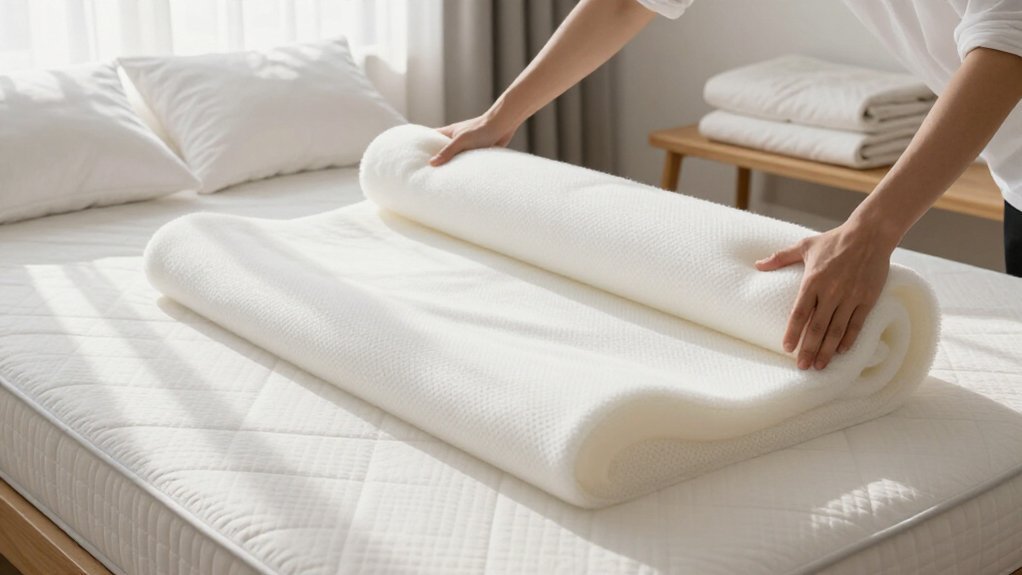
For a quick fix that doesn’t require waiting, you can add a soft topper right on top of your mattress. Mattress toppers give you instant cushioning without touching your base, and they’re the fastest way to make a firm mattress feel more welcoming.
Pick a 2 to 4 inch memory foam topper for maximum softening: 2 inches drops firmness by about one point, while 3 to 4 inches cuts 1.5 to 2 points on a 10-point scale.
Want a softer mattress without that deep sink? A 2 to 3 inch latex foam topper keeps things responsive and cooler. For plush, hotel-like comfort, try a 2 to 3 inch down topper, great when your support underneath is solid.
Memory foam topper material softens with warmth, so you’ll get better pressure relief if the room’s warm, or pre-warm your sleeping surface 15 to 20 minutes before bed.
Recommended Products

【SOFT & WASHABLE PLUSH COVER】The 500ML hot water bottle comes with a luxurious faux fur cover. The soft covers distribute the heat evenly and protect you against excessive heating. Is is ideal as bed warmer.

[Premium Material] — Our hot water bottle is crafted from top-grade PVC material, ensuring superior durability and longevity compared to traditional rubber bottles. The soft cloth cover also adds extra comfort, while the longer lasting insulation provides more heat for an extended period of time.
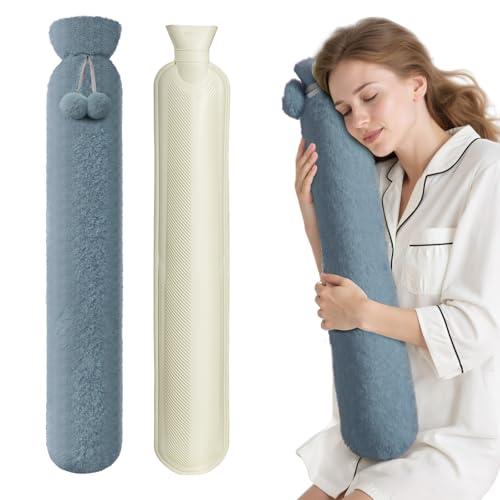
Explosion-Proof & Leak-Free Guarantee – Our hot water bottle passes rigorous 24-hour safety tests, meeting BS1970:2012 standards. Durable rubber ensures safe, worry-free warmth for the whole family.
Switch to Flexible Slats or a Spring Base
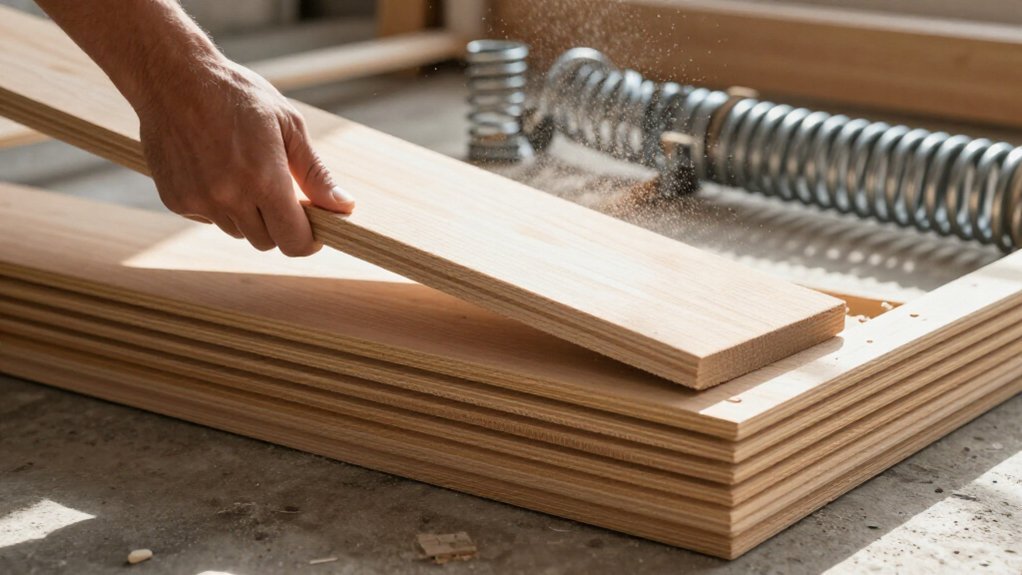
If your mattress feels like it’s fighting you every night, the problem might not be the mattress itself but what’s underneath it. Solid slats, a rigid platform base, or an old box spring can all amplify a firm mattress feel. A bed frame with sprung slats adds natural flex that softens the ride.
Here is how to make the switch:
- Check your current bed foundation. If it’s a solid platform or rigid slats, you’re missing cushioned support.
- Replace your bed frame with one that uses frame with sprung slats, typically 2-3 inch curved wooden slats that bow upward.
- Test for pressure points at your hips and shoulders after installation. Proper flex should relieve tension without sagging.
- If you own a divan base, swap the solid top for a sprung base to gain plushness without buying a new mattress.
Recommended Products

Pressure Relieving Plush Contouring Memory Foam: Designed for use over your existing mattress, high‑density gel‑infused plush memory foam hugs your body curves to minimize pressure points for restful sleep. It refreshes worn mattresses and softens hard beds to extend mattress lifespan, perfectly suited for side, back and stomach sleepers with full contour support

MEMORY FOAM COMBINING SOFTNESS AND SUPPORT! Is your firm gel memory foam mattress topper too hard, and your down alternative topper too soft, causing you to toss and turn with body aches? Filled with a blend of 40% memory foam and 60% fiber, Milcabe bed topper is designed for coordinated support and softness. Experience the plush comfort akin to sinking into a fluffy cloud, yet maintaining support that contours perfectly to your body, effectively relieving pressure points!

Premium Comfort: Experience the ideal blend of plush softness and responsive support. Our premium memory foam topper gently cradles your body's unique curves to help ease pressure points, so you wake up feeling rested and refreshed every morning
Let Your New Mattress Soften Over Time
Because a fresh mattress often feels stiffer than you’d expect, you’ll want to give it some time before deciding it’s too firm. New mattresses, especially memory foam mattresses with high-density memory foam, need a break-in period of 30–60 days to truly soften over time and reach their intended feel.
During this window, your body weight helps the comfort layers distribute evenly and conform where you apply pressure, typically at your shoulders and hips. You can slightly speed this process by gently walking or crawling across the bed for 10–15 minutes daily, which may trim 1–2 weeks off your wait.
If your mattress contains temperature-sensitive foam, keeping the room temperature around 20°C helps it respond better. Let your mattress soften naturally before you try to adjust the firmness further.
Recommended Products

Mattress Topper Protector (only Cover): our mattress topper cover contains 1 mattress cover, not a mattress; The mattress cover is dark gray, durable and easy to clean, allowing you to sleep comfortably
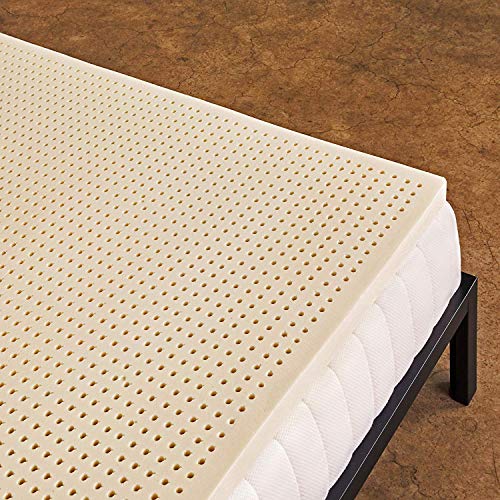
Soft – Great for Adding Softness to the Surface of a Mattress

Decide Whether to Soften Further or Replace
You’ve waited out the break-in period, maybe added a topper, and you’re still waking up sore. At this point, you need to decide if your mattress firmness can work or if you’re dealing with an overly firm mattress that needs replacing.
First, check your sleep trial. Many brands give you up to a year to exchange for a different firmness level, so use that before buying new.
Second, confirm you’ve really waited: how long does it take? Usually 30–60 days to break in, with memory foam sometimes needing the full 60.
Third, evaluate your topper attempt. If you try a mattress topper, like a 3-inch memory foam layer, and it still doesn’t cushion your shoulders and hips, the mattress is too firm for side sleepers.
Fourth, watch for warning signs. Persistent numbness means it’s time to replace, no matter the days to break in you’ve given it.
Recommended Products

Bed frame support legs compatible with most bed frame types. For Full King Queen bed frame or slats support.come with special screws that can drill directly through the iron bed beam.

UPGRADED 0.43" THICKNESS FOR STRONG SUPPORT-LAVEVE Bunkie Board features an upgraded sturdy 0.43" thickness, providing stable and even support for your mattress. It effectively helps solve sagging and unevenness, helping your mattress maintain firm, like-new support day after day.

【Bed Frame Center Support】If you are suffering from broken or creaking bed slats, then our bed reinforcement kit will be your most affordable choice, so you don't have to worry about broken or wobbly bed slats anymore
Leave a Reply