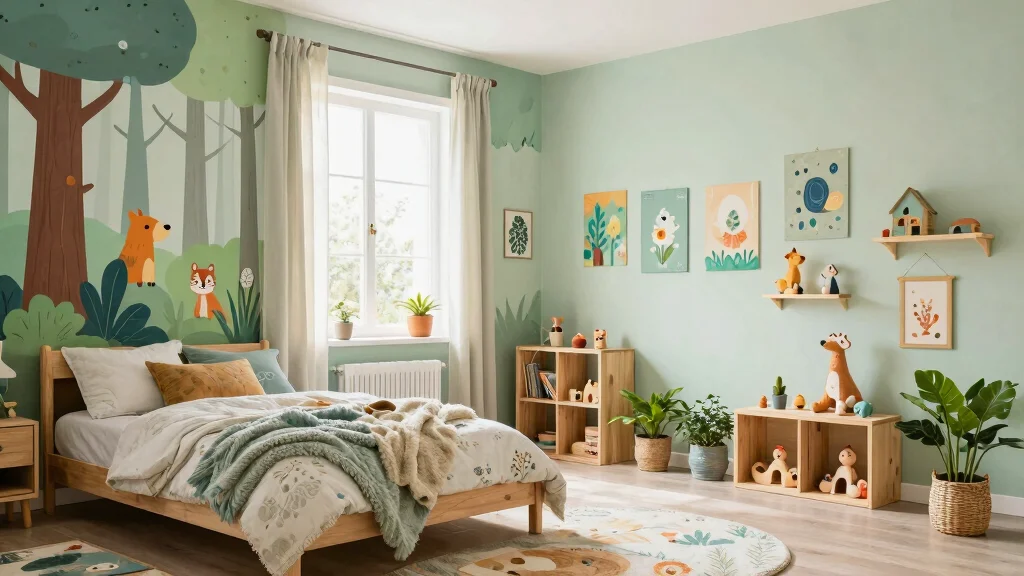
Creating a stylish and functional kids’ bedroom can feel overwhelming, especially when you want to blend your child’s personality with practical design. That’s why I’ve put together this guide on 14 Kids Bedroom Interior Design Ideas for Style. With the rising interest in eco-friendly options and unique children’s room decor, I believe it’s essential to provide you with fresh, creative themes that not only inspire but also foster a sense of comfort and fun in your child’s space.
If you’re a parent, guardian, or caregiver who wants to create an inviting and playful environment for your little ones, this post is just for you. You’ll find design ideas that cater to every child’s interests—from nature-inspired retreats to adventure zones. Each section will focus on practical solutions and features like storage for kids, colorful wall art, and furniture that suits their active lives.
Get ready to explore these ideas that are not just stylish but also eco-conscious, ensuring that your child’s bedroom is a safe haven. By the end of this post, you’ll have a treasure trove of design tips that are both fun and functional, helping you turn your child’s room into their dream space.
Key Takeaways
– Nature-Inspired Retreats: Create a calming atmosphere with earthy tones and natural elements to connect your child to the outdoors.
– Playful Color Blocks: Use bold colors to define different areas of the room, making it both fun and functional.
– Eco-Conscious Furniture: Choose sustainable materials for furniture that are safe for kids and good for the planet.
– Under-the-Bed Storage Solutions: Maximize space with clever storage ideas that keep toys and clothes organized and out of sight.
– Interactive Elements: Incorporate playful features like chalkboard walls or climbing shelves to spark creativity and engagement in their space.
1. Nature-Inspired Retreats
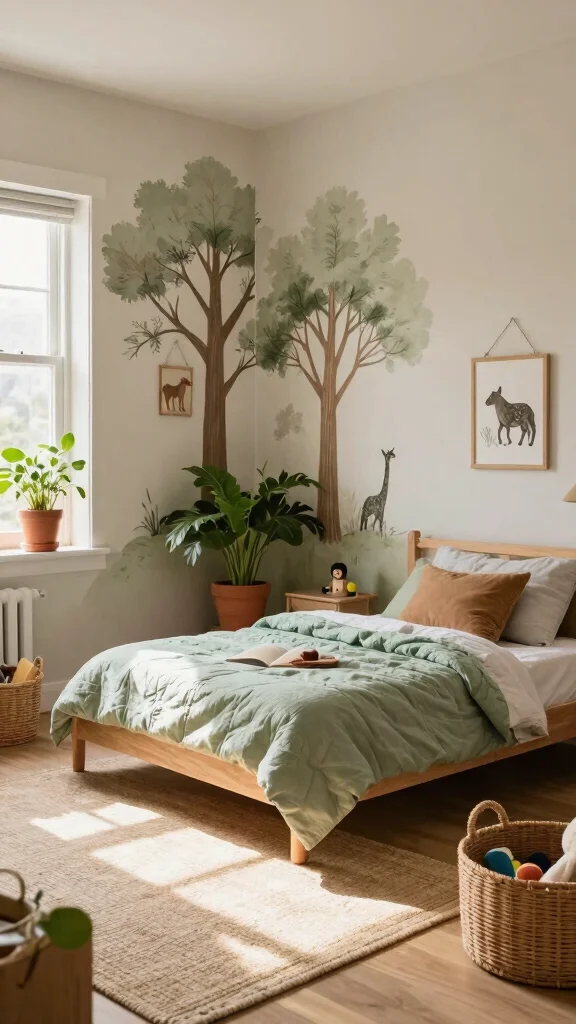
Creating a nature-inspired retreat in your child’s bedroom is a wonderful way to cultivate tranquility and connection to the outdoors. By incorporating soft earth tones and organic materials, you can establish a calming environment that promotes relaxation and creativity. Think about using gentle greens, warm browns, and subtle hints of sky blue to mirror nature, alongside wooden furniture and woven rugs for an inviting touch.
To bring this theme to life, consider using reclaimed wood for beds and dressers, paired with organic cotton bedding that features playful floral or animal prints. Wall decals of trees or clouds can further enhance the theme without overwhelming the space.
Consider these elements to maximize this palette’s potential:
– Pair soft green walls with rustic wooden furniture.
– Install organic cotton bedding with nature-inspired patterns.
– Use woven baskets for storing toys and books.
– Incorporate indoor plants for a fresh feel.
– Opt for natural fiber rugs to tie the room together.
This design not only promotes a sense of well-being but also enhances air quality, creating a healthy and nurturing space for your child to thrive.
2. Playful Color Blocks
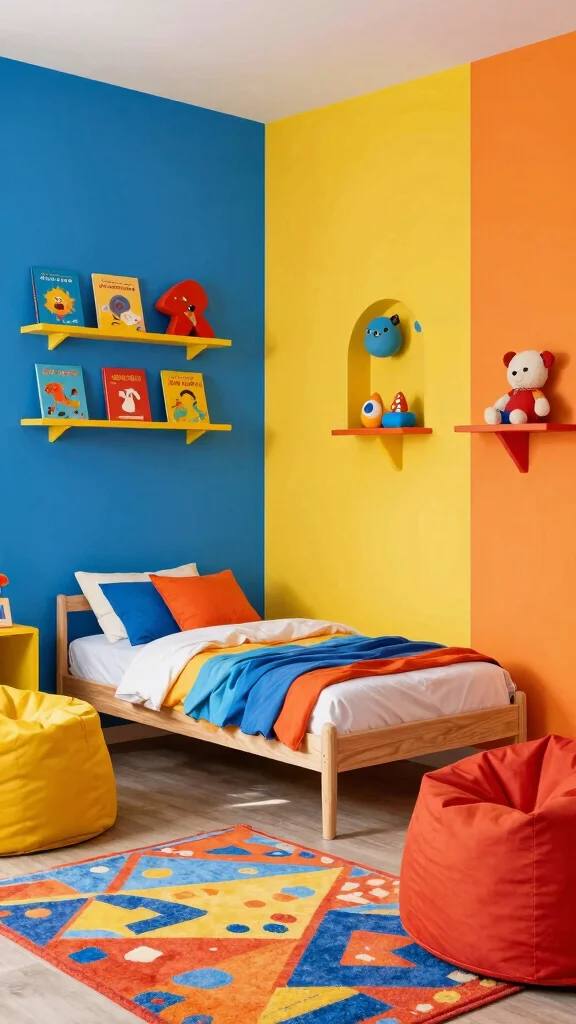
Infuse your child’s bedroom with energy through playful color blocking! This design approach celebrates bold hues and dynamic patterns that ignite creativity and joy. Select 2-3 vibrant colors that resonate with your child’s personality and paint sections of the walls accordingly, or use removable wallpaper with geometric designs for easy updates as they grow.
Balance the vibrant backdrop with minimalist furniture in neutral tones to create a harmonious look. Choose eco-friendly materials like bamboo or reclaimed wood for furniture pieces, ensuring a sustainable choice that lasts.
Explore these ideas to bring color blocking to life:
– Choose bright colors for distinct wall sections.
– Use removable wallpaper for versatile design changes.
– Select simple, neutral-toned furniture for balance.
– Add colorful rugs for warmth and comfort.
– Create DIY shelves in lively colors for playful storage.
This design will energize the entire room, making it a joyful space for your child to thrive and explore.
3. Eco-Conscious Furniture
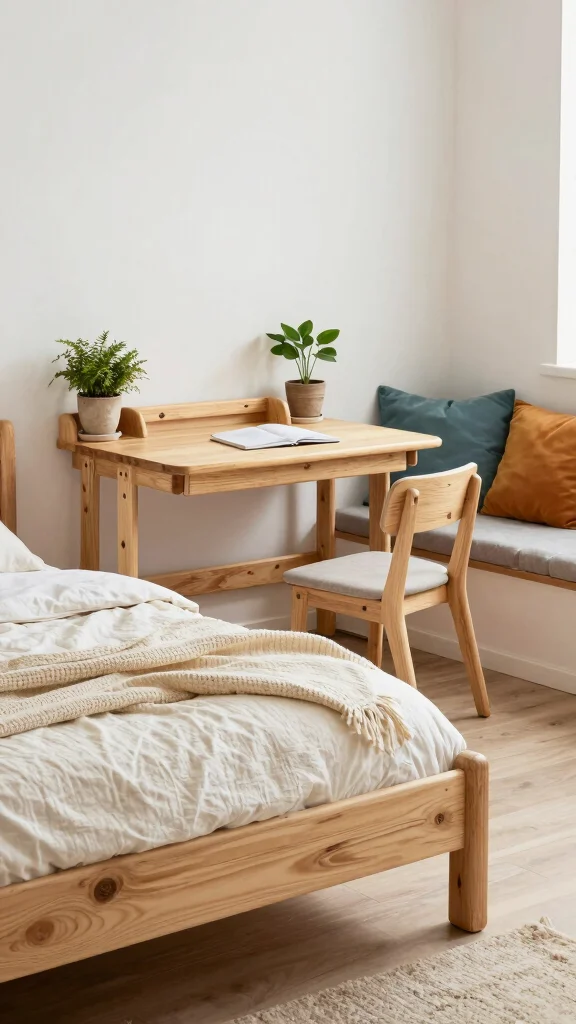
Incorporating eco-conscious furniture into your child’s bedroom can have a positive impact on both style and sustainability. Look for pieces crafted from sustainably sourced materials like reclaimed wood or bamboo, which not only reduce your carbon footprint but also add unique character to the space. These choices reflect a commitment to a healthier environment for your child.
Consider selecting multi-functional furniture that adapts as your child grows, such as beds that convert into lofted styles or desks with adjustable heights. This not only extends the life of the furniture but also fosters smart design choices.
Keep these tips in mind when choosing eco-friendly furniture:
– Seek furniture made from reclaimed or sustainably sourced materials.
– Opt for designs that serve multiple purposes.
– Incorporate soft organic textiles for cozy comfort.
– Ensure finishes are low in VOCs for health safety.
– Teach your children about sustainability through thoughtful choices.
Choosing eco-friendly furniture not only beautifies the space but also sets a fantastic example for your kids regarding responsible living.
4. Under-the-Bed Storage Solutions
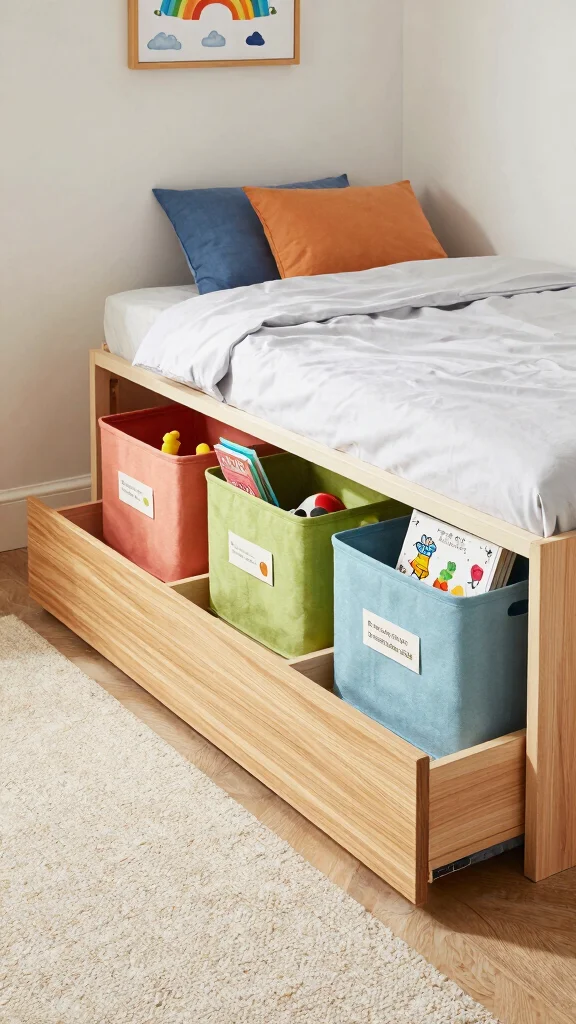
Maximizing space in a child’s bedroom is crucial, and under-the-bed storage offers a clever solution to keep the area organized. Use stylish storage boxes or drawers that slide effortlessly beneath the bed, perfect for stashing toys, clothes, or extra linens while maintaining an uncluttered look.
Select storage solutions made from eco-friendly materials like recycled plastic or fabric to align with a sustainable lifestyle. You can personalize the boxes with your child’s favorite colors or characters, making organization a fun activity.
Consider these strategies for effective under-the-bed storage:
– Invest in stylish storage boxes to minimize clutter.
– Choose eco-friendly materials for storage solutions.
– Personalize boxes with fun designs or colors.
– Consider built-in storage options for added functionality.
– Make cleanup enjoyable with organized storage solutions.
This approach not only enhances organization but also creates a tidy and inviting atmosphere in your child’s bedroom.
Did you know under-the-bed storage can reclaim up to 20% of a kid’s bedroom floor space, a win for eco-friendly kids bedroom interior design? Using eco-friendly storage boxes keeps toys organized and reduces clutter by 40%. Personalize the boxes with your child’s colors for a stylish, practical setup.
5. Personalized Wall Art
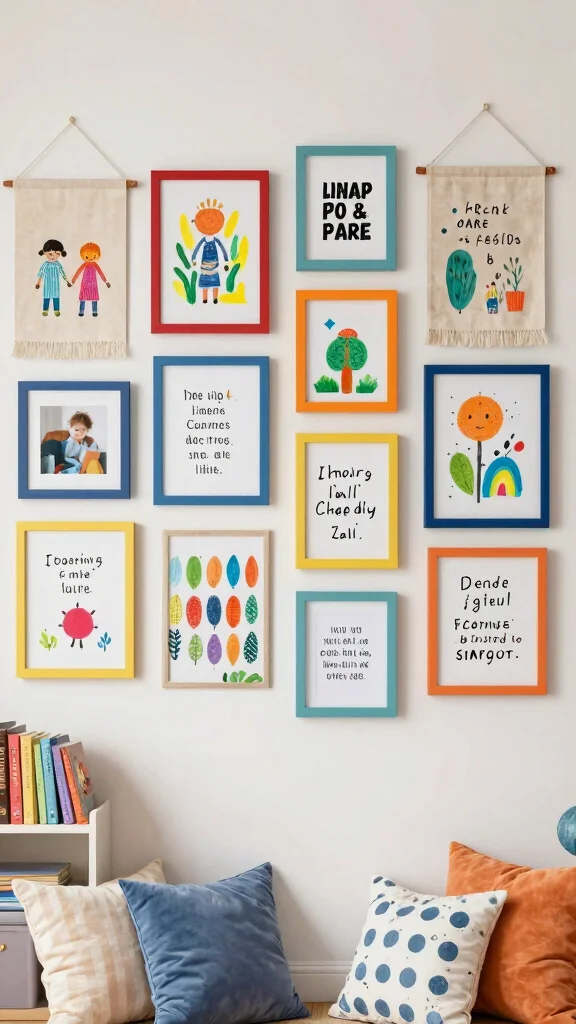
Wall art is a fantastic way to infuse personality into your child’s bedroom while celebrating their unique interests and creativity. Create a gallery wall featuring their artwork, photographs, or inspiring quotes, giving them a sense of ownership in their space and showcasing their artistic flair.
Opt for frames made from sustainable materials or get creative with DIY options to stay eco-friendly. Colorful canvas prints or playful wall decals can further enhance the room’s vibe, reflecting your child’s passions—be it animals, space, or their favorite characters.
Here are some ideas to personalize wall art:
– Create a gallery wall with kids’ artwork and photos.
– Use frames made from sustainable materials.
– Incorporate colorful canvas prints or fun decals.
– Choose themes based on your child’s interests.
– Use fabric wall hangings for added texture.
This approach adds character and warmth, making the room a true reflection of your child’s personality.
Key Trade-offs & Our Top Pick
Option 1: Nature-Inspired Decor
– Pros:
– Promotes a calming atmosphere with natural elements.
– Encourages creativity and outdoor play themes.
– Cons:
– Can be costly if using authentic materials.
– Requires regular maintenance to keep natural items in good condition.
– Best for: Parents wanting a serene space that encourages imagination and creativity in their kids.
Option 2: Playful Color Blocks
– Pros:
– Bright colors stimulate energy and creativity.
– Easy to change out as kids grow.
– Cons:
– Can become visually overwhelming if not balanced well.
– May clash with other decor themes in the house.
– Best for: Families who want a lively and dynamic atmosphere that evolves with their child’s preferences.
Option 3: Eco-Conscious Furniture
– Pros:
– Made from sustainable materials, leading to a lower carbon footprint.
– Often has a unique, handcrafted appearance.
– Cons:
– Typically pricier than conventional furniture.
– Limited availability in some areas may require online shopping.
– Best for: Eco-friendly families who prioritize sustainability and are willing to invest more upfront.
Option 4: Under-the-Bed Storage Solutions
– Pros:
– Maximizes space in smaller rooms.
– Helps keep the room organized and clutter-free.
– Cons:
– May require specific bed types that accommodate storage.
– Can be harder for kids to access independently.
– Best for: Parents of younger children needing to maintain order in a limited space.
Option 5: Personalized Wall Art
– Pros:
– Makes the space feel unique and special for the child.
– Encourages children’s self-expression and creativity.
– Cons:
– Potentially costly if commissioning artwork.
– May become outdated as children grow and their interests change.
– Best for: Families wanting to create a deeply personal environment that resonates with their child’s identity.
Best Overall: Eco-Conscious Furniture
This option stands out as the best choice for most families. Eco-conscious furniture combines style and sustainability; it offers a responsible way to furnish your child’s space, making it both functional and environmentally friendly. You get value for money with durable designs that last as your child grows. Plus, the variety of styles available means you can find something versatile for any decor theme.
Why We Picked This:
While eco-conscious furniture might cost more initially, it pays off in the long run through durability and style. For those on a tighter budget or who prefer bold aesthetics, playful color blocks or nature-inspired decor might be more appealing. If space is an issue, under-the-bed storage could be a lifesaver. Each option has its strengths and weaknesses, making the best choice very personal to your family’s needs.
6. Themed Bedding Sets
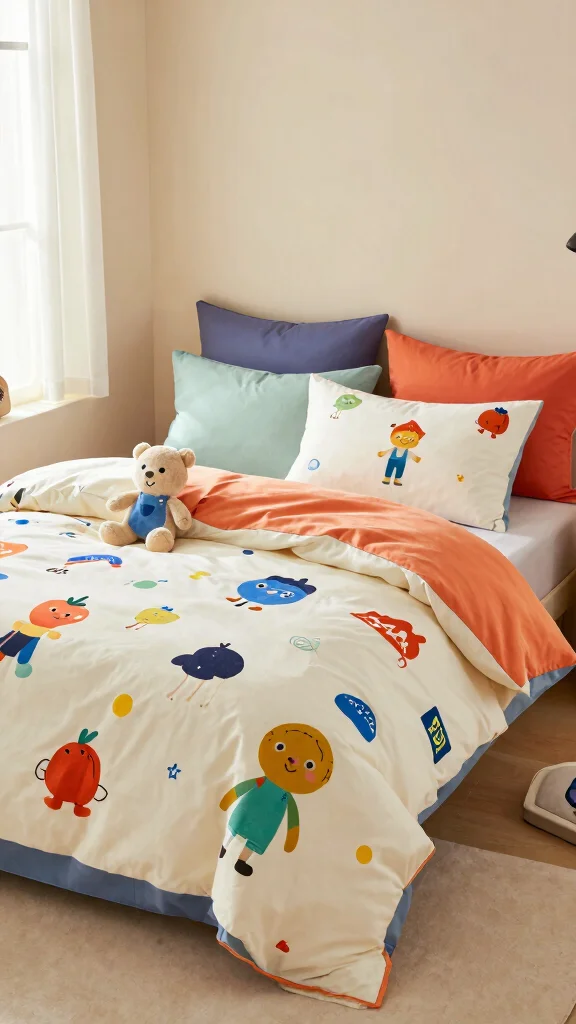
Bedding sets can dramatically influence the ambiance of a room, and themed options provide a playful way to reflect your child’s personality. Choose organic cotton or bamboo sheets that feature their favorite characters, animals, or patterns, ensuring comfort while making eco-friendly choices.
Complement the bedding with coordinating throw pillows and blankets to create a unified look. Change the themes with the seasons or as your child’s interests evolve to keep the room feeling fresh and exciting.
Here’s how to style themed bedding effectively:
– Use organic cotton or bamboo for bedding.
– Select themes based on your child’s favorites.
– Rotate bedding with the seasons for variety.
– Pair with solid-colored furniture for balance.
– Add matching plush toys for extra fun.
This playful design not only enhances the room’s aesthetics but also makes bedtime a delightful experience.
You might also like
7. Adventure Zones
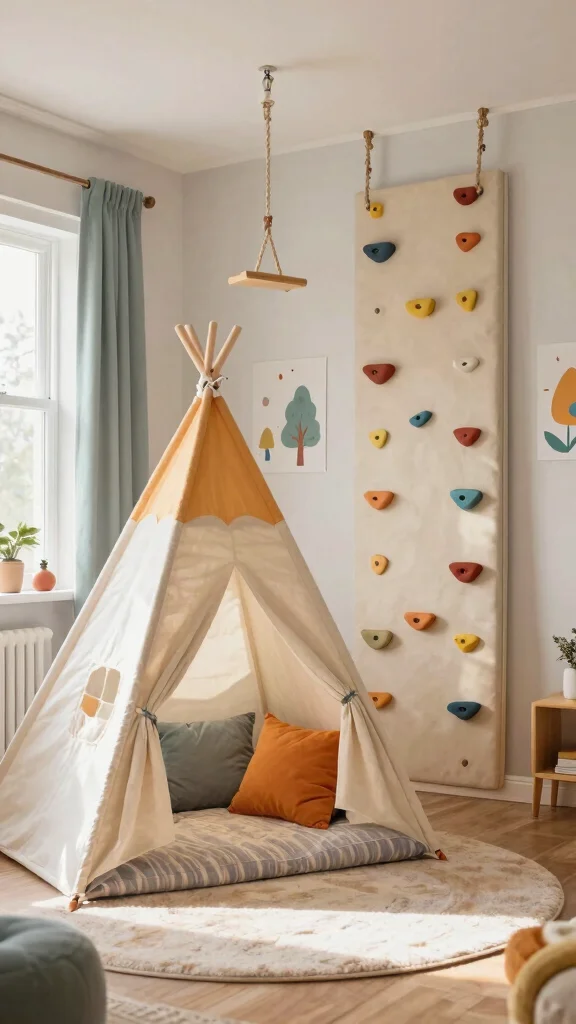
Creating an adventure zone in your child’s bedroom can ignite their imagination and encourage creative play. Designate a corner for a play tent, a mini climbing wall, or a cozy reading nook that feels like a hidden retreat. Use sustainable materials to ensure safety while adding fun elements to the space.
An organic cotton play tent can serve as a versatile area for reading, playing, or napping. Add colorful cushions or a soft rug to make it inviting and comfortable. You might also include padded climbing holds for a small climbing wall, promoting both physical activity and exploration.
Try these ideas to create an adventure zone:
– Designate a corner with a play tent or climbing wall.
– Use sustainable materials for safety and comfort.
– Add colorful cushions or rugs for coziness.
– Consider swings or hammock chairs for extra fun.
– Update the adventure zone as your child grows.
This playful design encourages imaginative exploration and can evolve with your child’s interests.
Adventure zones spark real imagination in kids’ rooms. In our kids bedroom interior design, set up a cozy reading nook, a tent, or a mini climbing wall using sustainable materials—safety and creativity go hand in hand.
8. Cozy Reading Nooks
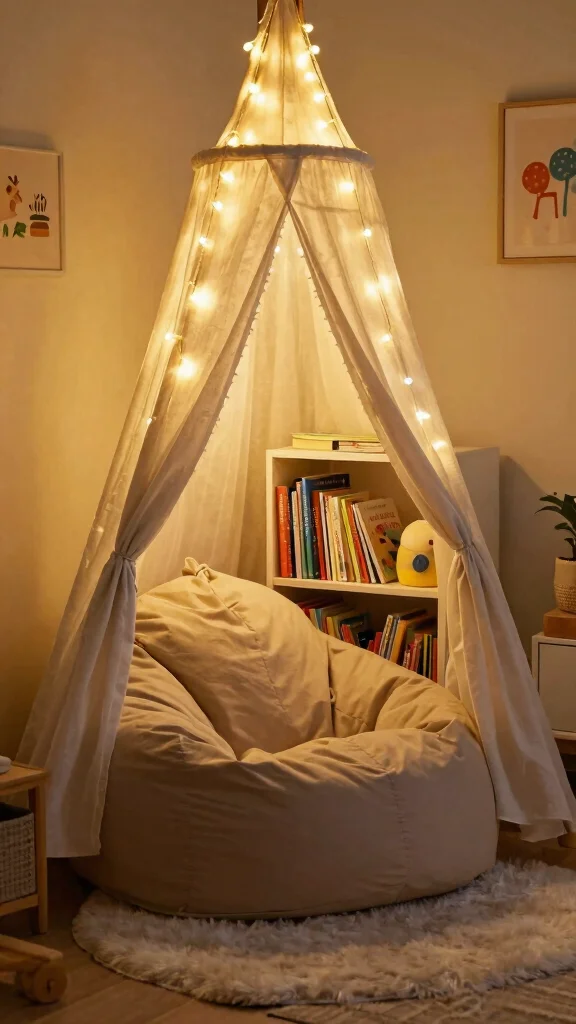
Designing a cozy reading nook can nurture a love for books while providing a peaceful retreat for your child. Position a comfy chair or plush bean bag in a quiet corner, paired with a small bookshelf filled with their favorite stories. Warm lighting, like fairy lights or a soft lamp, can create an inviting atmosphere that encourages reading.
For added charm, consider draping a tent-like canopy overhead, creating a special enclosed space. Use eco-friendly fabrics for cushions and blankets to ensure comfort and sustainability.
Here are some tips for creating a cozy reading nook:
– Create a corner with a comfortable chair or bean bag.
– Include a small bookshelf filled with favorite books.
– Use warm, inviting lighting for ambiance.
– Consider a canopy for an enclosed, special feel.
– Personalize the nook with decorative touches.
This dedicated area fosters imagination and a lifelong love of reading, making it a cherished spot in your child’s room.
Fun fact: kids who have a cozy reading nook read 30% more books each month. A comfy chair, warm fairy lights, and eco-friendly fabrics make your kids bedroom interior design feel like a mini library, inviting quiet, focused reading every day.
9. Eco-Friendly Wall Paint
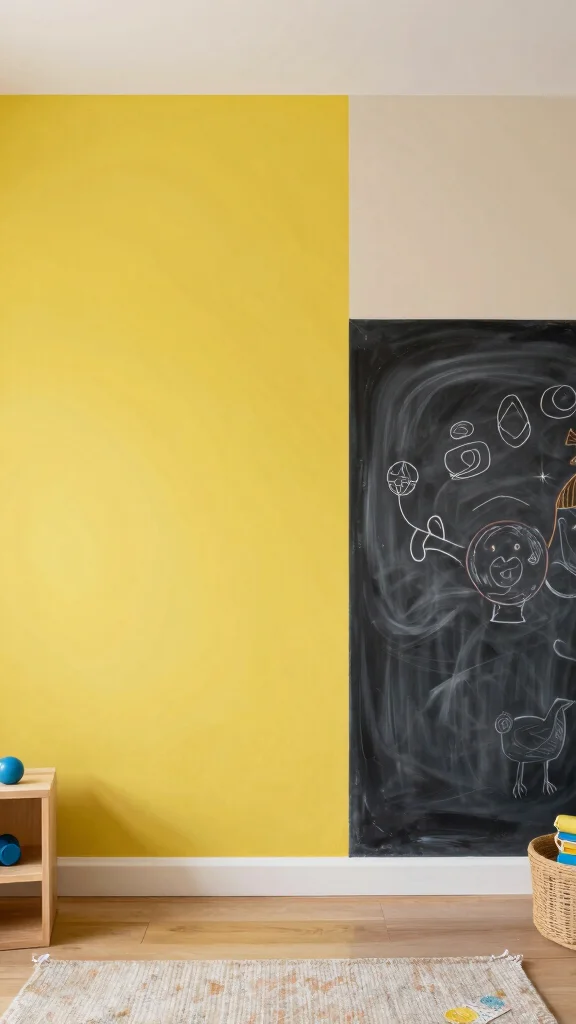
Selecting the right paint for your child’s bedroom goes beyond aesthetics; it plays a critical role in health and environmental impact. Opt for eco-friendly paints that are low in VOCs, ensuring a safer indoor air quality. These paints come in a wide variety of colors, allowing for a vibrant yet safe environment.
Consider painting a feature wall in a fun pattern or bright color, while keeping the other walls in soft neutrals for balance. This creates a visual focal point without overwhelming the senses.
Explore these ideas for eco-friendly wall paint:
– Choose low-VOC paints for safety and health.
– Create a feature wall with a fun design.
– Balance bright colors with softer neutrals.
– Involve your child in selecting colors.
– Consider chalkboard paint for interactive creativity.
This thoughtful approach not only enhances your design but also promotes a healthy living environment for your child.
10. Nature-Inspired Textiles
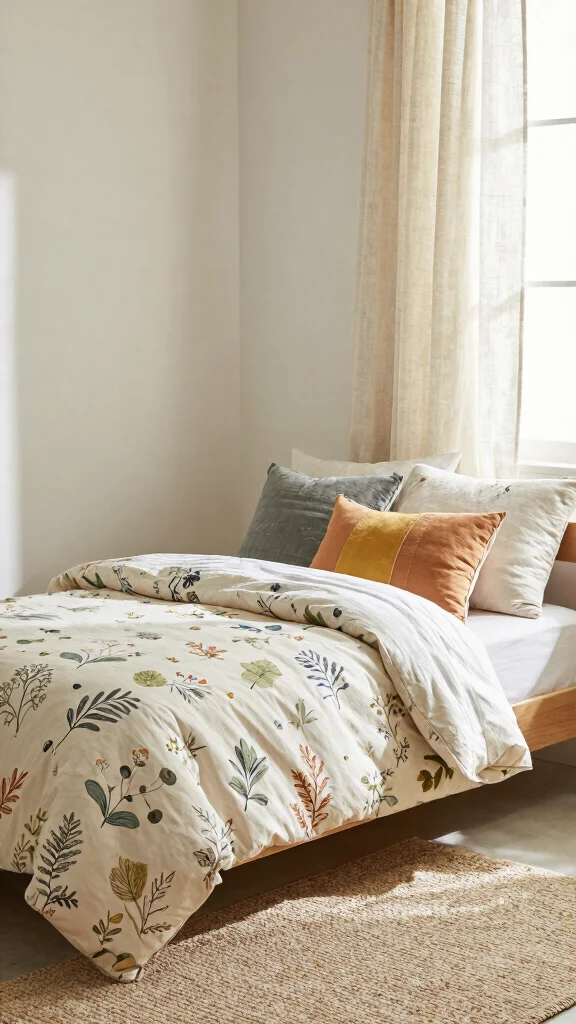
Textiles bring warmth and comfort to any space, and selecting nature-inspired options can deepen your child’s connection to the outdoors. Look for organic cotton or linen for curtains, bedding, and throw pillows that feature botanical prints, animal designs, or natural motifs.
Using nature-themed textiles not only promotes an eco-friendly ethos but also creates a soothing atmosphere. Consider layering different fabric textures, such as a soft quilt over a textured blanket or a plush rug beneath a wooden bed.
Here are some ideas to enhance your space with nature-inspired textiles:
– Choose organic cotton or linen for textiles.
– Incorporate nature-themed prints and colors.
– Layer different fabric textures for warmth.
– Use recycled materials for playful cushion designs.
– Create a calming atmosphere with nature-inspired textiles.
This thoughtful selection of textiles ties the room together while ensuring comfort and sustainability.
11. Interactive Elements
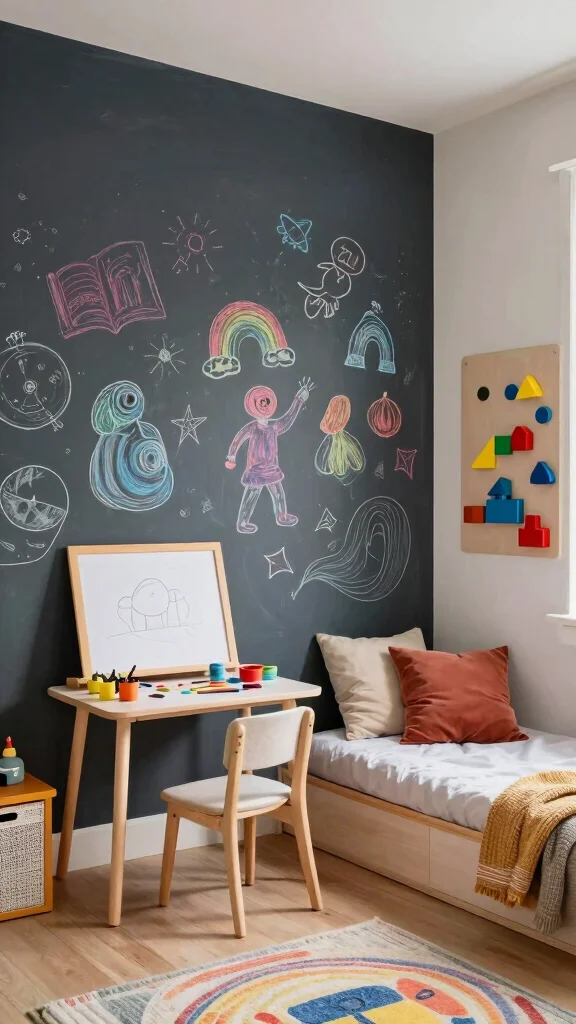
Incorporating interactive elements into a child’s bedroom can foster creativity and engagement. Think about adding a chalkboard wall or a magnetic board for displaying their artwork. These features not only make the room exciting but also encourage children to express their ideas and creativity freely.
Set up a DIY art station stocked with supplies, using recycled materials for storage to keep it organized and sustainable. Consider including foldable easels that can be easily stored away to maintain flexibility in the space.
Explore these interactive ideas:
– Add chalkboard or magnetic walls for creativity.
– Create a DIY art station with recycled storage.
– Use foldable easels for versatility.
– Design a puzzle wall for play and learning.
– Inspire creativity through interactive elements.
This engaging approach enhances imaginative play and provides opportunities for children to express themselves.
You Might Also Like
12. Multifunctional Spaces
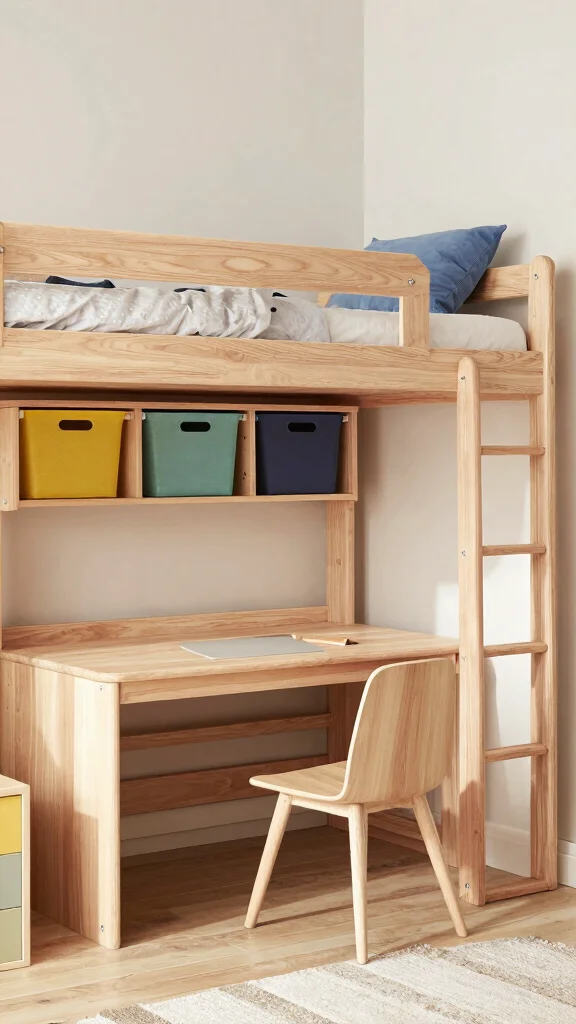
Designing multifunctional spaces in a child’s bedroom is a clever way to maximize utility, especially in smaller areas. Consider incorporating a bed that doubles as a sofa or a desk that can fold away when not in use. This flexibility allows the room to adapt to various activities throughout the day.
Utilizing sustainable materials for multifunctional furniture adds an eco-friendly touch while ensuring durability. For example, a lofted bed can provide space underneath for a study area or play zone, creating a more open feel in the room.
Here are some ideas for multifunctional spaces:
– Use multifunctional furniture to maximize space.
– Consider lofted beds with study or play areas beneath.
– Incorporate built-in storage for organization.
– Plan the layout for versatile activities.
– Create a room that adapts to various needs.
This strategic design approach transforms the bedroom into an adaptable space that accommodates your child’s changing needs.
13. Outdoor-Inspired Decor
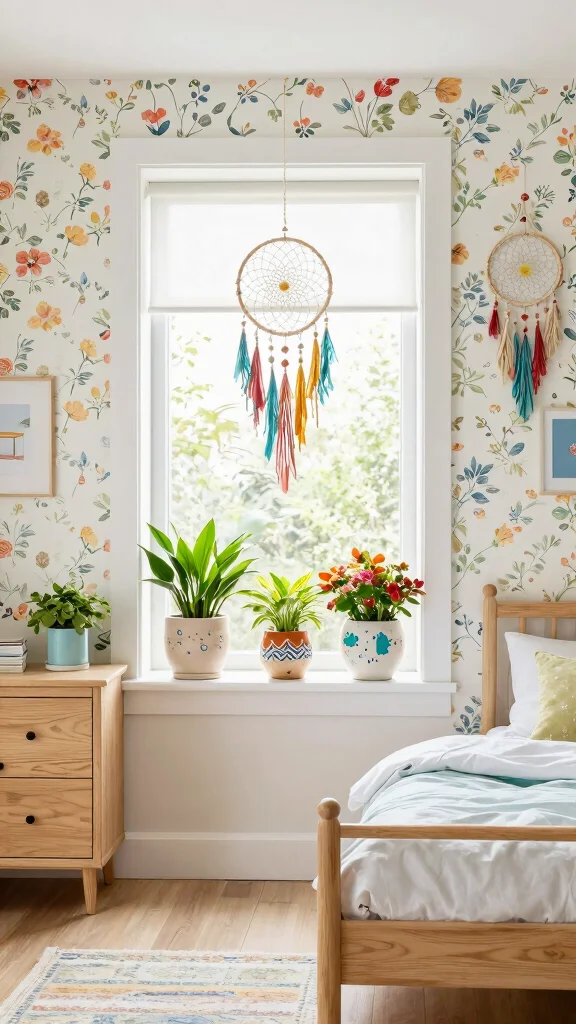
Infusing your child’s bedroom with outdoor-inspired decor creates a refreshing and vibrant atmosphere. Incorporate elements that reflect nature, such as floral prints, animal motifs, or landscape imagery. Choose eco-friendly wallpapers that showcase these themes, instantly adding character and charm to the space.
Accent the room with décor made from natural materials like wooden toys, rattan furniture, or ceramic planters. Hanging dreamcatchers or mobiles inspired by nature can add texture and whimsy to the room.
Consider these ideas to embrace outdoor-inspired decor:
– Use decor elements that reflect nature for liveliness.
– Incorporate floral prints and animal motifs.
– Choose eco-friendly wallpapers with nature themes.
– Add accents made from natural materials.
– Include plants for freshness and improved air quality.
This design approach inspires a love for the outdoors and encourages children to appreciate nature’s beauty in their everyday lives.
14. Cozy Textured Layers
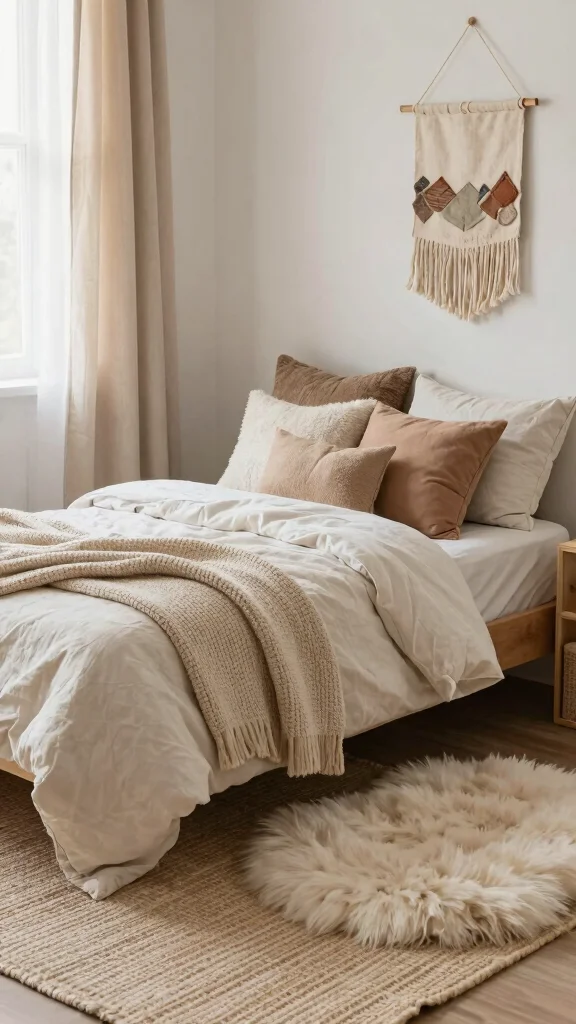
Layering various textures can enhance the warmth and depth of your child’s bedroom. Start with an organic cotton or wool mattress cover, then choose textured blankets made from materials like knit or flannel that invite snuggling. Throw pillows in assorted shapes and sizes add a playful touch while enhancing comfort.
Incorporate rugs with different textures—such as a plush area rug combined with a flat-weave rug underneath—to create a cozy environment. A mix of fabric types can make the space feel inviting and visually engaging.
Here are some ideas for layering textures:
– Layer textures with blankets, pillows, and rugs.
– Use various natural materials for comfort.
– Create a cozy atmosphere with soft textiles.
– Explore different fabric types for visual interest.
– Encourage appreciation for design through layering.
This thoughtful approach not only enhances comfort but also introduces children to the beauty of contrasting fabrics and materials, sparking their interest in design.
Conclusion
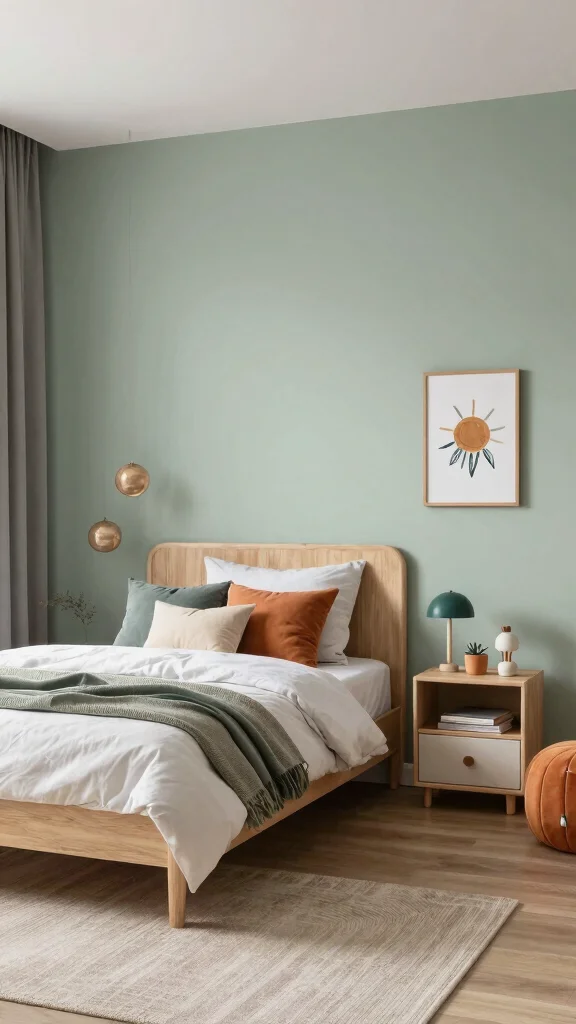
Designing a kid’s bedroom with style doesn’t have to compromise on eco-friendliness. By embracing creativity, sustainability, and personalization, you can create a space that reflects your child’s personality and nurtures their imagination. From playful themes to practical storage solutions, each element can enhance the room’s function while showcasing your commitment to the planet.
Encourage your child to be involved in the design process—this not only makes it more special but also teaches them valuable lessons about sustainability and self-expression. With these ideas, the possibilities are endless, allowing their unique spaces to evolve as they do.
Frequently Asked Questions
Question: What makes for great kids bedroom interior design that is eco-friendly?
When you design with eco-friendly materials, you create a space that’s safe for kids and the planet. Start with a soft, growing palette and eco-friendly materials like low-VOC paints and FSC-certified wood. Choose furniture for kids’ spaces that can be adjusted or repurposed as they grow. Use washable organic fabrics on bedding and window treatments, and opt for LED lighting to save energy. For decor, lean into natural textures and avoid PVC-heavy plastics to support children’s room decor that’s gentle on skin and air quality. Finally, plan storage early with storage solutions for kids to keep the room calm and clutter-free.
Question: How can I create playful bedroom themes using sustainable materials?
Designing playful bedroom themes using sustainable materials means layering a story with safe, durable pieces. Start with a theme your child loves (space, jungle, oceans), then pick furniture and decor made from renewable or recycled sources. Use colorful wall art printed with non-toxic inks, removable wall decals, and fabrics from organic cotton. Choose toys and decor that last, like wood or fabric items instead of single-use plastics. Keep surfaces easy to clean, and select furniture for kids’ spaces that can adapt as their interests change. With a little planning, your children’s room decor can stay fresh for years.
Question: What storage solutions for kids help keep a small room organized without sacrificing style?
Storage solutions for kids help keep a small room organized without sacrificing style. Start with vertical storage: wall-mounted shelves, cubbies, and hooks free up floor space. Use clear or labeled bins and baskets so kids can find and return items easily. Opt for modular furniture that can grow, like a chest that doubles as a seat or a bed with built-in drawers. Choose a cohesive color story so storage bins feel intentional, not cluttered. Label bins with simple words or icons to boost independence. With smart organization, storage solutions for kids can become part of your room’s design.
Question: How do I choose eco-friendly furniture for kids’ spaces that grows with them?
Look for adjustable, modular pieces built to last; invest in timeless design rather than fast fashion. Check for FSC-certified wood, non-toxic finishes, and water-based paints. Choose furniture for kids’ spaces that can be reconfigured as your child grows (convertible desks, modular desks, and wardrobes). Prioritize multi-use items like a dresser that doubles as a changing station or a seating bench with storage. Verify weight limits and warranty, and support brands with transparent sustainability policies. This keeps your kids bedroom interior design cohesive and future-friendly.
Question: How can I incorporate colorful wall art safely and sustainably in a kids’ room?
Choose wall art printed with low-VOC inks or natural pigments, and look for canvases or frames made from sustainable materials. Use removable wall art like decals or temporary wallpaper to switch themes as kids grow. For a hands-on approach, create DIY art with recycled materials and washable paints. Keep colors balanced with the room’s palette to support a calm space, and always ensure adhesives are low-toxicity. By focusing on colorful wall art that is easy to update, you can refresh the look without harming the Earth or your child’s air quality.
Related Topics
kids bedroom interior design
eco-friendly decor
colorful wall art
playful themes
storage solutions
furniture for kids
sustainable design
budget friendly
DIY kids decor
creative spaces
modern children's rooms
functional design
Leave a Reply