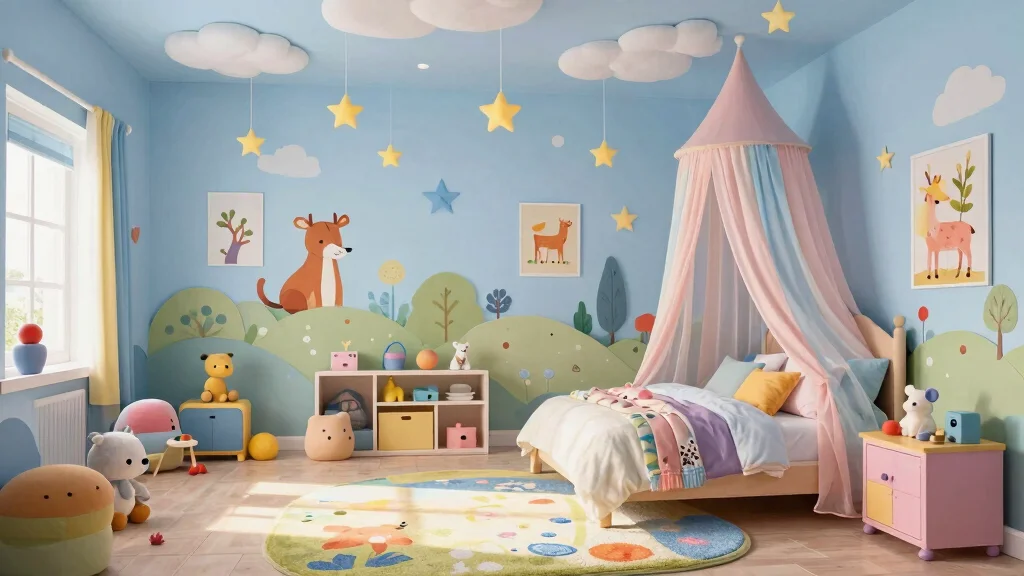
Creating a whimsical bedroom for your child is more than just a decorating project; it’s about crafting a space that nurtures their imagination and brings joy to their daily life. This post was inspired by the desire to infuse playful charm into children’s rooms, especially for those with special needs. Many kids thrive in environments that reflect their unique personalities and interests. By embracing whimsical bedroom ideas, you can create a joyful sanctuary that encourages creativity, comfort, and a sense of belonging.
If you are a parent or caregiver looking to enhance your child’s living space, you’re in the right place. You want a room that isn’t just visually appealing but also functional and supportive of your child’s specific needs. Whether it’s through sensory-friendly decor or imaginative wall art, this guide is tailored for you. You’ll find a treasure trove of ideas that range from cozy reading corners to magical fairy lights, all designed to spark happiness and creativity in your child’s everyday life.
Get ready to dive into 18 stunning whimsical bedroom ideas that promise to transform your child’s space into a wonderland. These tips are not only colorful and playful but also practical, ensuring that every detail contributes to a nurturing environment. Let’s bring that spark of joy into your child’s life!
Key Takeaways
– Explore fairy tale canopy beds to create a dreamy sleeping area that inspires adventure and imagination.
– Use colorful wall murals to add vibrancy and personality to the room, making it a fun place for your child to express themselves.
– Incorporate playful furniture that is both functional and fun, ensuring your child has a space that suits their needs and interests.
– Consider sensory-friendly decor to create a calming environment that supports children with special needs, helping them feel secure and relaxed.
– Add imaginative wall art and magical fairy lights to enhance the overall atmosphere, making the room a haven for creativity and joy.
1. Fairy Tale Canopy Beds
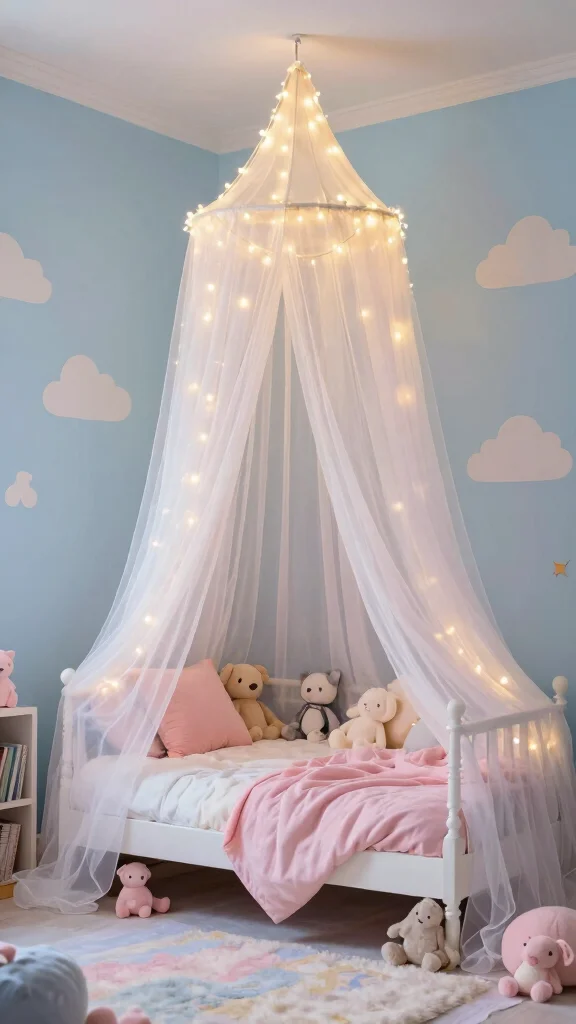
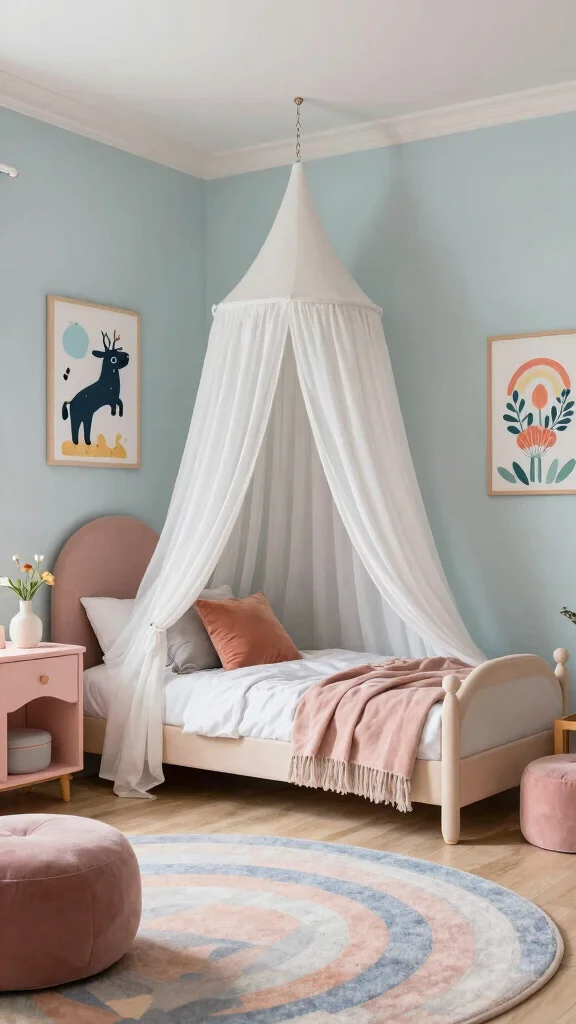
Imagine a child’s bed enveloped in soft, flowing fabrics, instantly transforming the room into a fairy tale retreat.
Canopy beds create an enchanting atmosphere, making them a perfect choice for sparking imagination and whimsy. Using lightweight fabrics like tulle in soft pastels can evoke a dreamy feel, while the addition of wooden elements offers warmth and texture. This combination not only beautifies the space but also carves out a cozy nook for reading or playtime adventures.
Consider these ideas to maximize the magic of canopy beds:
– Pair sheer tulle drapes with a sturdy wooden frame.
– Install cozy cushions beneath the canopy for a reading spot.
– Use fairy lights along the edges to add sparkle at night.
– Incorporate a playful color palette that aligns with your child’s personality.
This enchanting setting promotes a sense of wonder, while tactile fabrics enhance the overall decor, making the room a delightful haven.
Key Trade-offs & Our Top Pick
When designing a whimsical bedroom for kids, especially those with special needs, it’s crucial to weigh your options carefully. Different styles and elements can create unique atmospheres and cater to various needs. Here’s a comparison of a few popular options:
Option 1: Fairy Tale Canopy Beds
– Pros:
– Creates a magical atmosphere that sparks imagination.
– Provides a cozy and private space for kids to relax.
– Available in various colors and designs to suit any theme.
– Cons:
– Can be expensive, depending on materials and designs.
– May require more maintenance, especially fabric canopies.
– Might not be suitable for very active sleepers who move a lot at night.
– Best for: Kids who love stories and need a comforting space to retreat.
Option 2: Sensory-Friendly Decor
– Pros:
– Designed to reduce anxiety and create a calming environment.
– Incorporates soft textures and soothing colors that appeal to touch and sight.
– Can significantly improve comfort for children with sensory sensitivities.
– Cons:
– May limit the use of bold colors or stimulating patterns.
– Some items, like weighted blankets, can be costly.
– Might require specialized knowledge to set up effectively.
– Best for: Children with sensory processing issues who need a tranquil space.
Option 3: Interactive Play Zones
– Pros:
– Encourages creativity and play, making the bedroom more than just a sleeping space.
– Can include climbing walls or art corners that promote physical activity.
– Easily customizable to fit the child’s interests and hobbies.
– Cons:
– Takes up significant space, which may not be suitable for smaller rooms.
– Can be more challenging to maintain and keep organized.
– May require adult supervision during active play.
– Best for: Energetic kids who thrive in dynamic environments and enjoy play.
Option 4: Fun Wall Decals
– Pros:
– Easy to apply and remove without damaging walls.
– Available in countless designs, allowing for personal expression.
– Budget-friendly option to refresh the room’s look regularly.
– Cons:
– May not adhere well to all wall surfaces.
– Some decals can peel over time, especially in humid environments.
– Limited durability compared to painted murals or wallpaper.
– Best for: Parents looking for an easy way to change the decor without a big commitment.
Expert Recommendation:
Best Overall: Sensory-Friendly Decor
This option stands out as the best choice for most families. It combines comfort and functionality, ensuring a soothing environment for children, especially those with special needs. The fabrics and designs promote relaxation while being versatile enough to adapt as a child grows. Investing in sensory-friendly decor can yield long-term benefits, creating a peaceful haven that kids can enjoy for years.
Why We Picked This:
While sensory-friendly decor is our top pick, families might prefer colorful wall murals for a vibrant look or canopy beds for a dreamy atmosphere. Each option plays a unique role in crafting a whimsical bedroom, so consider your child’s personality and needs. Balancing aesthetics with functionality will lead to a joyful and inspiring space.
2. Colorful Wall Murals
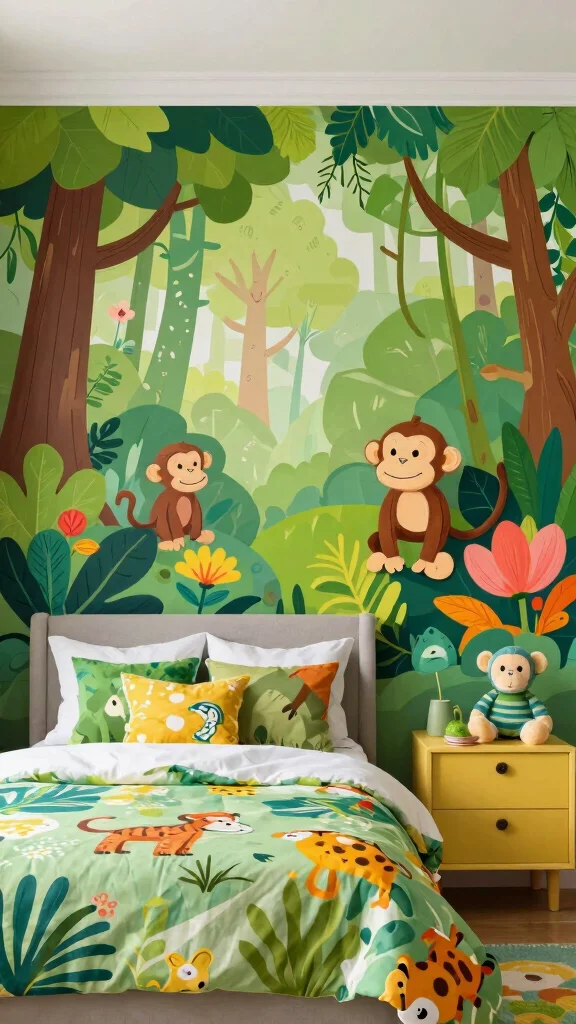
Wall murals can transform a child’s bedroom into a vibrant canvas of imagination and adventure.
These immersive scenes, whether depicting underwater worlds or outer space, ignite creativity and make the room truly unique. Choose a design that resonates with your child’s interests to create a space that feels personal and inviting.
Here are some tips for incorporating murals effectively:
– Explore themes like enchanted forests or cosmic galaxies.
– DIY for a personal touch, or hire a pro for a flawless finish.
– Integrate chalkboard paint sections for extra fun and creativity.
– Be mindful of your child’s sensitivities to colors; softer hues can create a calming effect.
This artistic touch not only captivates but also encourages imaginative play, making the room a wonderland of possibilities.
3. Playful Furniture
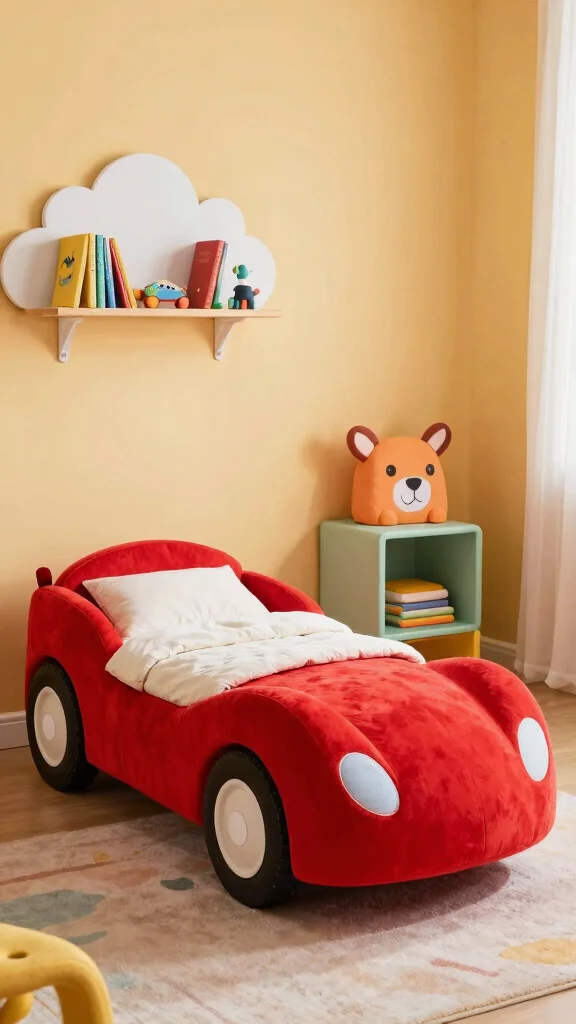
Select furniture that brings joy and functionality to your child’s room, creating a colorful and inviting space.
From beds that resemble cars to storage solutions shaped like animals, playful furniture can spark creativity while meeting everyday needs. Choosing items that encourage imaginative play can significantly enhance the room’s atmosphere.
Try these ideas to introduce fun furniture:
– Choose beds with built-in storage for toys and clothes.
– Incorporate desks that can transform into play areas.
– Opt for durable materials that withstand wear and tear.
– Involve your child in selecting colors and styles to foster personal connection.
The right pieces not only add charm but also create an environment that inspires creativity and joy.
4. Sensory-Friendly Decor
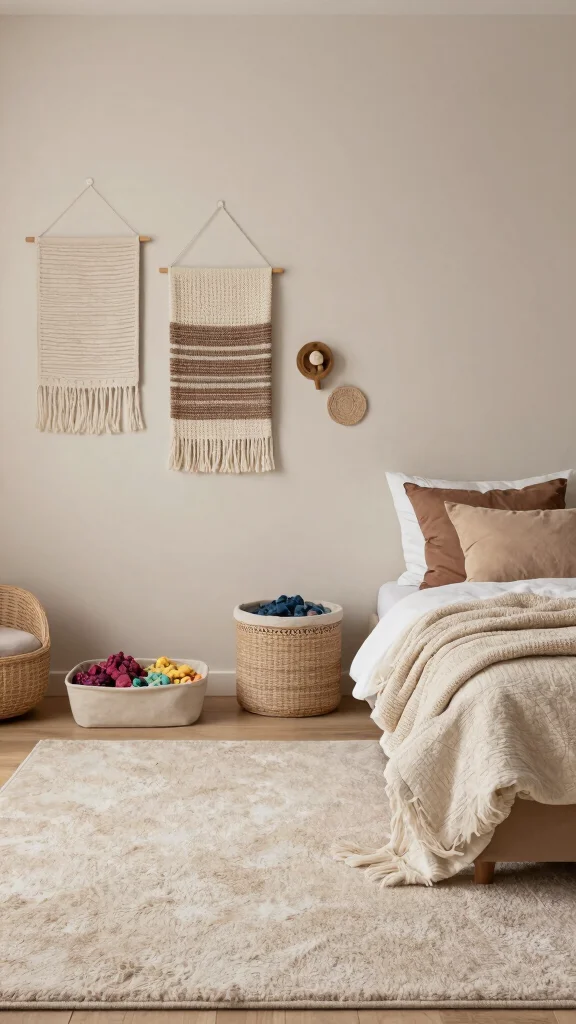
Designing a sensory-friendly room is crucial for children with unique needs, providing them with a safe and calming environment.
By incorporating soft textures, soothing colors, and safe materials, you can create a sanctuary where they can relax and thrive. This thoughtful approach enhances comfort and promotes well-being.
Consider these elements for a sensory-friendly space:
– Include plush rugs and soft blankets for tactile comfort.
– Use muted pastels or earthy tones for a calming atmosphere.
– Select soft, adjustable lighting to control brightness.
– Create sensory play areas by including bins with textures like sand or water beads.
Personalization is key, ensuring that the decor reflects your child’s preferences while fostering a sense of security.
Creating a calm, sensory-friendly space isn’t a luxury—it’s a practical tool for kids who process textures and colors uniquely. Start with plush rugs, soft blankets, and muted pastels, then watch whimsical bedroom ideas kids become a sanctuary your child loves.
5. Magical Fairy Lights
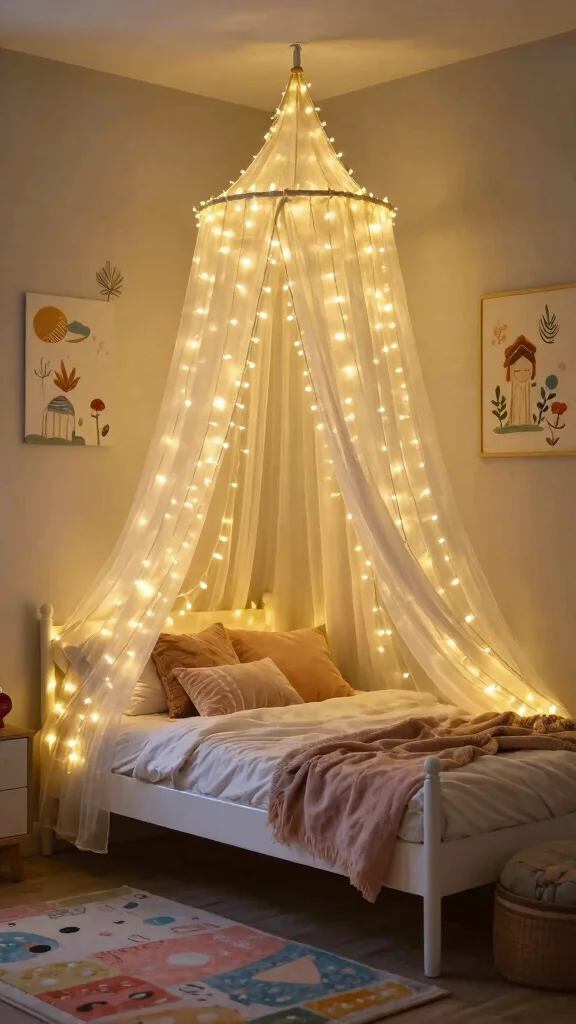
Fairy lights can bring a whimsical sparkle to any children’s room while providing a soft, comforting glow.
These enchanting lights can be draped over canopies, wrapped around bookshelves, or hung near windows to create a cozy atmosphere. Their versatility allows for creativity in placement and design.
Here are some ways to use fairy lights:
– Choose warm white lights for a cozy ambiance or colorful options for vibrancy.
– Use battery-operated lights for flexible placement without the need for outlets.
– Experiment with layouts, forming shapes for extra whimsy.
– Ensure lights are rated for indoor use and remain cool to the touch.
This charming addition enhances the room’s magic, creating a comforting space that invites relaxation and wonder.
6. Interactive Play Zones
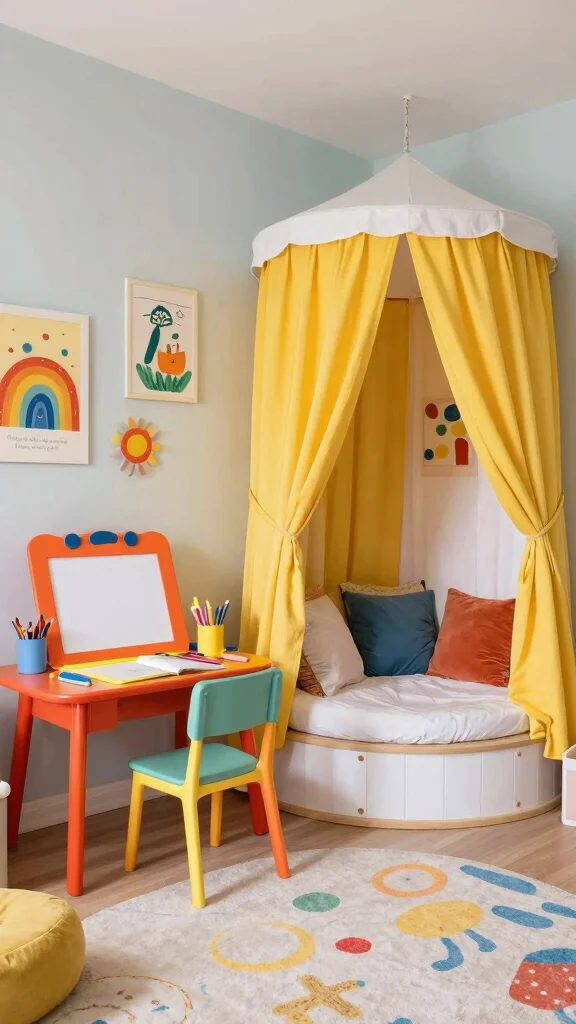
Creating a dedicated play zone within the bedroom encourages creativity and exploration.
These areas can include an art station, a cozy reading nook, or a mini stage for performances, allowing children to engage with their interests in a fun way. Such designated spaces can foster independence and playfulness.
Try these ideas to set up interactive zones:
– Set up a small table for arts and crafts with easy-to-clean supplies.
– Create a reading corner with cushions and shelves filled with books.
– Design a mini stage with curtains for storytelling and role-play.
– Ensure the area is flexible to adapt as your child’s interests evolve.
This thoughtful approach not only cultivates creativity but also makes the room a dynamic space for growth and fun.
7. Fun Wall Decals
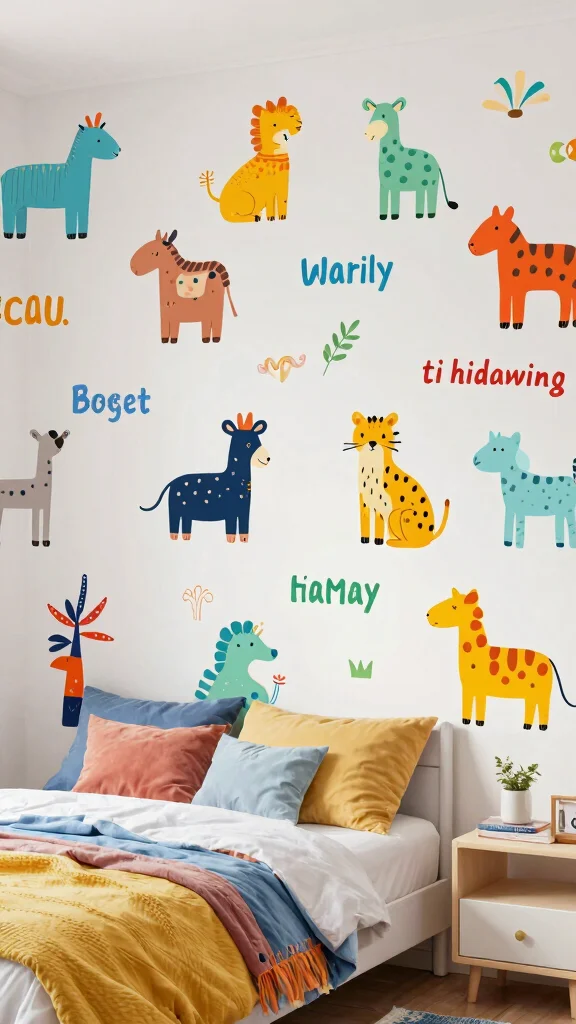
Wall decals offer a playful way to add character to a child’s room without the commitment of paint.
These removable stickers come in various designs, from playful animals to inspiring quotes, making it easy to refresh the room’s look as kids grow. They allow for personal expression and creativity.
Consider these tips for using wall decals:
– Choose themes that reflect your child’s favorite hobbies or characters.
– Mix and match decals at different heights for a dynamic look.
– Ensure they are made from non-toxic materials for safety.
– Opt for repositionable designs for easy updates.
This flexible decor option allows for easy customization, ensuring the room evolves as your child’s tastes change.
8. Nature-Inspired Themes
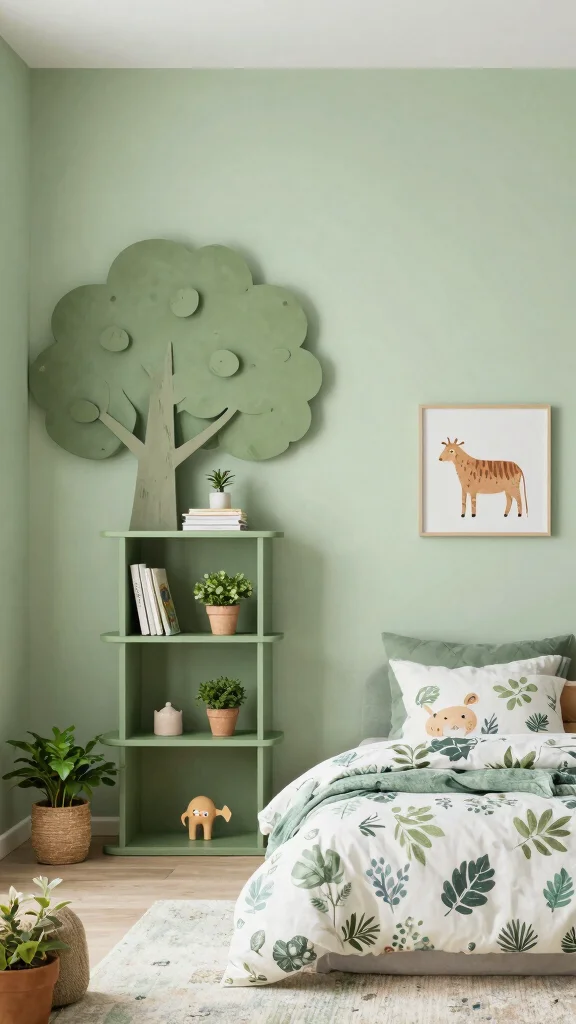
Nature-inspired decor can transform a child’s bedroom into a serene retreat that sparks imagination.
Incorporating elements like trees, animals, and landscapes creates a calming environment that encourages exploration and creativity. This theme connects children to the beauty of the outdoors in a cozy setting.
Here are some ways to embrace a nature theme:
– Use greens, blues, and earthy tones to reflect natural landscapes.
– Integrate natural materials like wood and cotton for furniture and decor.
– Consider unique pieces like tree-shaped bookshelves or animal-themed wall art.
– Add safe indoor plants to introduce life and responsibility.
This theme not only beautifies the space but also nurtures a love for nature in young hearts.
You might also like

9. Cozy Reading Corners
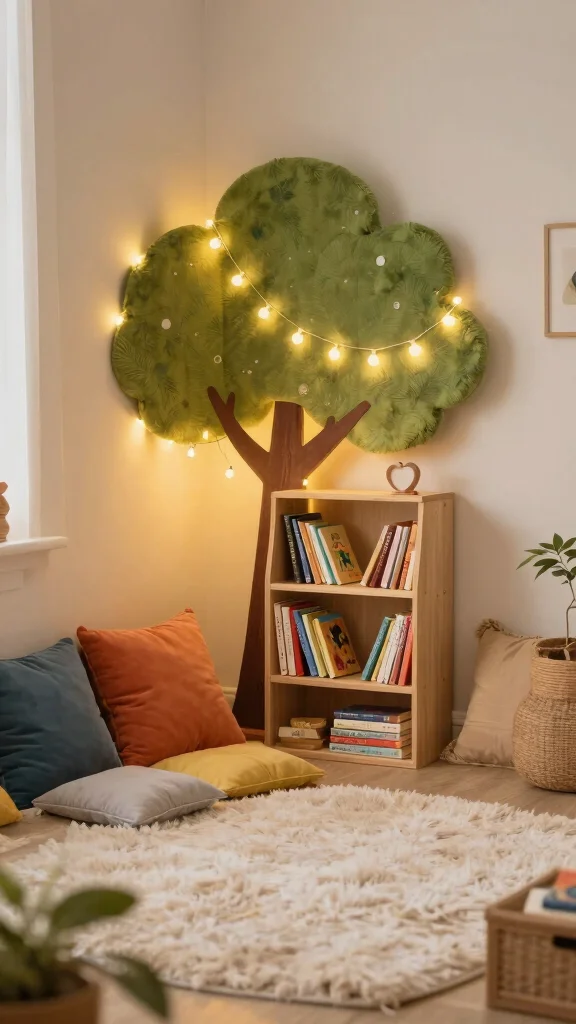
Creating a cozy reading corner is essential for cultivating a love of books in children.
A comfortable nook with inviting seating and ample storage for books can make reading an enjoyable pastime. This space encourages exploration and imagination through stories.
Consider these ideas for a reading corner:
– Use bean bags or soft floor cushions for comfortable seating.
– Add a warm reading lamp or string lights for a cozy glow.
– Incorporate fun bookshelves shaped like trees for engaging storage.
– Let your child personalize the decor to foster ownership and excitement.
This inviting space makes reading feel special, encouraging children to dive into new adventures through literature.
Fun fact: A cozy reading corner can boost reading time by up to 30 minutes per week for kids. A whimsical setup in a kids’ bedroom with bean bag seating and warm lighting makes reading feel like an adventure.
10. Personalized Name Decor
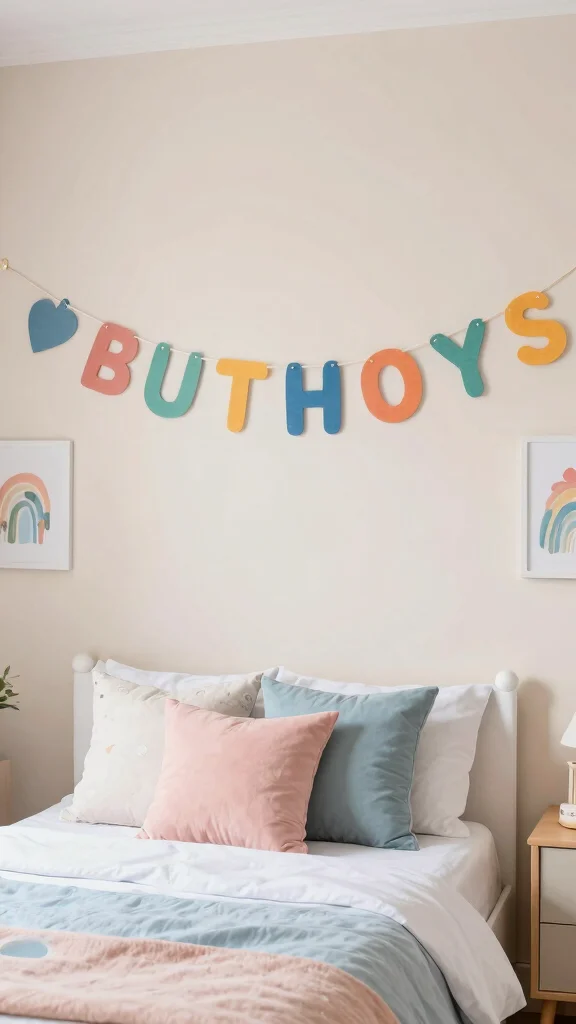
Personalized decor can add a unique touch that makes a child’s room feel special and inviting.
Incorporating your child’s name into the decor instills a sense of pride and ownership in their space. This thoughtful detail makes the room uniquely theirs.
Here are some ideas for personalized name decor:
– Display wall art featuring their name in fun fonts and colors.
– Create custom pillows embroidered with their name or initials.
– Use letters to form a name banner that stretches across the room.
– Involve your child in choosing styles and designs for a personal touch.
This personal element enhances the room’s character, making it a cherished retreat for your child.
11. Soft Floor Textiles
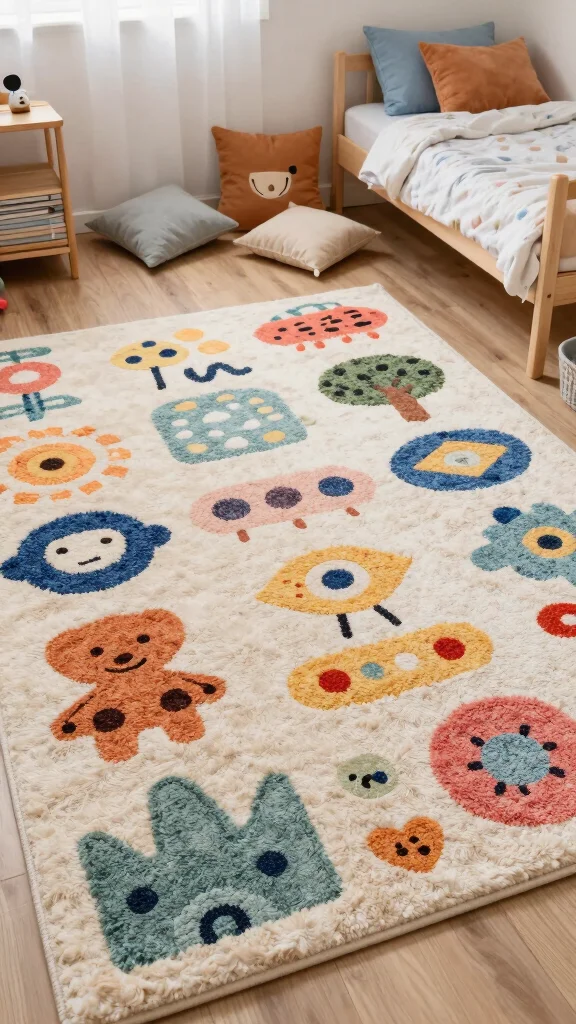
Soft floor textiles provide comfort and warmth in a child’s room, inviting play and relaxation.
Selecting rugs that are both plush and colorful can engage children’s imaginations while adding warmth to the space. This tactile element enhances the room’s inviting feel.
Here are some suggestions for choosing floor textiles:
– Look for non-toxic, easy-to-clean materials like cotton or wool.
– Choose playful patterns or bright colors to match the room’s theme.
– Layer smaller rugs over larger ones for added texture and coziness.
– Ensure rugs have non-slip backing for safety during play.
This thoughtful addition not only enhances comfort but also elevates the overall aesthetic of the room.
12. Creative Organization Solutions
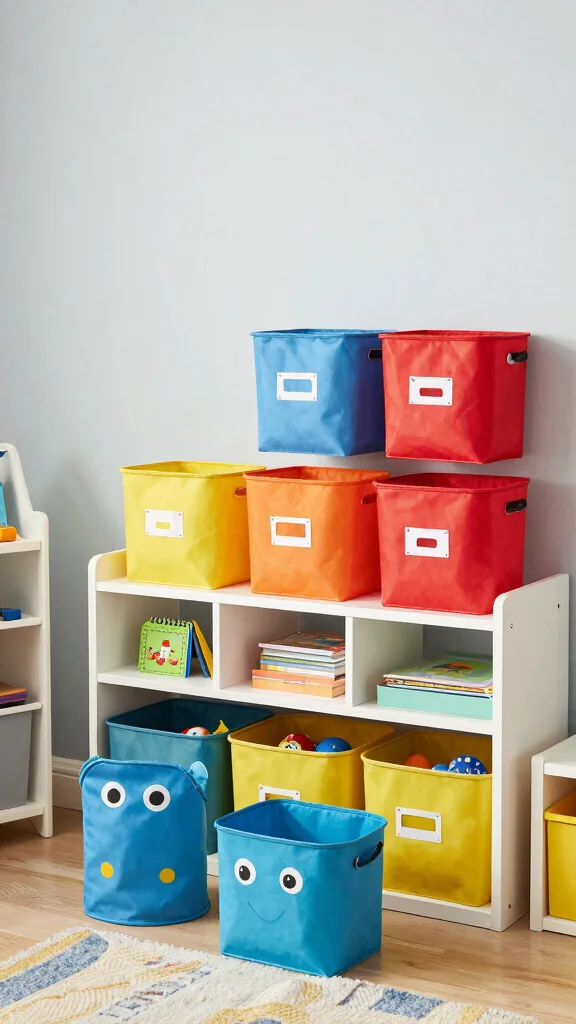
Keeping a child’s room organized can be fun with creative storage solutions that encourage tidiness.
Using colorful bins, labeled boxes, and unique shelving can help children learn to maintain their space while adding a playful touch. This approach turns organization into an enjoyable activity.
Try these strategies for effective organization:
– Use bins shaped like animals or vehicles to make organizing enjoyable.
– Install shelves at your child’s height for easy access to toys and books.
– Create colorful labels with images for easy identification.
– Involve kids in choosing where to store their items for ownership.
This engaging approach not only fosters organization skills but also keeps the room tidy and inviting.
Fun fact: kids tidy up about 40% faster when storage is colorful, labeled, and placed at their height. Use animal- or vehicle-shaped bins and low shelves to make whimsical bedroom ideas kids actually enjoy organizing.
13. Quirky Ceiling Decor
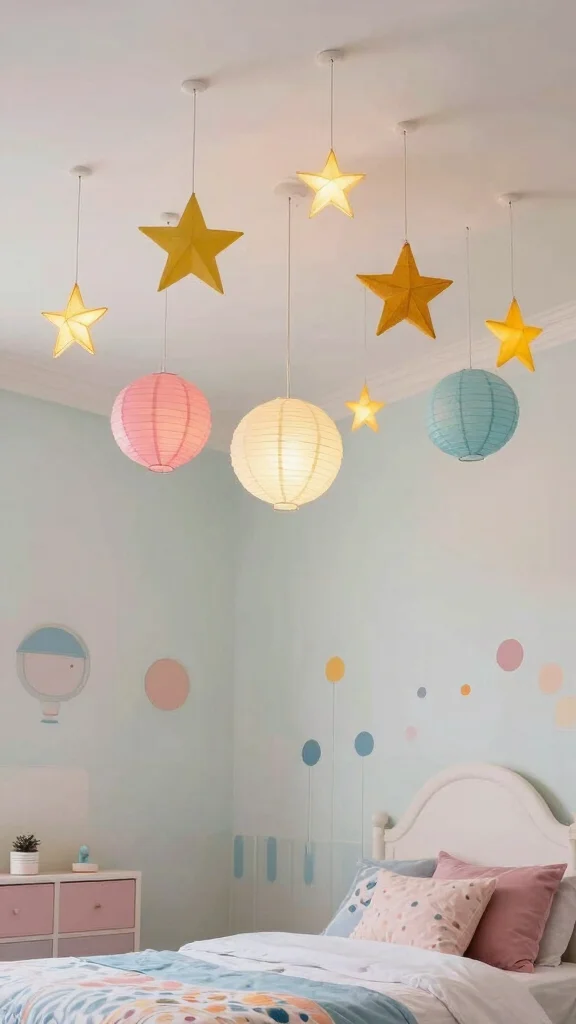
Don’t overlook the ceiling when designing a whimsical bedroom!
Adding quirky elements above can create an enchanting atmosphere that surprises and delights. This often-neglected space can contribute significantly to the overall theme.
Here are some ideas for ceiling decor:
– Hang stars, paper lanterns, or fabric clouds to enhance the magical vibe.
– Consider painting the ceiling with bright colors or fun designs.
– Integrate glow-in-the-dark stars for comforting nighttime visuals.
– Ensure all hanging elements are securely fastened for safety.
This playful ceiling decor adds a unique touch, transforming the space into a delightful wonderland.
14. Themed Bed Linens
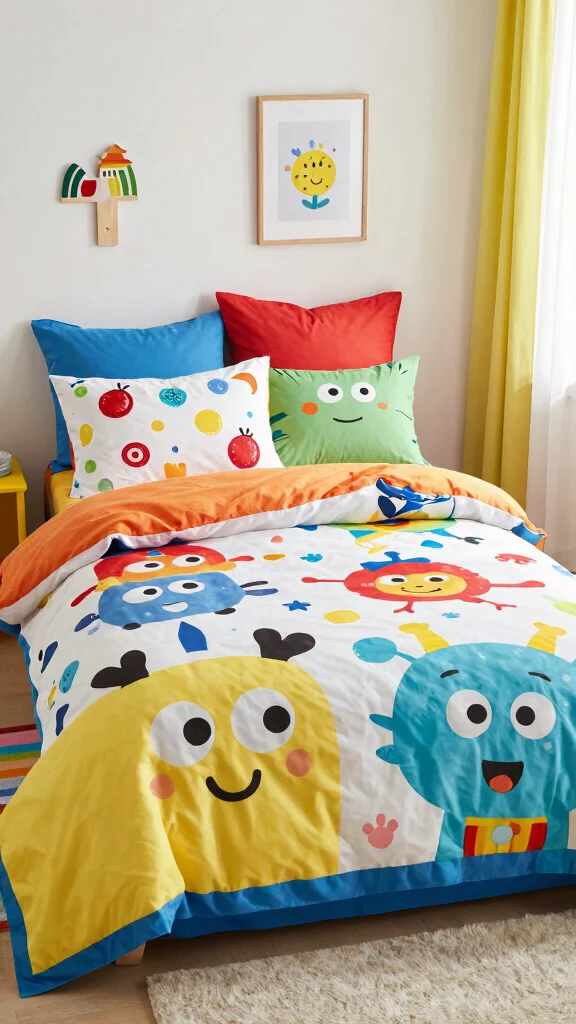
Themed bed linens can tie together the entire look of a whimsical bedroom.
Whether featuring superheroes, princesses, or favorite animals, fun bedding can serve as a focal point that enhances the room’s charm. This element adds personality and warmth to the sleeping area.
Consider these tips for selecting bed linens:
– Coordinate linens with the room’s overall color scheme.
– Mix different patterns for a playful, layered look.
– Rotate bedding seasonally to keep the room fresh and exciting.
– Involve your child in choosing themes or characters to make it personal.
This thoughtful detail helps create a cohesive and inviting atmosphere, making bedtime a delightful experience.
You Might Also Like

15. Imaginative Wall Art
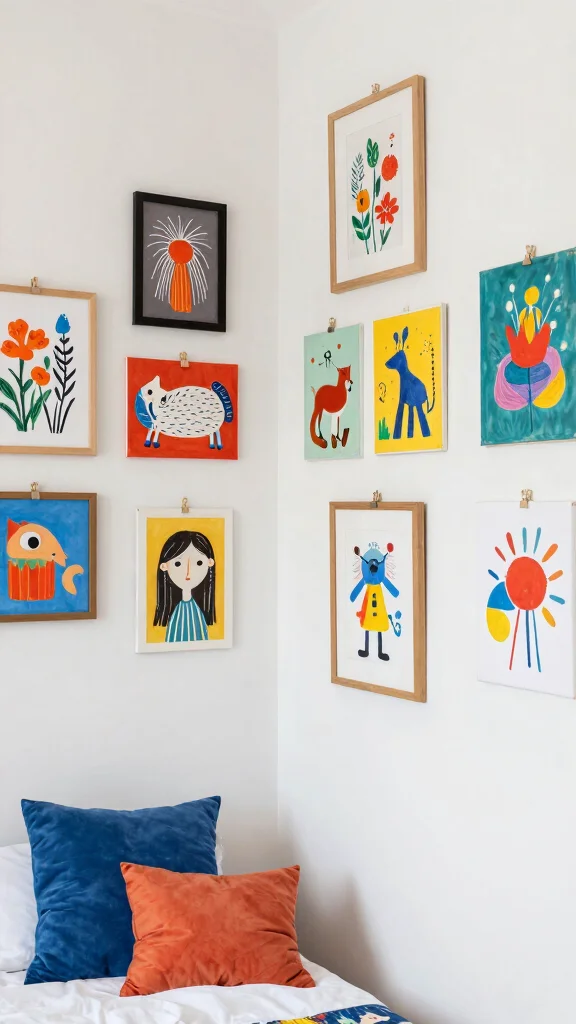
Wall art offers an excellent opportunity to express creativity and individuality in a child’s room.
Selecting imaginative pieces can inspire storytelling and play, providing a vibrant backdrop for creativity. This artistic flair can enhance the overall ambiance of the space.
Here are some ideas for incorporating wall art:
– Mix framed art, canvas prints, and DIY projects made by your child.
– Create a gallery wall featuring artwork and personal photos for a charming touch.
– Use clips or wire for easy updates as new creations are made.
– Ensure art complements the overall room theme for a cohesive look.
This creative touch not only beautifies the room but also fosters artistic expression and engagement.
16. Cozy Textured Pillows
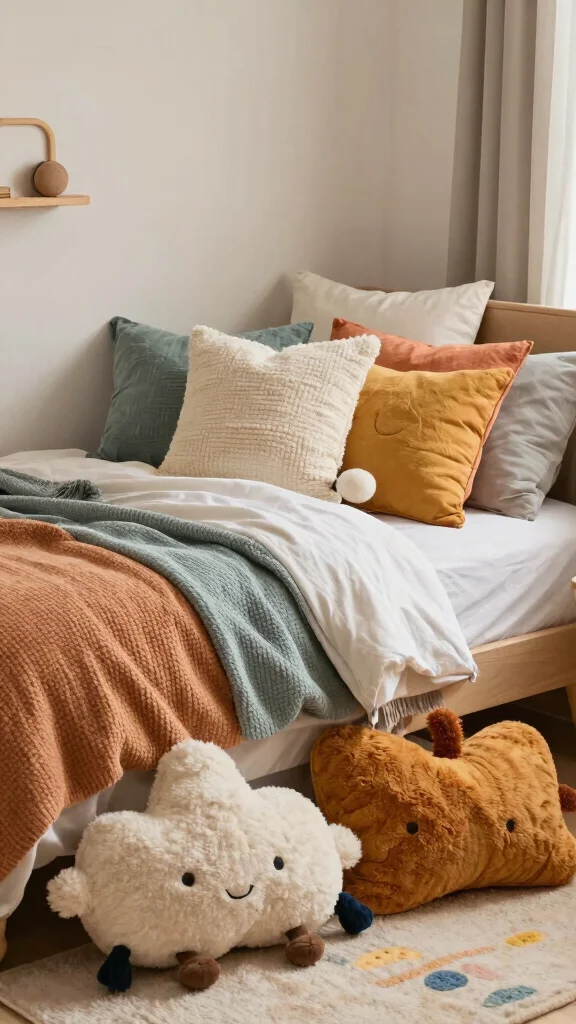
Adding textured pillows enhances both comfort and style in a whimsical bedroom.
These cushions can serve as decorative elements while providing extra comfort for play and reading. The right pillows can create an inviting and cozy atmosphere.
Consider these suggestions for selecting textured pillows:
– Mix soft velvets, plush faux furs, and cottons for visual interest.
– Look for pillows in fun shapes like animals or stars for added whimsy.
– Layer different sizes and textures to create an inviting look.
– Choose colors that align with the overall palette to maintain harmony.
This addition not only enhances comfort but also elevates the overall design aesthetic of the room.
17. Whimsical Clocks
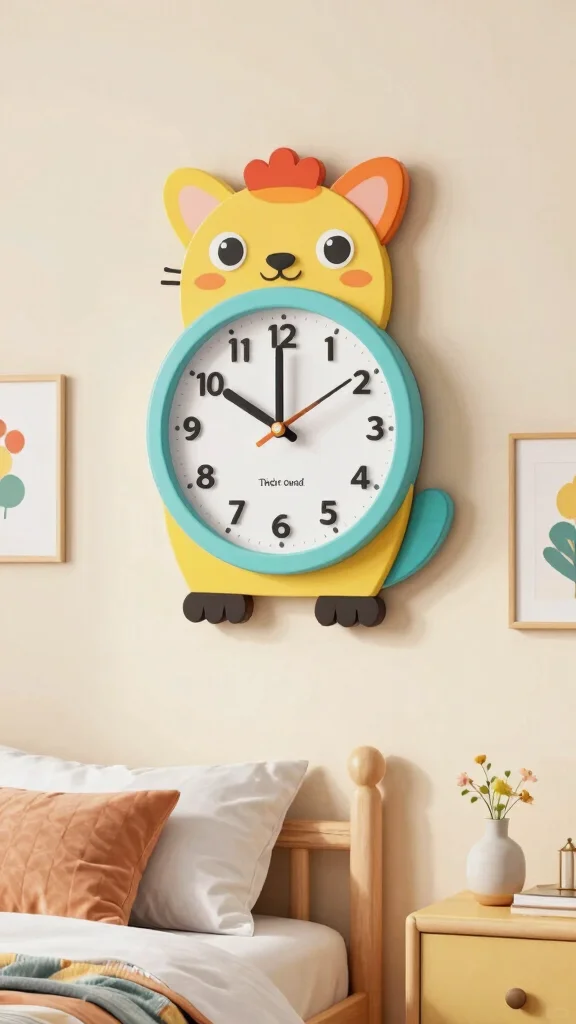
Adding a whimsical clock can be both fun and functional in a child’s room.
Clocks not only serve as decorative pieces but also help children learn to tell time in an engaging way. This interactive element can enhance both style and education.
Here are some tips for choosing whimsical clocks:
– Select clocks that fit the room’s theme, such as animal shapes or bright colors.
– Consider clocks with moving parts or sounds to stimulate interest.
– Hang clocks at a child’s eye level to promote learning and interaction.
– Opt for durable materials that can withstand playful handling.
This charming accent adds both functionality and flair to the space, making timekeeping a delightful experience.
18. Vibrant Curtains
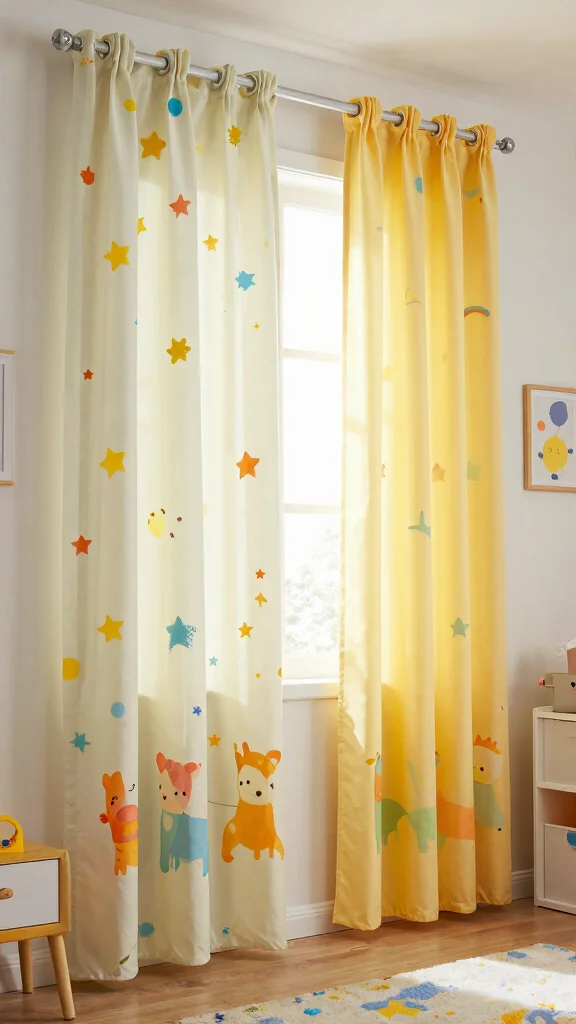
Curtains are a wonderful way to introduce color and pattern while providing privacy and light control.
Opting for vibrant, playful curtains can brighten the room and enhance its overall character. This functional decor element contributes significantly to the room’s atmosphere.
Here are some ideas for selecting vibrant curtains:
– Choose lightweight fabrics that are easy to open and close.
– Look for fun patterns that connect with the room’s theme.
– Consider pairing sheer curtains with heavier drapes for a layered effect.
– Ensure the curtain rods are securely installed for safety.
This thoughtful addition can greatly enhance the room’s aesthetic while providing practicality.
Conclusion
Creating a whimsical bedroom for your child can be a fun and rewarding experience.
With these 18 ideas, you can transform their space into a colorful haven that sparks joy and creativity.
Each element, from playful decor to thoughtful organization, aims to make their room not just a place to sleep but a magical retreat that encourages imagination and playfulness.
Frequently Asked Questions
Question: What are some whimsical bedroom ideas for kids with special needs?
Great question! These whimsical bedroom ideas kids can be tailored to sensory needs and individual preferences.
Start with a calm base palette and layer in gentle, inviting colors for a playful vibe. Use playful room decor that doubles as organization, like labeled bins, soft rugs, and removable wall decals. Create zones for sleep, play, and study to give structure without stifling imagination. Choose fun furniture for kids that is sturdy, low to the ground, and easy to access. Add cozy textures and soft lighting to reduce overstimulation. Finally, invite your child to contribute art and themes they love to keep the space joyful and personal.
Question: How can I use playful room decor to create a calming, engaging space for children?
Start with simple, cohesive color blocks and colorful bedroom themes that aren’t overwhelming. Introduce playful room decor through soft plush accents, rounded-edged furniture, and removable wall decals to swap as preferences change. Build creative kids spaces with multi-use furniture that hides toys or books, like benches with storage. Keep textures gentle and safe to touch, and incorporate adjustable lighting (dimmable lamps, warm string lights) to shift mood. Finally, let your child pick a favorite piece of imaginative wall art to anchor the theme and boost engagement.
Question: What colorful bedroom themes are best for kids who crave sensory-friendly spaces?
Look for palettes that are soothing and predictable: soft neutrals as a base with gentle pops of color. Use colorful bedroom themes that rely on repeating patterns rather than clutter. Add imaginative wall art and removable decals that are tactile-friendly and easy to clean. Incorporate fun furniture for kids like low beds, modular shelving, and cozy reading nooks. Keep acoustics in mind with soft rugs and ceiling panels to reduce echoes. Involve your child in choosing elements to maintain predictability and joy.
Question: What fun furniture for kids helps keep a whimsical room organized and accessible?
Choose fun furniture for kids that doubles as storage: low-height bookcases, ottomans with hidden bins, and modular seating. Add adjustable desks and chairs for growing kids. Use floating shelves to keep floor space clear and create a reading nook with a comfy chair. Use labels and color-coding to support independence, and ensure all materials are safe and easy to clean. Pair with kid-sized tables that invite creativity and play while keeping rooms uncluttered.
Question: How can imaginative wall art inspire creativity while supporting focus and comfort?
Imaginative wall art can set the story for your space. Start with a theme your child loves (space, jungle, underwater) and choose mural-ready decals or removable panels. Combine imaginative wall art with interactive elements like chalkboard sections or a chalk wall to foster creativity. Balance bold pieces with calmer accents to avoid sensory overload. Involve your child in choosing pieces to boost ownership and joy in the whimsical bedroom ideas kids journey.
Related Topics
whimsical bedroom ideas
colorful bedroom themes
playful room decor
creative kids spaces
fun furniture for kids
imaginative wall art
kids room design
special needs decor
themed bedrooms
DIY kids decor
joyful spaces
easy organization
Leave a Reply