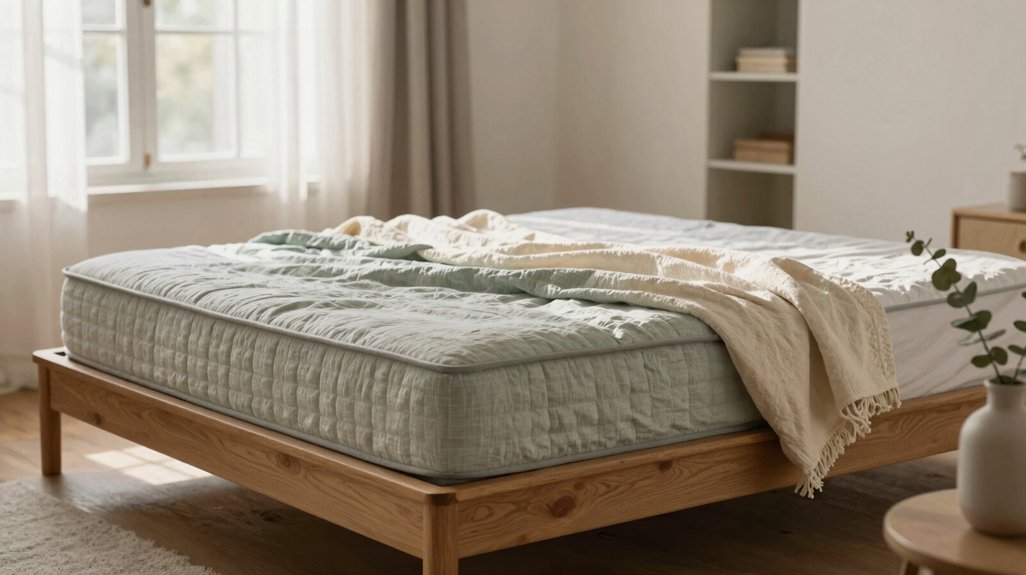
You need a mattress that matches how you actually sleep, not how you think you sleep. Start by noting your go-to position, your body weight, and any morning aches that won’t quit. A side sleeper under 130 pounds needs something different than a back sleeper over 230 pounds.
A couple sharing one bed faces an extra puzzle. The good news: most brands now offer 100-night trials, so you can test real sleep instead of a five-minute store lie-down. But trial policies vary, and some “firm” labels mean nothing at all.
The steps ahead cut through the marketing noise.
What “Mattress Firmness” Actually Means (and Why It’s Subjective)
While you might think “firmness” sounds like a simple, measurable thing, it’s actually one of the most personal aspects of choosing a mattress. Understanding mattress firmness begins with recognizing there’s no perfect objective measurement for how a sleeping surface feels when you lie on it.
You’ll encounter the mattress firmness scale, typically a 1–10 subjective scale where 1–2 means extra soft, 5 is medium, 6 hits medium-firm, 8 is firm, and 9–10 is extra firm. This firmness rating comes from standardized human testing, not lab instruments.
Here’s the tricky part: more sinkage equals a softer feel, but materials and layer thickness also shape your experience. That’s why any mattress firmness guide can only point you in the right direction. Ultimately, your ideal firmness depends on your personal body weight, since heavier folks compress comfort layers more deeply. Test in person when you can, or lean on detailed reviews rather than assuming someone else’s “firm” matches yours.
Recommended Products

TRADITIONAL SUPPORT, BETTER FOR THE PLANET – This reliably comfortable hybrid will provide even support night after night and arrives to you in a new smaller box that reduces its carbon footprint

About our Foam: Our foam is certified for suitability. Our foam features are Density:1.8 Compression:44 ILD, with recovery durability. Our foam is great for revitalizing your worn-out chairs, sofas, cushions, and other high-density replacement foam. Our foam is uniquely formulated to provide the balance of support, comfort, and durability. High density firm foam is designed for heavy traffic and high use applications. Our firm foam is designed to last approximately 7-12 years.

FOR GREAT SLEEP AND A CLEAN PLANET – Featuring our patented zoned pressure relief technology designed to help reduce aches and pains through the night, this new version ships in a smaller box for a reduced carbon footprint
Side, Back, or Stomach: How Sleep Position Dictates Firmness
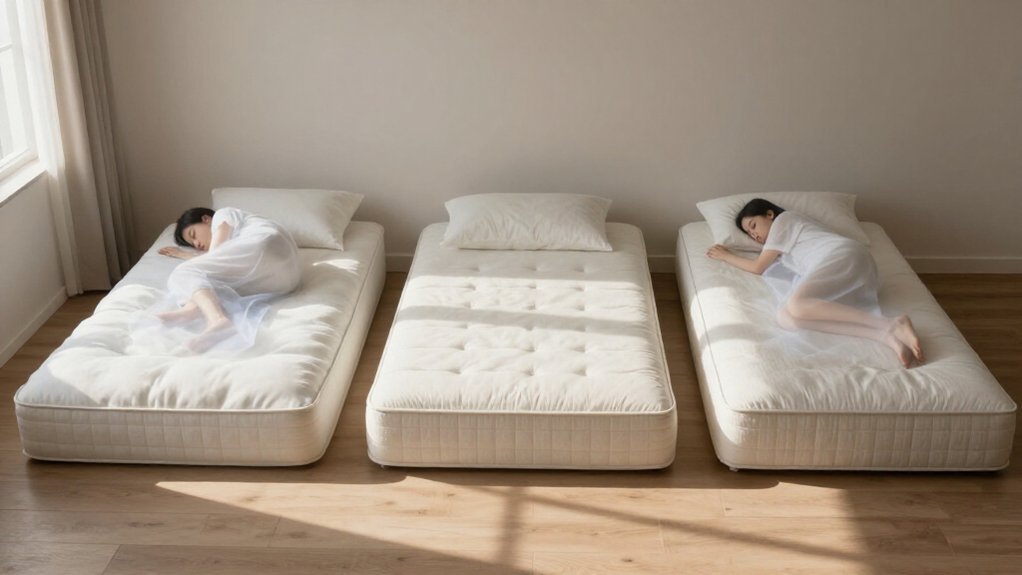
Your sleep position is one of the biggest factors in narrowing down what firmness you’ll actually like. Check any firmness chart, and you’ll see how spinal alignment changes based on how you sleep.
Your sleep position is one of the biggest factors in narrowing down what firmness you’ll actually like.
- Side sleepers need medium firmness, around 5–6, for pressure relief at shoulders and hips. Lighter folks can go softer, around 4, while heavier side sleepers shouldn’t exceed 7.
- Back sleepers do well with medium-firm firmness, 6–7, keeping your spine neutral. You might dip to 5 if you’re lighter, or up to 8 with more body weight.
- Stomach sleepers require medium-firm to firm, 6–8, stopping hips from sinking too deep. Don’t go softer than 5, even if you’re lighter.
Mismatch your position, and you’ll feel pressure buildup or stiffness. Target 5–8 as your starting range, then adjust for your body weight and comfort preference.
Recommended Products

Pressure Relief Memory Foam: This medium plush mattress uses patented premium memory foam material that provides balanced support while effectively absorbing and evenly distributing body pressure. It greatly alleviating the reaction force on body and relaxing muscles. The stress on joints in contact with the mattress is minimized, which will not add burden to the body while asleep.
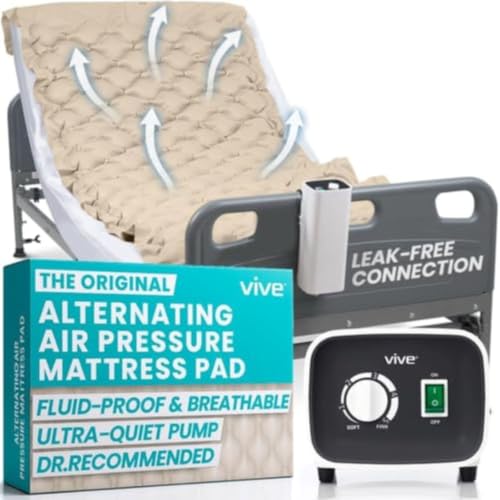
DOCTOR RECOMMENDED RELIEF FOR BED SORES & ULCERS: Providing relief from bed sores and ulcers that result from being bedridden, the alternating pressure mattress instantly promotes increased circulation and helps manage skin maceration. The variable pressure mattress evenly distributes weight and relieves pressure spots–instantly improving your loved one’s quality of life. Perfect for immobilized, bedridden patients who cannot shift their weight frequently.

【2-Inch Mattress Topper for Subtle Comfort Enhancement】This 2-inch gel memory foam mattress topper adds a light comfort layer to your bed surface, providing a subtle upgrade without significantly changing the feel of your mattress. Ideal for sleepers who want gentle cushioning and added softness.
Why Your Weight Changes What “Firm” Feels Like
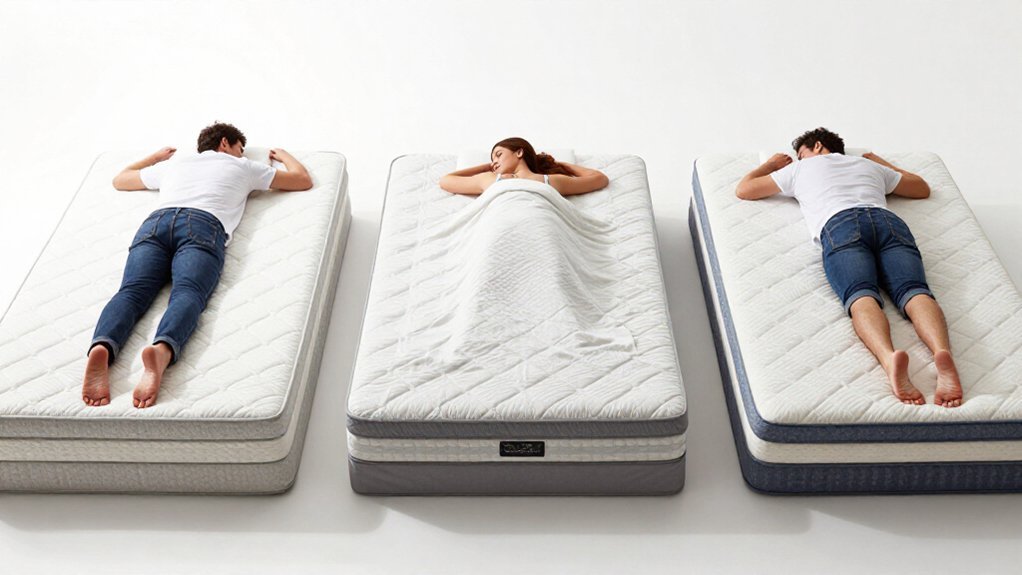
Because mattress firmness isn’t one-size-fits-all, your body weight completely changes how a bed actually feels under you. Heavier sleepers, typically over 230 pounds, often find a “medium” mattress feels far softer than advertised when you lie down. You’ll sink deeper, which can throw off spine alignment and create pressure points at your hips and shoulders.
Lighter sleepers, usually under 230 pounds, experience the same level of firmness as more supportive. You won’t compress the layers as much, so a soft bed might cradle you perfectly without excessive sinkage.
Your body weight also affects whether a mattress feels firmer than its rating suggests. If you’re heavier, you’ll likely need a firmer model, around 6 to 8 on the scale, to prevent your midsection from dipping too low. The right match depends on balancing sinkage with proper support for your build.
Recommended Products

ULTRA SOFT: Niagara Queen Mattress Topper is made from rayon derived from bamboo fiber and fits mattresses 8-20 inches deep. The mattress topper queen is 60×80 inches in size, gentle on sensitive skin, and ultra-soft.

【Balanced Comfort & Targeted Support】Designed with a high-density, high-resilience individually wrapped pocket spring system,medium firm queen hybrid mattress delivers precise, responsive support for every part of your body. The comfort layer gently contours to your body, while the reinforced support base helps maintain proper spinal alignment—creating the perfect balance of confort and firm support for restorative sleep.

Firm Support, Reduces Sag: This 3" firm mattress topper is designed for sleepers who need stronger support. It helps add firmness to mattresses that feel too soft or have started to sag over time, reducing excessive sinkage and creating a more stable sleep surface. Ideal for back and stomach sleepers seeking a firmer feel and better sleep support.
Arthritis, Back Pain, and Sleep Apnea: When Health Overrides the Rules
If you’re dealing with arthritis, back pain, or sleep apnea, the usual firmness rules might not apply to you, and that’s okay. Your health conditions demand specific support that overrides general recommendations.
Consider these priorities:
- Arthritis and back pain respond well to medium-to-firm surfaces, roughly 5–8 on the scale, balancing cushioning with spinal alignment.
- Sleep apnea often pushes side sleepers toward softer feels for better pressure relief around shoulders and hips.
- Memory foam mattresses adapt to various sleeping positions, distributing weight without irritating sensitive joints.
If your mattress is aging and you’re tossing through the night, upgrading within that medium-to-firm range, confirmed by a 30+ day trial, makes great practical sense.
Recommended Products

Firm Mattress Queen – Featuring high-density base foam for ideal full-body support, the queen memory foam mattress delivers ideal spine alignment. Perfect for back/ stomach sleepers needing proper lumbar support, it represents a premium value under $1000 for those prioritizing a reliable firmness level

【Luxurious Cloud-Like Comfort & Airflow for Every Sleeper】Enjoy a more indulgent sleep experience with the Grbsy memory foam mattress hybrid design, engineered to combine plush comfort, balanced support, and breathable cooling. Its multi-layer construction creates a cloud-like feel that helps your body relax more deeply throughout the night. Ideal for side, back, stomach, and combination sleepers, this medium firm mattress offers refreshingly cool, pressure-free rest and fits most standard bed frames with ease

FIRM SUPPORT FOR RESTFUL SLEEP: Designed for sleepers who prefer a stable yet comfortable sleep surface, this firm full mattress delivers the ideal balance of support and gentle contouring. The responsive hybrid construction helps keep your body properly aligned throughout the night, making it ideal for back sleepers, stomach sleepers, and anyone seeking dependable firm comfort.
The “Firmness Gap”: Finding Compromise With a Partner
You and your partner need to talk through what each of you actually needs from a mattress, since your sleep positions and body weights probably pull you in different directions.
If you’re hitting a wall, you’ve got solid paths forward: a medium-firm 6/10 mattress often works as middle ground, a topper can tweak one side without starting over, or a split king lets you each pick your own firmness level entirely. Whatever route you take, make sure you’re testing together in-store and then committing to that full at-home trial period, so you’re not stuck guessing.
Recommended Products

COOLING COMFORT AT A GREAT VALUE – Cooling Gel Memory Foam pulls heat away from your body while a breathable cover promotes airflow throughout the night. Quality cooling comfort at a price that works for you.

Soft: High-Elastic EVA, lightweight, durable and flexible, make your feet ultimate comfort.

POCKET SPRING SYSTEM: Individually wrapped coils respond to body movement independently, reducing motion transfer and offering personalized support for a restful, undisturbed sleep.
Split Firmness Options
For couples with different sleep needs, split firmness mattresses offer a practical middle ground. You can bridge the firmness gap without either partner sacrificing sleep quality.
Here’s how split firmness options work for you:
- Choose adjustable firmness on each side, so one of you gets a softer mattress (around 4–6) while the other enjoys a firmer mattress (around 7–8)
- Pick a split king setup, giving you independent control over your best mattress firmness, whether you’re side sleepers needing pressure relief or back sleepers wanting spinal support
- Always prioritize an in-home trial of at least 30 days, so you both verify real comfort, not just initial feel
When sleepers have truly incompatible needs, split configurations let you customize support independently. You’re not stuck with one compromise; you’re investing in two right answers.
Communication Strategies
How do you bridge the gap when one of you craves a plush, sinking feel and the other needs solid, unyielding support? You start by closing the firmness gap with numbers, not arguments. Translate each preference onto the 1–10 firmness scale, so you’re speaking the same language.
Use sleep-position targets to guide your compromise. Side sleepers usually land around 5–6, while back and stomach sleepers need 6–8. Agree on a 30-day in-home trial with easy returns, so you test real sleep, not showroom impressions.
If you’re still divided, explore adjustable solutions. A topper can tweak one side, or go for a split-king setup with separate mattresses. Watch for too soft or too firm signals: morning soreness, stiffness, or fatigue.
Re-test together, aiming for a medium-firm range around 6–7, a great choice for many couples.
Test Before You Commit: In-Store Tricks and Online Shortcuts
The right firmness can make or break your sleep, so testing smart matters whether you’re browsing a showroom or scrolling at home. Here’s everything you need to know to nail your mattress firmness choice:
- Hit the showroom with a plan. Test beds in order, spending a few minutes in your normal sleeping position. Ask for the firmness number on the store’s 1–10 scale: soft hits 3–4, medium lands at 5–6, and firm sits at 7–8. Let your body settle, especially if you’re checking support for your back or lower back.
- Search smarter online. Can’t visit locally? Type targeted phrases like “best firmness for back pain” or “side sleeper mattress 6/10.” Read reviews mentioning pressure relief and spine alignment, not just soft versus firm.
- Bridge the gap with a topper. Stuck between two feels? A topper shifts perceived firmness, softening a too-firm bed or adding structure to a plush one. Great choice if you’re unsure.
Recommended Products

2-in-1 Dual-Layer Design: This king (78”x80”) mattress topper has two independent layers. The breathable down alternative-filled top layer boosts airflow to reduce warmth buildup; the CertiPUR-US cooling gel memory foam bottom layer supports shoulders, waist and hips to ease body pressure. Blending softness and steady support, it promotes restful sleep for daily refreshed mornings. Upgrade your old firm mattress while keeping natural body alignment.
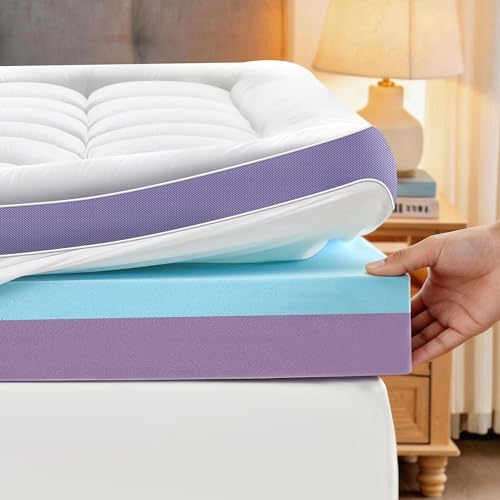
Pressure Relief for Deep Sleep Comfort – Our 5-inch dual-layer queen mattress topper combines a supportive foam base, cooling memory foam, and a plush pillow top mattress pad to help relieve pressure on your shoulders, hips, and lower back. It refreshes an old or firm mattress with balanced comfort and support for deeper, more restorative sleep

INCLUDES REPLACEMENT PAD ONLY: Please be aware that you are not purchasing an entire alternating pressure pad device. This is a replacement mattress and does not include the pump – PUMP SOLD SEPARATELY.
Trial Periods That Actually Protect You (and Red Flags to Avoid)
Why gamble with your sleep when you can test-drive first? Smart shoppers prioritize trial periods with a 30+ day in-home trial and easy returns, because only real nights reveal if a medium-to-firm 5–8 truly matches your body.
Watch for red flags during your test. Sore waking, increased pain in hips or shoulders, and relentless tossing/turning signal the firmness is off. Too soft, and you’ll struggle to roll over or stand up. Too firm, and pressure points scream.
Before you bail, try a mattress topper; it can tweak the feel without a full return. But don’t force it. If symptoms persist, use that return policy promptly. Then pivot to another medium-to-firm 5–8 option; your spine will thank you.
Recommended Products

ULTRA SOFT: The Niagara full mattress pad is made from soft cotton on top and fits mattresses 8-20 inches deep. The mattress topper full is gentle on sensitive skin, elastic, and ultra-soft.

EXTRA FIRM SUPPORT FOR BACK & LUMBAR RELIEF: Designed for sleepers who need a truly supportive sleep surface, this extra firm queen mattress features a reinforced zoned support system that provides targeted support to the shoulders, lumbar region, hips, and lower back. The stable hybrid construction helps maintain proper spinal alignment throughout the night, making it ideal for back sleepers, stomach sleepers, heavier individuals, and anyone seeking dependable extra firm comfort.
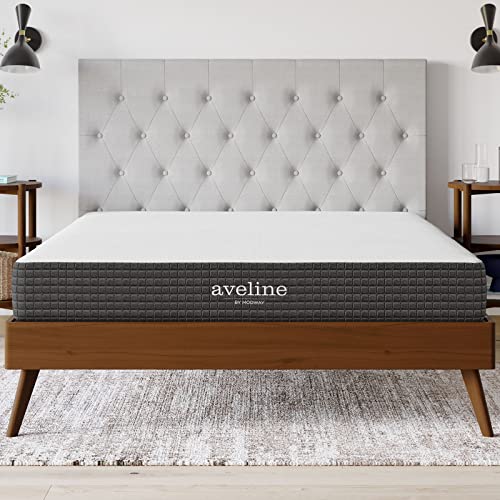
Materials: 2" gel-infused memory foam, 6" dense polyurethane memory foam
Got the Wrong Firmness? Fix It Without Buying Again
Before you return that mattress, you’ve got options that cost way less than starting over. Use your 30+ day home trial to check spinal alignment and pressure relief, since firmness feels different based on how much you sink.
Here’s how to fix wrong firmness:
- Too soft mattress: Add a medium/firm topper, or switch to a 5–7 feel if you’re sinking too much and waking stiff.
- Too firm mattress: Soften the surface with a plush topper to restore contouring without losing support, especially if shoulders and hips ache.
- Quick tweaks: Try pillow adjustment and sleeping position changes first; side sleepers usually need 5–6, back and stomach sleepers often prefer 6–7.
If getting in and out feels hard, re-test movement and pressure points during your trial.
Recommended Products

Hybrid Mattress Queen Size – Combining multiple foam layers with reinforced pocket springs, the BedStory 14-inch queen mattress offers ultra firmness and support for all sleeping positions

365-NIGHT HOME TRIAL – Worried our mattress might not meet your expectations? No need! We offer an industry-leading 365-day trial, giving you ample time to experience it fully. If you have questions, our dedicated customer support team is here to assist, try it risk-free for a full year.

Hybrid Comfort System – Combines independent pocket springs with responsive memory foam. The springs provide targeted support and reduce motion transfer (ideal for couples), while the foam conforms to your body curves for pressure relief. Offers a medium firm feel – supportive yet soft enough for side/back/stomach sleepers.
Why “Support” Isn’t the Same as “Firm” (and Why Both Matter)
When you’re shopping for a mattress, it’s easy to assume that a firmer bed automatically means better support, but that’s not how it actually works. Firmness is just how soft or hard the surface feels, while support is what keeps your spine alignment healthy and your weight distributed evenly.
You can find a firm feel that’s actually unsupportive if it doesn’t contour to your body or relieve pressure where you need it. Conversely, a soft yet supportive mattress can cushion your pressure points while deeper layers maintain spine neutrality. This is why asking “what firmness should my mattress be” misses the bigger picture.
Aim for the medium-to-firm range, around 5 to 8, as your starting point. Then test for proper pressure relief and spine alignment. You’re looking for that sweet spot where comfort and support work together, not against each other.
Recommended Products

Strong Support: This 6" portable mattress uses a two-layer design—1" of memory foam and 5" of resilient support foam—to deliver medium-firm comfort preferred by most sleepers. The combination offers a supportive, breathable, and durable sleep experience

4-INCH THICK STABLE SUPPORT: Sleep comfortably anywhere with 4" of drop-stitch construction that inflates up to 7 PSI for firm, even support. This thin air mattress designed to stay flat and reduce sinking compared to traditional air pads

COOLING GEL MEMORY FOAM – Gel-infused memory foam with an open-cell structure boosts airflow and draws heat away from the body, keeping the sleep surface cool and comfortable through the night.
When Sagging Lies: How Mattress Age Fakes Firmness Problems
You might think your mattress has gotten too soft over time, but age often creates a trickier problem than simple firmness loss. Mattress age warps how you perceive firmness, making sagging mattresses feel both too soft and unsupportive at once. You sink into dips that steal pressure relief, forcing you into a hammock effect that wrecks your spine alignment and triggers endless tossing and turning.
Here’s what actually happens:
- Your mattress drops on the firmness scale, a former 6/10 now playing like 5/10 or lower
- You get uneven support, firm spots mixed with collapsed zones that fail your body
- You lose the cushioning-support balance that healthy sleep needs
If you’re fighting these signs nightly, upgrading restores real comfort.
Recommended Products
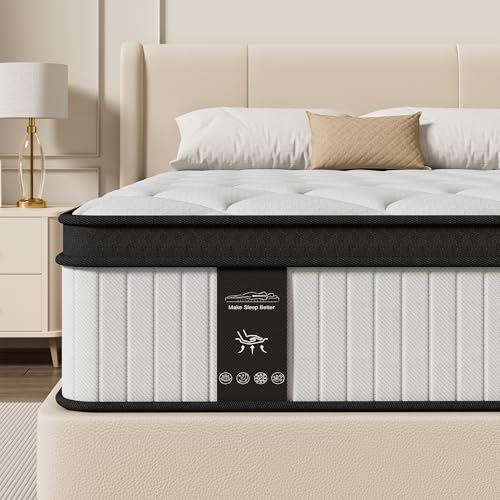
ZONED SUPPORT FOR PERFECT SPINAL ALIGNMENT – 1000+ individually pocketed coils work independently to deliver precise, targeted support — exactly where your body needs it most. Each coil responds to your body's unique pressure points, keeping your spine naturally aligned through every sleep position. Side sleeper, back sleeper, or sharing the bed with a partner — enjoy deeper rest, reduced motion transfer, and wake up feeling refreshed, pain-free, every single morning
Pressure Relief Memory Foam: This medium plush mattress uses patented premium memory foam material that provides balanced support while effectively absorbing and evenly distributing body pressure. It greatly alleviating the reaction force on body and relaxing muscles. The stress on joints in contact with the mattress is minimized, which will not add burden to the body while asleep.
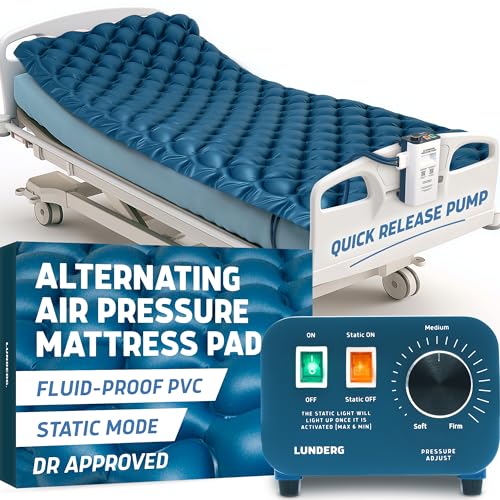
Doctor & Therapist Approved – Prevent & Heal Bedsores: Lunderg’s Air Pressure Mattress for bed sores relieves pressure on skin & bony areas, boosts circulation, and reduces turning. Developed by medical experts for faster healing.
Leave a Reply