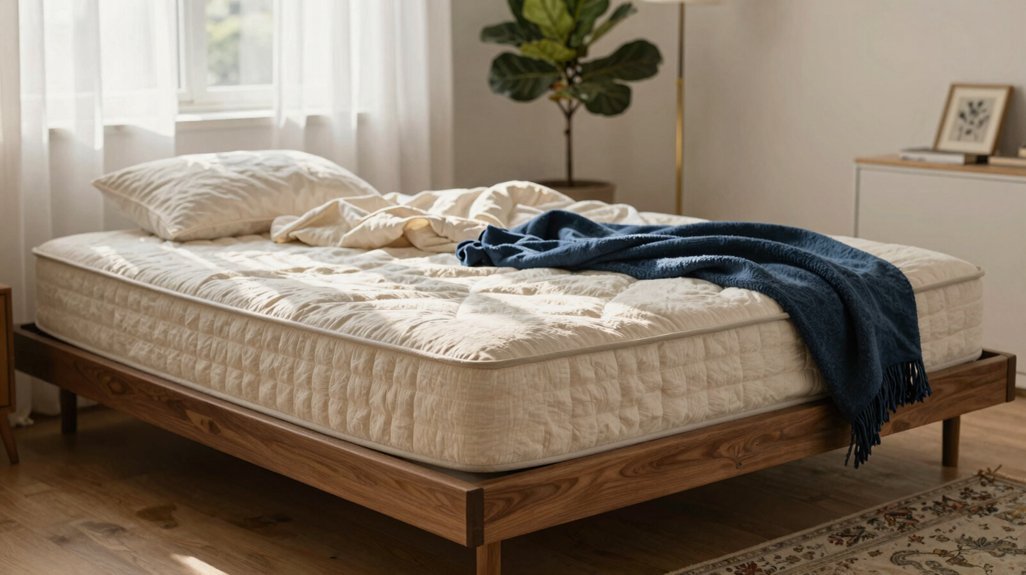
You’re waking up stiff again, and your old mattress might be the culprit. Medium-firm beds, around 6 to 7 on a 10-point scale, tend to keep your spine aligned without letting your hips sink too deep.
That said, your sleep position and body weight change everything: side sleepers often need softer cushioning at the shoulders, while stomach sleepers usually require firmer support to prevent lower back arching.
The real challenge is finding what actually works for your specific build, since a 130-pound person experiences the same mattress very differently than someone weighing 200 pounds.
Before you spend $800 to $2,000 on a new bed, you’ll want to understand which materials and testing methods separate helpful support from marketing hype.
The Short Answer: Medium-Firm Works Best for Back Pain
Start with a medium-firm mattress if you’re dealing with back pain. Research shows this type consistently delivers better sleep quality for folks with lower back pain than going too soft or too hard. You’ll get the spinal alignment you need without sacrificing pressure relief at your shoulders and hips.
Firm mattresses aren’t automatically better. One study of 268 people found zero difference between medium-firm and firm options for sleep quality, but very hard beds scored worst. You want enough back support to keep your spine neutral, plus comfort layers that cushion pressure points.
A soft mattress lets you sink too deep, twisting joints and throwing off alignment. Since brands vary and your body needs 3 to 6 weeks to adjust, start medium-firm, then re-evaluate once you’ve broken it in.
Recommended Products

2 In 1 ADJUSTABLE DUAL LAYER DESIGN: This plush dual layer mattress topper features a 2-inch cooling gel memory foam and a 2-inch quilted breathable pillow top mattress topper with snow down alternative overfilling. When combined, it can become a 4-inch thick mattress topper, which not only has strong support, but also provides a cloud-like comfortable experience
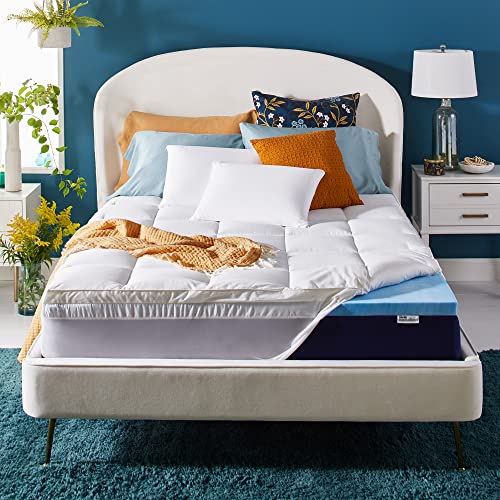
Dual Layer King Size Gel Memory Foam Mattress Topper: This luxurious 2 layer mattress topper features a 2 inch soft quilted pillow top cover with plush fiber fill and 2 inches of cooling gel memory foam for a medium feel

【 Comfort & Responsive Support】Featuring high-density comfort foam and individually wrapped pocket springs, this medium-firm king hybrid mattress delivers responsive support across the entire body. The comfort layers gently contour to your shape, while the reinforced base promotes proper spinal alignment for a balanced combination of cushioning and support.
What “Medium-Firm” Actually Means (and Why Experts Recommend It)
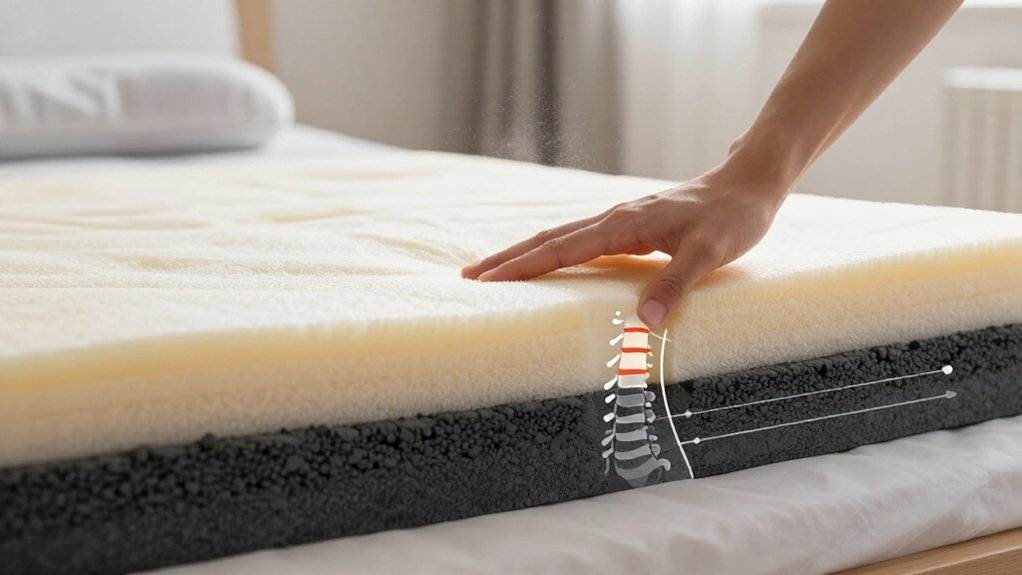
Because mattress firmness isn’t regulated, “medium-firm” is more of a guideline than a guarantee. You’ll find it sitting in the middle of the firmness scale, somewhere around a 5 or 6 out of 10, but labels vary wildly between brands. One company’s medium-firm can feel rock-solid compared to another’s.
Experts keep pointing to medium-firm because it hits that sweet spot of pressure and support. You get enough give for pressure relief at your shoulders and hips, plus the pushback you need for spinal alignment. It cradles your natural curve without letting you sink too deep, which keeps pressure on the hips from building up overnight.
Your body weight distributes evenly, so no single spot takes the hit. For chronic back back pain, that’s a great choice.
Recommended Products

【ICE SILK COOLING FOR ALL-NIGHT COMFORT】-The Regoss Luxury 14 inch king size Mattress is crafted with ice-silk-infused fabric, this mattress delivers a cool-to-the-touch, silky-soft feel. Moisture-wicking and highly breathable, the cover helps regulate body temperature throughout the night—keeping hot sleepers cool, dry, and comfortable.

Firm Queen Hybrid Mattress / 14 Inch Queen Size Mattress for Lumbar Support & Back Side Sleepers

【Targeted Support Zones for Balanced Alignment】 The king hybrid mattress is built with hundreds of individually pocketed coils, each working independently to deliver precise, zoned support and significantly reduce motion transfer. These king size mattress targeted support zones help maintain spinal alignment, improve sleep stability, and create a more personalized rest experience for a wide range of sleepers.
How Your Sleep Position Changes the Firmness You Need
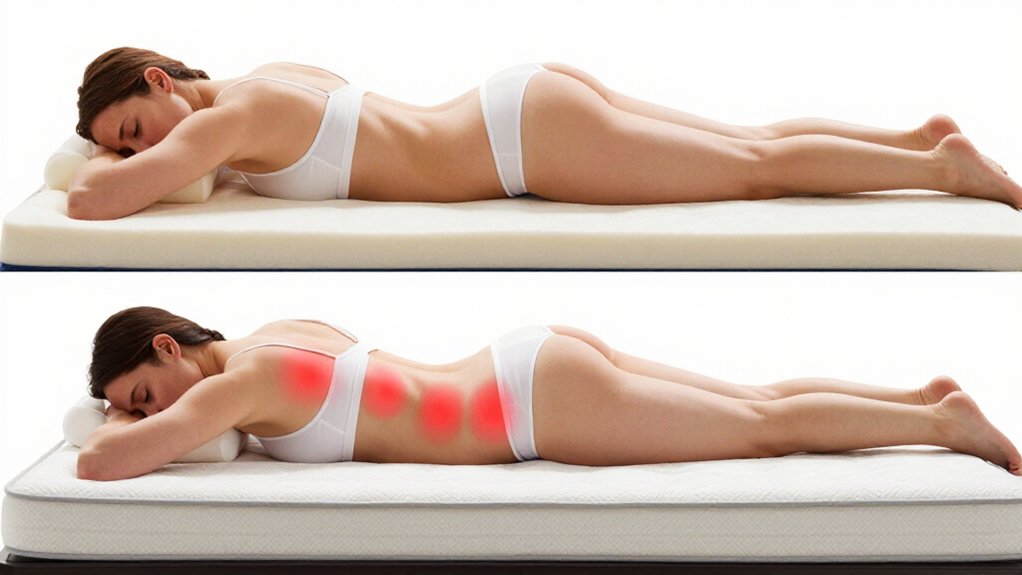
Where you land on the firmness scale depends heavily on how you actually sleep at night. Your preferred sleeping position changes everything about what feels comfortable and what keeps you pain-free.
Your sleeping position determines your ideal mattress firmness—what keeps one person pain-free might leave another aching.
Side sleepers, you need a softer landing. Your hips and shoulders dig in first, so you’ll want medium-soft to medium-firm cushioning that prevents pressure pain without letting you collapse.
Back sleepers, you’re looking for that sweet spot in the medium to firm range. You need enough resistance to maintain spinal alignment, especially keeping your lower back from sinking too deep.
Stomach sleeping demands the most firm support. Without it, your hips drop, your lower back arches, and you wake up stiff.
Recommended Products

2-in-1 Dual-Layer Design: This king (78”x80”) mattress topper has two independent layers. The breathable down alternative-filled top layer boosts airflow to reduce warmth buildup; the CertiPUR-US cooling gel memory foam bottom layer supports shoulders, waist and hips to ease body pressure. Blending softness and steady support, it promotes restful sleep for daily refreshed mornings. Upgrade your old firm mattress while keeping natural body alignment.

💜【Pressure Relieving Comfort】 Our mattress topper is engineered with soft yet supportive memory foam that conforms to your body’s natural shape. It evenly distributes weight to minimize pressure points and offers gentle support to your shoulders, neck, back, hips, and knees—helping you wake up refreshed.
💜【Pressure Relieving Comfort】 Our mattress topper is engineered with soft yet supportive memory foam that conforms to your body’s natural shape. It evenly distributes weight to minimize pressure points and offers gentle support to your shoulders, neck, back, hips, and knees—helping you wake up refreshed.
Why Body Weight Determines How Firm a Mattress Feels
How much you weigh changes everything about how a mattress feels beneath you. Mattress firmness isn’t universal; your body weight determines how far you sink into the comfort layers. Heavier individuals typically experience more sinkage, so a bed that feels firm to your friend might feel medium or even soft to you.
That sinkage directly affects your spinal alignment. Without enough push-back, you’ll face hip/back sag, which worsens back pain instead of relieving it. Lighter sleepers face the opposite problem: you might not sink enough into a firm surface, missing the pressure relief your shoulders and hips need.
A medium-firm mattress works as a solid starting point for many, but you’ll need to adjust based on your specific support and pressure needs. Test how your weight interacts with the bed’s resistance, and choose accordingly.
Recommended Products

Sleep Lumbar Support Pillow for Back Pain Relief : Experience unparalleled comfort and relief with our ergonomically designed lumbar pillow for bed. Crafted to effectively support the lower back, it's ideal for side, back, and stomach sleepers, ensuring optimal spinal alignment throughout the night.

LUMBAR SUPPORT FOR BED & SLEEPING COMFORT : This lumbar pillow for sleeping is designed to support the natural curve of your waist and lower back while lying down. As a lumbar support pillow for bed, it helps fill the gap between your back and mattress to improve comfort during sleep, rest, or reading.

【EXTRA FIRM SUPPORT FOR SPINAL ALIGNMENT】Built for sleepers who prefer a stable, low-sink feel, this extra firm mattress combines responsive comfort foam with a high-density support core. Its multi-layer design helps distribute body weight more evenly and supports proper spinal alignment, delivering dependable support for the lower back, hips, shoulders, and neck throughout the night.
Which Mattress Material Delivers the Best Back Support?
Forget the marketing hype about “the best” material, because the truth is simpler than that. You need spinal alignment plus pressure pain relief, and several types of mattresses can deliver that combo.
Memory foam mattresses contour to distribute body weight, but too much sinkage twists your joints. Innerspring mattresses give responsive spinal support, though cheaper ones skimp on shoulder and hip cushioning. Hybrid mattresses blend foam comfort with coil support, which is often the sweet spot for managing back pain.
You’re floating atop a medium-firm mattress with your spine level, not curved into a hammock. Your hips sink just enough that pressure lifts from your lower back. You wake without stiffness because material layers balanced give and resistance.
Float level, not curved like a hammock—hips sink just enough, pressure lifts, and you wake without stiffness.
When you shop, prioritize how the mattress keeps your spine straight while cradling pressure points, not the label on the tag.
Recommended Products
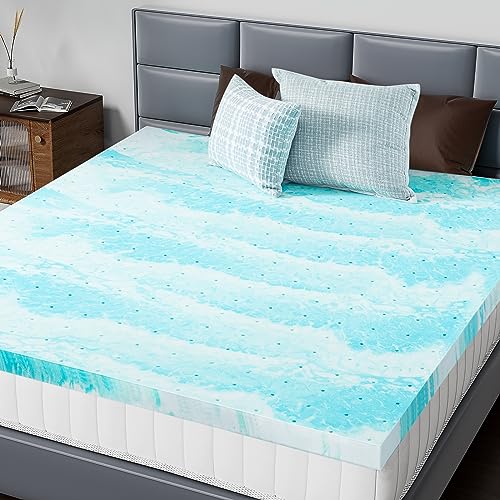
Cooling Gel Infused Memory Foam: Our memory foam mattress topper provides ergonomic pressure relief, helping alleviate back, neck, and shoulder pain. The flexible design perfectly contours to your body and is 100% compatible with a mattress without losing its shape

5-Zone Targeted Pain Relief: Our memory foam topper uses 5-zone ergonomic support to ease pressure on your head, shoulders, back, hips, and legs when placed over your existing mattress. It is ideal for side sleepers and those with back or hip pain, reducing tossing and turning to help you wake up feeling refreshed
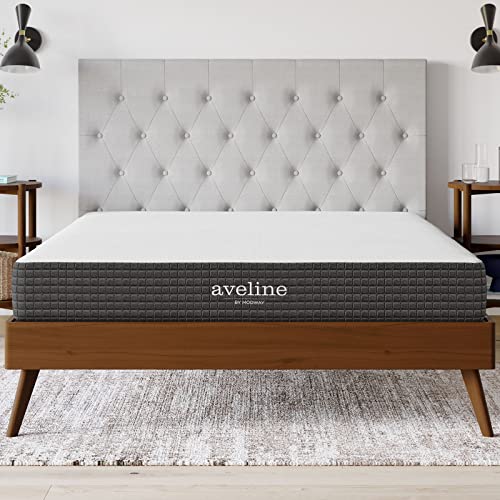
Materials: 2" gel-infused memory foam, 6" dense polyurethane memory foam
How to Test Mattress Support Before You Buy
At the store, you’ll need more than a quick sit-down to evaluate if a mattress actually supports your back. Lie down for at least 10-15 minutes in your typical sleep position, checking if your hips sink too far or if you feel pressure building on your shoulders. You’re looking for that sweet spot where firmness levels give consistent support without sacrificing contouring where your body curves.
If possible, test medium-firm against firm options by noting which maintains spinal alignment while keeping you comfortable. A great choice is sleeping on different mattresses at a hotel or friend’s house, then evaluating your back pain the next morning.
Recommended Products

Tired Of Sagging Beds? This 12-inch queen hybrid mattress (80"L x 60"W) features a durable 7-layer design with premium cooling foam and individually wrapped pocket coils for firm support. Engineered to hold 500-600 lbs, this breathable, anti-sag bed reduces heat buildup for hot sleepers. Advanced motion isolation eliminates partner disturbance. Whether sleeping alone, with a partner, or pets, experience deep, undisturbed rest every single night
Medium Firm Queen Hybrid Mattress / 14 Inch Queen Size Mattress with Back and Lumbar Support

【Luxurious Cloud-Like Comfort & Airflow for Every Sleeper】Enjoy a more indulgent sleep experience with the Grbsy memory foam mattress hybrid design, engineered to combine plush comfort, balanced support, and breathable cooling. Its multi-layer construction creates a cloud-like feel that helps your body relax more deeply throughout the night. Ideal for side, back, stomach, and combination sleepers, this medium firm mattress offers refreshingly cool, pressure-free rest and fits most standard bed frames with ease
What If Your Mattress Still Causes Back Pain?
Even after careful testing, your new mattress might still leave you waking up sore, and that frustration is more common than you’d think. Your back pain often stems from insufficient pressure relief or poor spinal alignment. Hard mattresses actually scored poorest for sleep quality in one study of 268 people with low back pain, while soft mattresses can twist your joints through deep sinking.
Try these fixes before giving up:
- Slide a pillow under your knees when back sleeping, or between your legs for side sleeping, to maintain spinal alignment and prevent misalignment hip shoulder issues
- Test a firmer comfort level at home by placing plywood under your mattress to cut spring movement and see if support improves
- Sleep on different beds away from home, like hotels or friends’ places, since meaningful relief comes from extended testing, not store minutes
Recommended Products
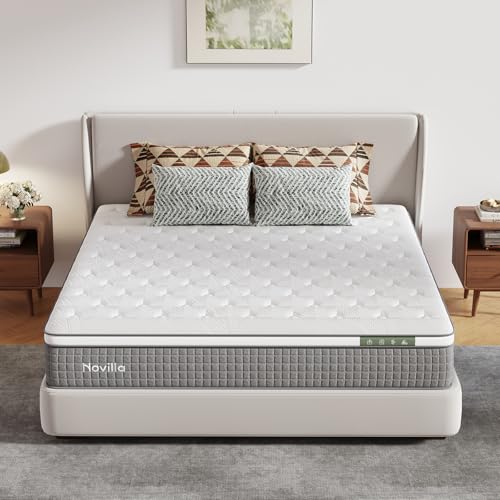
【Targeted Support Zones for Balanced Alignment】 The twin xl mattress is built with hundreds of individually pocketed coils, each working independently to deliver precise, zoned support and significantly reduce motion transfer. These targeted support zones help maintain spinal alignment, improve sleep stability, and create a more personalized rest experience for a wide range of sleepers.

HYBRID COMFORT FOR BACK SLEEPERS — Our 12 inch queen hybrid mattress pairs body-contouring memory foam with individually wrapped pocket coils(630 coils) for a Firm feel that supports side, back, and stomach sleepers. The Euro Top softly cradles shoulders and hips while keeping your spine aligned all night long

HYBRID COMFORT FOR STOMACH SLEEPERS — Our 12 inch twin hybrid mattress pairs body-contouring memory foam with individually wrapped pocket coils(450 coils) for a Medium Firm feel that supports side, back, and stomach sleepers. The Euro Top softly cradles shoulders and hips while keeping your spine aligned all night long
Leave a Reply