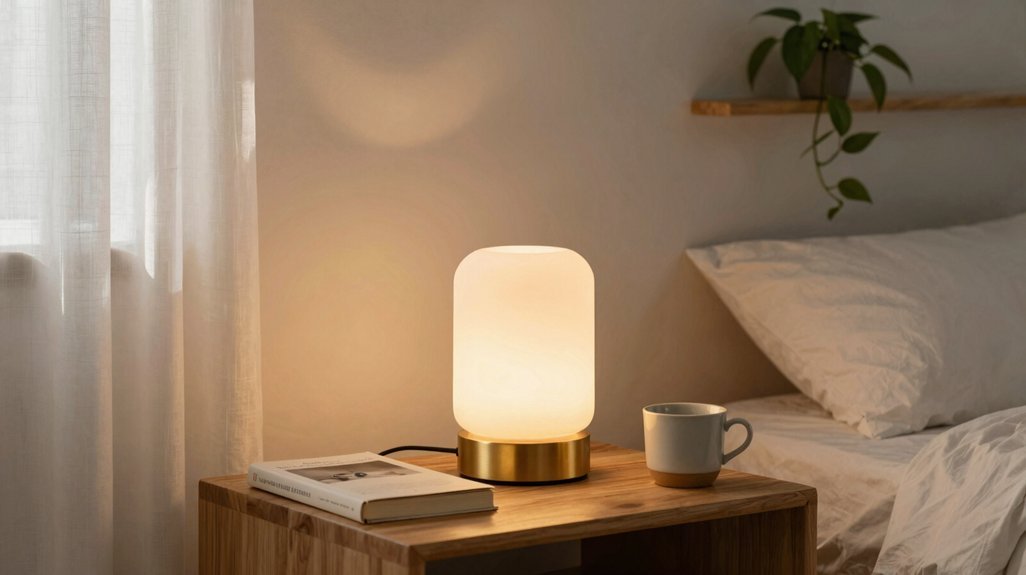
You’ve probably noticed how some rooms just feel right, and that’s usually because someone planned the lighting layers. Mood lighting works by mixing three things: how bright the light is, whether it’s warm (2700K) or cool (5000K+), and where you place it.
Your eyes actually contain special cells called ipRGCs that detect blue light and tell your brain to stay alert or wind down. Hotels use this trick to help you relax, and you can copy their setup at home with smart bulbs that shift from energizing daylight to evening tones that help you unwind.
The real question is which colors and placements will work best for your specific space.
What Mood Lighting Actually Does to Your Brain and Body
When you flip a switch or adjust a dimmer, you’re not just changing how a room looks. You’re actually sending signals straight to your brain and body. Mood lighting works through your retinal ganglion cells, specialized neurons that don’t help you see images but instead tell your brain whether it’s day or night. These cells are especially sensitive to blue light, which suppresses melatonin and keeps your circadian rhythm anchored to daylight hours.
Light intensity matters just as much as color. Too dim, and you’ll feel sluggish and uncomfortable. Too bright, and you’ll get overstimulated. You’re looking for that middle zone where alertness feels natural, not forced.
Get the balance right, and you’re supporting better sleep, steadier energy, and a calmer mood throughout your day.
Recommended Products

5 SELECTABLE COLOR TEMPERATURES IN ONE BULB – Customize your lighting during installation with a built-in switch offering 2700K Soft White, 3000K Bright White, 3500K Neutral White, 4000K Cool White, or 5000K Daylight. Easily match existing fixtures without buying multiple bulbs. Ideal for living rooms, kitchens, bedrooms, offices, and hallways where flexible lighting control is needed
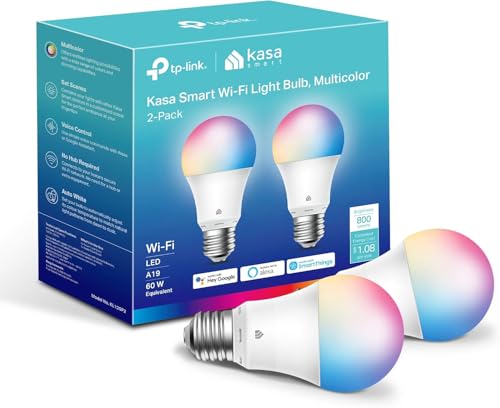
Multicolor & Auto White: Dimmable 16 million colors and warm to cool whites(2500K-6500K). Set your bulb to automatically adjust its color temperature to match natural light patterns from dawn to dusk. Explore endless lighting possibilities to create your favorite light effects for everything from a dinner party to a late-night study session. Great for holiday decorations.

How Color Temperature Shapes Alertness and Relaxation
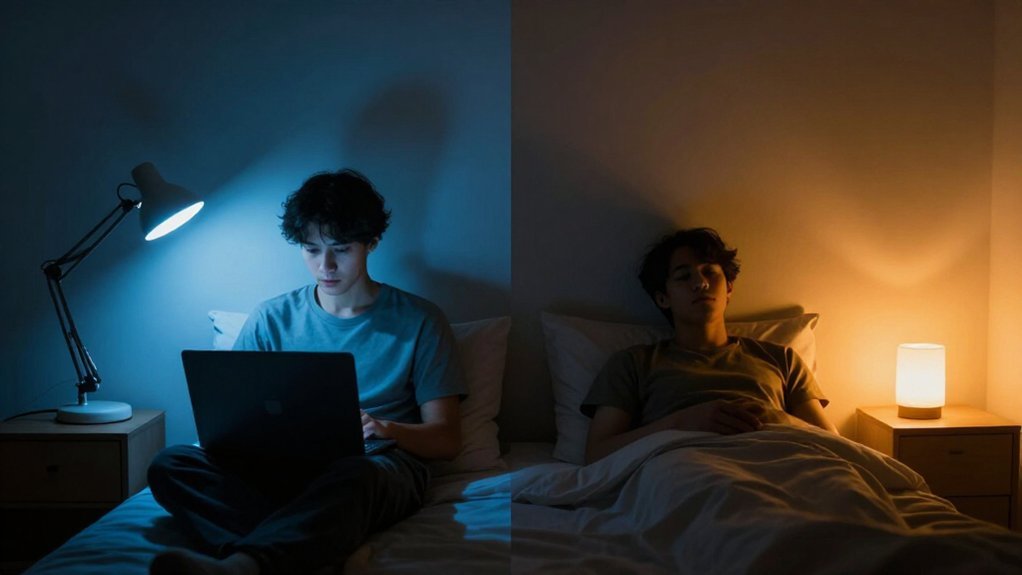
Because your brain reads light color as a clock signal, the temperature you choose shapes whether you feel wired or ready to unwind. Color temperature, measured in Kelvin, works like a dial for your daily rhythm. You’ll find that blue and white tones above 5000K mimic daylight, keeping you sharp by suppressing the hormone melatonin and boosting alertness. That’s why offices use these cooler temperatures for focus and performance.
But here’s the flip side: when evening hits, you’ll want to swap in warmer 2700–3000K light. Red and blue balance shifts toward amber tones, letting your body wind down naturally. Field studies show this approach actually improves sleep quality over time, since you’re not fighting your biology. Match your lighting to your schedule, and you’re working with your body, not against it.
Recommended Products
Reminder: Color temperature, measured in Kelvin (K), determines the hue of white light. LOWER Kelvin values produce a WARMER, YELLOWER light, while HIGHER Kelvin values produce a COOLER, Whiter light.
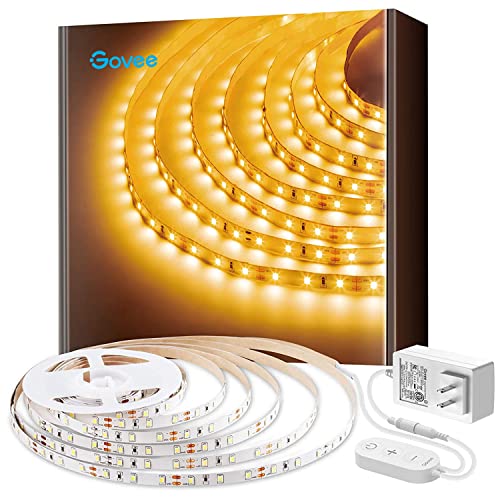
Warm White LED: With 300 LEDs and a 3000K color temperature, you'll enjoy an incredibly warm and bright illumination with improved color quality. Light up those dark rooms, cabinets and any corners with ease.

Start saving today with these energy efficient MR16 LED Light Bulbs. These lights have a GU10 base.
The Science Behind Warm vs. Cool Light Effects
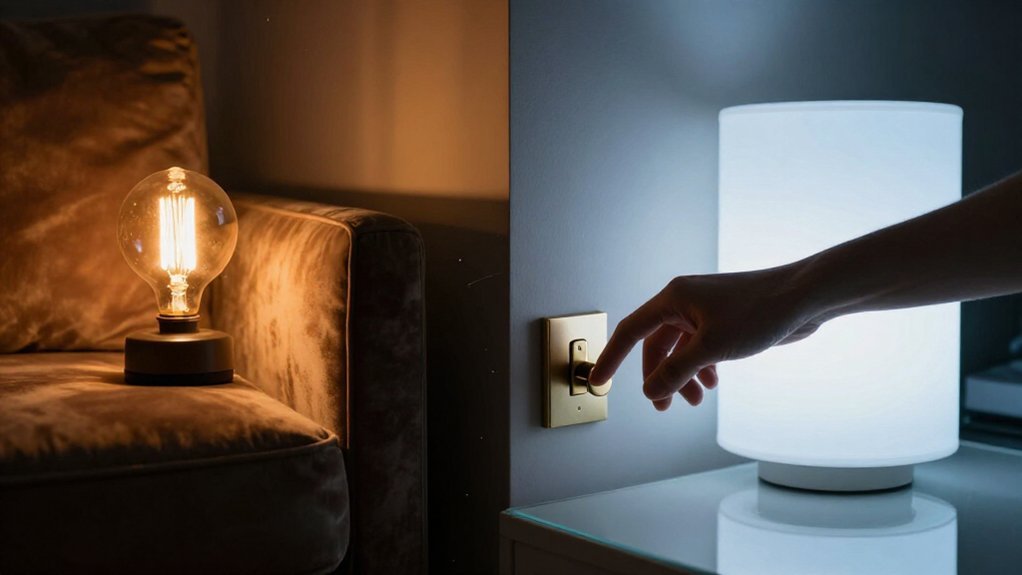
Why does one light make you sleepy and another keep you going? The answer lies in colour temperature, measured in Kelvin (K), which shapes how your brain responds to light.
Warm light, around 2700K to 3000K, feels comfortable and relaxing. Your body reads this as “night time,” helping you wind down and sleep better because it avoids confusing your internal clock.
Cool light, above 5000K, contains more blue light. When this hits your eyes, it triggers special cells that suppress melatonin, the hormone that makes you drowsy. This keeps you alert and focused, making it a good choice for morning routines or workspaces.
Field studies show that blue-enriched lighting over weeks boosts alertness and even improves sleep quality later. It’s all about matching light to your body’s needs.
Recommended Products

ENERGY EFFICIENT: These 9W LED light bulbs provide the brightness of 60 watt light bulbs, saving $55.87 in energy costs over their lifetime compared to the incandescent equivalent
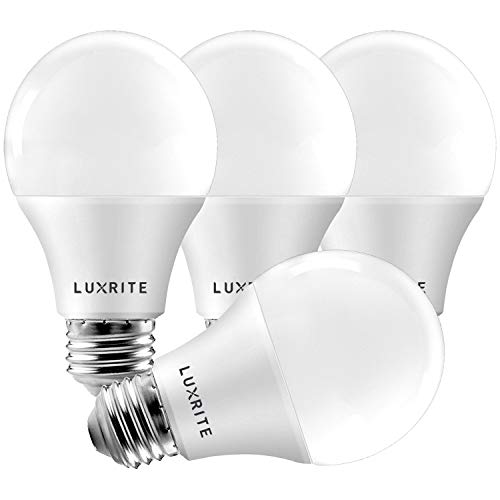
✔BRIGHTEST – Giving you 800 lumens of crisp, quality lighting that is perfect for any atmosphere and brighter than your standard A19 LED bulb. Provide more light to your kitchen, bedroom, living room, office, or any space for brighter home lighting.
LONG LASTING PERFORMANCE: These LED bulbs offer a 10,000 hour lifespan, providing lasting illumination for over 9 years (based on 3 hours of use each day), helping minimize replacements
Which Colors Trigger Specific Emotional Responses
Beyond the basics of warm and cool temperatures, specific colors can shape how you actually feel in a space. Blue and red light, for instance, can leave you feeling less calm and more on edge, according to a 2022 study in China. Red light specifically tends to ramp up irritation and nervousness.
Green light might seem relaxing, but that same research found it actually reduces pleasure rather than boosting relaxation. Yellow light offers a gentler touch, with reduced irritated feelings compared to harsher tones.
Your mood also hinges on brightness, hitting its sweet spot when lighting feels “just right” and dipping when it’s too dim or glaring. These color effects travel through light-sensitive retinal pathways, so your light exposure directly steers your emotional state.
Recommended Products

【Upgraded Wobble-Free Design & Secure Assembly】We've upgraded the connection with a secure plug-and-screw design, ensuring your corner floor lamp stands perfectly straight without leaning. Combined with a broader 7-inch base and a taller 59-inch profile, this modern floor lamp delivers vibrant, stable illumination while remaining lightweight and easy to move for your living room or bedroom decor.

Dynamic RGBICW Color Technology:Unleash your creativity with our RGBICW LED floor lamp, offering customizable colors for each segment to match nature themes, festivals, or your mood. Simultaneous multi-color displays make it ideal for holiday decor or as a unique family gift.

3 Level Brightness — The button on the side of this plug in night light can adjust the brightness 30/60/100LM to meet your different brightness needs.
Why Your Eyes Have Built-In Mood Sensors
Your eyes aren’t just cameras. They’re actually filled with special sensors called ipRGCs that constantly read light levels and color temperature, then quietly nudge your brain toward alertness or calm without you noticing. These cells love blue light, which is why that bright, cool-white LED overhead can make you feel wired even when you’re tired, while a dim, warm lamp helps you unwind. It’s pretty wild that your retina’s doing this circadian math all day, but once you know it’s happening, you can pick bulbs that work with your body instead of against it.
Recommended Products

Circadian Rhythm Optimization – Features 2700K, 2100K, and 1400K settings to sync with your body’s natural cycles, supporting better sleep, evening relaxation, and daytime alertness. The bulbs are dimmable, energy efficient and flicker free.

✔ INNOVATIVE DUAL MODE: This Circadian LED light bulbs offers the ability to control and personalize the spectrum of the lighting to deliver optimal daytime productivity and natural speep enhancement in one light

Amber Light Bulbs (Blue Light Blocking): The sleep light bulbs with remote features a 1600K color temperature amber light bulbs for sleep that emits 99.95% less blue light, promoting the secretion of melatonin in the evening and reducing eye fatigue. The absence of blue light in the environment helps melanopsin receptors in the retina signal the brain to prepare for sleep by releasing melatonin.
ipRGCs and Mood
Although you might think your eyes only help you see, they actually contain specialized neurons called ipRGCs that act like built-in mood sensors. These cells detect light even when you’re not consciously looking, picking up on the blue light that fills your room.
Your ipRGCs react to ambient lighting by triggering melatonin suppression, which keeps you alert when you need focus. They also nudge circadian-related hormones that shape whether you feel wired or relaxed.
Cool, bright lighting pushes these sensors toward wakefulness, while dimmer, warmer tones let your body unwind.
Circadian Light Response
Your eyes constantly monitor light levels even when you’re focused on other tasks, using those same ipRGC sensors to keep your internal clock running on schedule. These specialized cells feed directly into your circadian system, which responds strongest to blue-rich light around 490 nanometers.
When you encounter blue-enriched lighting during daytime hours, your ipRGCs suppress melatonin and boost alertness. This is a great choice for productivity, as cooler tones trigger wake-promoting signals.
However, lighting in the evening requires a different approach. As natural blue-sky light fades, your melatonin should rise to prepare you for sleep. Excess blue wavelengths from screens and fixtures at night disrupt this rhythm, delaying rest and reducing sleep quality.
Smart circadian design means higher blue content when you need focus, warmer spectrums when you’re winding down.
Blue Light Alertness
Inside your eyes, you’ve got built-in sensors that act like mood detectors for light. These ipRGCs pick up blue light around 490 nm, the sky-blue range, and trigger your circadian system into daytime mode. When this happens, you suppress melatonin, the hormone that makes you sleepy, and your body releases cortisol instead. That shift boosts alertness before you even notice the lighting changed.
Office studies back this up. Workers under blue-enriched lighting for weeks reported better alertness, sharper performance, and improved sleep quality compared to dimmer, warmer setups. The key isn’t just brightness, it’s melanopic output: the biologically active circadian stimulation that hits those retinal sensors.
How Hotels and Airlines Use Mood Lighting (And What to Steal)
You’ll notice hotels layer ambient, task, and accent lighting with dimmable, warm temperatures to ease your passage from lobby to room, while their restaurants drop the brightness even lower for intimacy.
Airlines like Qantas take a different approach, programming circadian-focused cabin scenes, blue-enriched “Awake” settings for alertness, and warm sunset shifts that nudge your body clock toward sleep.
What you’re really seeing is the same biological hack everywhere: cooler light when you need to perk up, warmer dimmers when you’re winding down. You can absolutely steal this for your own space with smart bulbs and a little scheduling.
Recommended Products

Voice Control: Get hands-free control of your lights with your voice via Amazon Alexa or Google Assistant; Perfect for times when your hands are full or entering a dark room

Before You Buy – Fit & Compatibility: Fits 5" or 6" recessed cans. BR30 bulb measures 3.74" diameter × 5.04" height. NOT for BR40 or PAR30. Please measure your can before purchasing. Do NOT use with dimmable fixtures that have a dimmer switch (may cause flickering). Supports 2.4G Wi-Fi only.
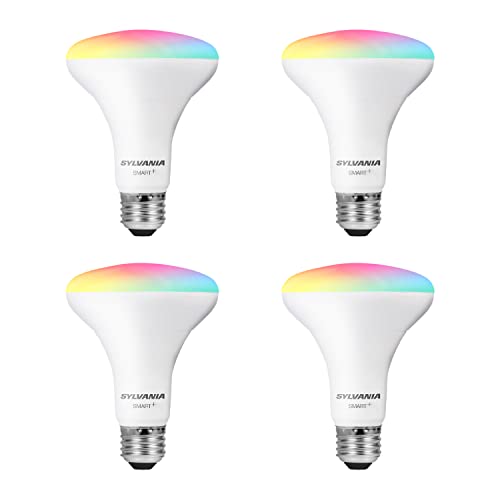
Hassle-Free Voice Control: The SYLVANIA SMART+ light bulbs are compatible with Alexa, Siri Shortcuts, and Google Home. Power the lights, dim, and adjust colors using simple voice commands – no hub required. Not compatible with Apple HomeKit.
Circadian Flight Design
When you’re stuck on a long flight or crashing in a hotel room far from home, your body doesn’t care what time your phone says it is, it cares about the light hitting your eyes. That’s where circadian flight design steps in, using LED lights to trick your internal clock.
Your eyes contain melanopsin, a light sensor that reacts strongly to blue light around 480 nanometers. This blue light signals your brain to stay alert, so airlines now push higher Kelvin (K) temperatures during daytime hours, often exceeding 6000K. Then they dial back to warmer tones below 3000K as evening approaches.
Qantas tested this with Project Sunrise, running 12 scenes including blue-rich “Awake” modes and amber “Sunset” changes. You can apply this approach by avoiding harsh blue light at night in your own space.
Dining Atmosphere Control
You’ve already seen how airlines manipulate light to reset your body clock, but the same tricks work when you’re just trying to enjoy a meal. In your dining room, lighting for mood isn’t just decorative: it’s functional dim illumination that makes you feel comfortable rather than alert. Hotels know mood depends on perceived brightness, so they avoid “much too dark” or “too bright,” landing on controlled, warm softness.
Like Qantas’s 12 cabin scenes guiding passengers toward better sleep, layered accent lighting steers your attention. A base glow keeps things intimate, while highlights hit features like artwork or your plate. You’re borrowing airline wisdom: adjustable warmth and timing shape how you feel during dinner. It’s practical atmosphere control, scaled for home.
Ambient Adaptation Techniques
Your body responds to light like a plant leaning toward a window, and hotels have figured out how to use that instinct against jet lag. They practice ambient adaptation, shifting color temperature and brightness throughout the day to match your internal clock. You’ll find cooler, blue-enriched artificial light for morning alertness, then warmer tones near 2700K as evening approaches.
Airlines like Qantas took this lighting design further with 12 cabin scenes, including “Sunrise” and “Sunset” changes that ease you between time zones. The trick you’re stealing is simple: use light for specific goals, not just visibility. Layer multiple sources, dim strategically, and match your desired atmosphere to the actual time of day. Controllable LEDs make this practical at home without rewiring your entire space.
Mood Lighting Setup for Offices, Bedrooms, and Living Rooms
In most rooms, light plays a bigger role than you’d expect, shaping how alert, relaxed, or comfortable you feel at different hours.
For your office, you’ll want to get the right lighting by building a base of soft ambient lighting, then adding focused task lighting at your desk to cut eye strain. Consider blue-enriched higher color temperature bulbs here, since studies show they boost alertness and performance over time.
Layer ambient and task lighting in your office, then add blue-enriched bulbs to stay sharp and productive.
In your bedroom, shift from cooler daytime light to 2700–3000K warm dim light at night. This matches your body’s circadian cues and supports better sleep.
Your living room needs layers: ambient plus accent plus decorative lighting, so you hit that “just right” feeling instead of too dark or too bright. Install dimmers everywhere; they’re a good choice for controlling intensity as evening arrives.
Recommended Products

【Dimmable & Versatile】Smoothly adjust brightness with TRIAC dimmer compatibility. Tailor your lighting from soft to bright, ideal for relaxing evenings or task-focused environments. Not compatible with smart dimmers
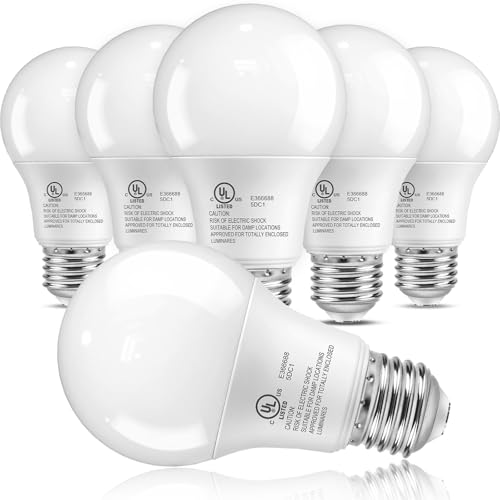
Energy Efficient & Long Lifespan: Replace your old bulbs with this A19 9W LED bulb and slash your lighting energy use by 90%—say goodbye to inefficient 60W incandescents. At just $1.08 per year (based on 3 hours/day) and with a 15,000-hour lifespan, it cuts maintenance to nearly zero while delivering bright, steady light you can count on for years

★【𝐁𝐫𝐢𝐠𝐡𝐭 𝐔𝐧𝐝𝐞𝐫 𝐂𝐚𝐛𝐢𝐧𝐞𝐭 𝐋𝐢𝐠𝐡𝐭𝐢𝐧𝐠 𝐁𝐚𝐫𝐬】The whole set of cabinet light is 903lumens(Pack of 3 pieces) , soft white daylight 2700K, can illuminate any vignette-ting angle, No glare, no LED dots, no flicker; It is the perfect lighting for kitchen counter cabinet, closet, sink, bookcase, TV cabinet, shelf and so on.
Smart Bulbs vs. LED Strips: What to Buy for Mood Lighting
Where exactly should you put your money when building a mood lighting setup?
Smart bulbs give you color temperature and dimmable LED options, like warm 2700–3000K for relaxed evenings or cooler 5000K+ for alertness. Lighting involves using brightness and spectrum to shift your mood through melanopsin pathways in your eyes.
LED strips work great for indirect, layered ambiance behind headboards or under cabinets. They spread light gently and cut harsh glare that overhead bulbs create.
You’ll want dimmed LED settings that feel “just right”, since mood drops when light feels too dark or too bright. Mixing both products tends to work best: use strips for soft background accents and smart bulbs for scene-based changes. This combination builds the feel and atmosphere you’re after.
Recommended Products

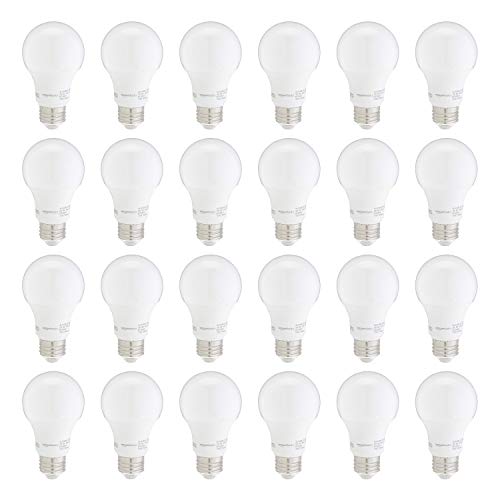
Technical Features: 24 Packs, A19 Daylight LED bulbs, 8.5 watts, 800 lumens, daylight 5000k, light bulbs 60 watt equivalent, E26 base, non-dimmable, frosted, AC-120V, CRI 80, beam angle 230°, turn on instantly
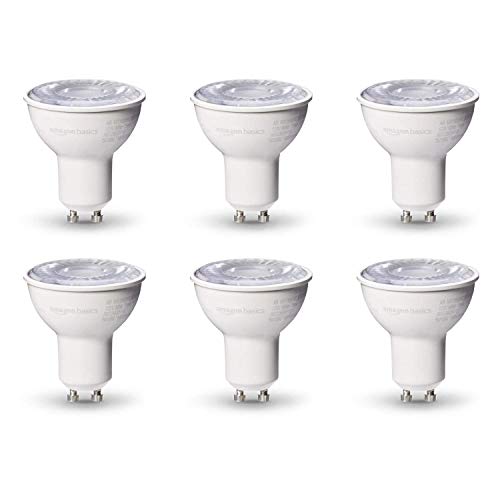
Start saving today with these energy efficient MR16 LED Light Bulbs. These lights have a GU10 base.

【Adjustable Brightness】 :3 Way LED Light Bulbs provides three different brightness, low – medium – high (600/1200/1600LM), can be adjusted according to the needs of the brightness, creating a relaxing atmosphere for any occasion.
Leave a Reply