
You’re standing in the baby aisle, staring at a $200 bassinet and a $500 crib, and you’re wondering which one you actually need. Both promise safe sleep, but they serve different timelines, different spaces, and different midnight realities.
A bassinet fits beside your bed at 18 inches high and weighs under 20 pounds, while a standard crib spans 52 by 28 inches and stays put for years.
The weight limits tell the real story: most bassinets max out at 15 to 20 pounds or the first rollover, whichever comes first.
Cribs convert to toddler beds and handle up to 50 pounds.
Here’s what actually matters when you’re deciding where your newborn sleeps.
Which Comes First: Safety or Convenience?
The choice between a bassinet and a crib brings up one question parents face early on: what matters more, keeping your baby safe, or keeping things easy? When you’re weighing Bassinet vs Crib options, you’ll notice bassinets offer quick access for night feedings and fit nicely beside your bed for room-sharing. They’re lightweight, often around 10–20 pounds, and many include soothing features like vibration or swivel bases.
But here’s where you need to pause. The American Academy of Pediatrics (AAP) safe sleep guidelines don’t bend for convenience. You’ll need a firm, flat mattress with a tight-fitted sheet, and your baby must sleep on their back every time. Bassinets have strict limits, usually 15–20 pounds or when your baby starts rolling, typically by 3–6 months.
If you’re torn between easy access and proper setup, choose safety. Use only the manufacturer-approved mattress, check for gaps, and read those weight limits carefully.
Recommended Products

KEEP BABY SAFELY BY YOUR BED: A great alternative to bed sharing, this bedside sleeper keeps Baby close the slim base with wheels easily slides under your bed, sofa or chair making it a safe, separate space for your baby
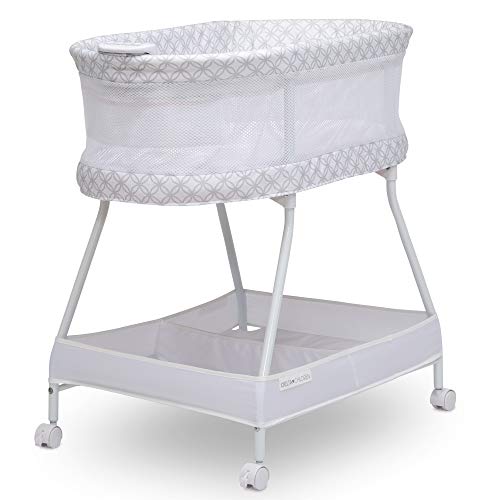
VIBRATION & SOUNDS: This bassinet’s electronic pod features music, nature sounds, nightlight and vibrations

Versatile 3-in-1 Design: Our Baby Bassinet offers three different functions in one product. It can standalone crib, bedside sleeper or portable travel bed. This versatile design ensures that you can use it according to your specific needs and preferences.
Bassinet vs Crib: How Long Each Actually Lasts
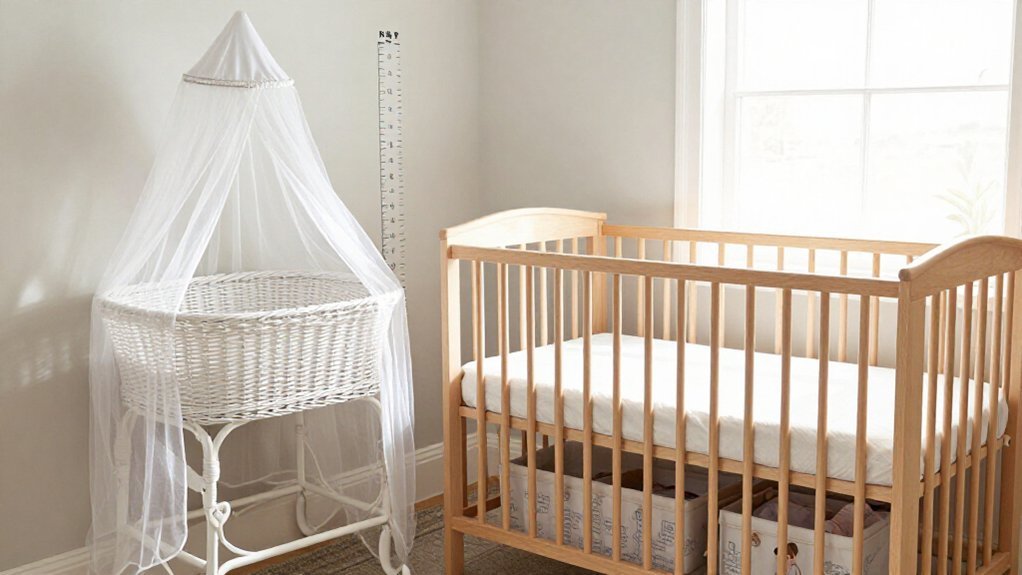
You’ll get only a few months out of a bassinet, since most max out at 15–20 pounds or become unsafe once your baby starts rolling and pushing up, usually by month four or six. A crib, by contrast, carries you through years, with adjustable mattress heights that drop lower as your little one grows and eventually toddles toward climbing.
If you’re weighing the investment, remember that a convertible crib can stretch even further, changing into a toddler bed that keeps pace with your child until age three or beyond.
Recommended Products
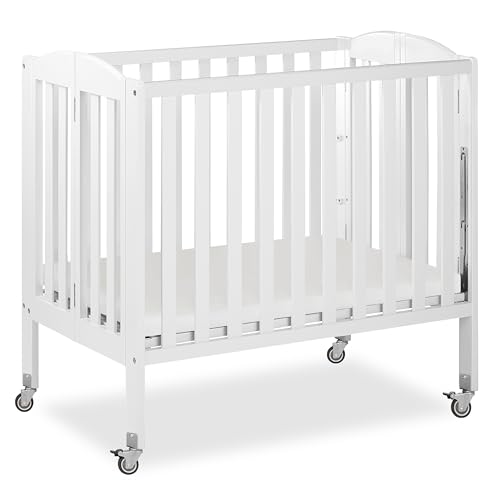
One Crib, Three Functions- The Dream On Me 3-in-1 Folding Portable Crib grows with your little one—serving as a crib, playpen, and changing station all in one. A practical and space-saving choice, it’s ideal for families, daycare centers, and grandparents’ homes.

Convenient Care for New Parents: Our bassinet seamlessly converts into a bedside sleeper, diaper table, or standalone crib, offering flexibility to care for your baby whenever and wherever needed

【Convertible Anytime Meet Different Needs 】This bedside bassinet could convert as you want, it can be used as a movable bassinet for baby, bassinet bedside sleeper attached to the adult bed, or a safe stationary baby bassinets bedside sleepert. With the zipper design on the side, you can change to mini crib mode freely and easily nurse or feed your baby during the night, comforting and bonding
Bassinet Lifespan Limits
Although bassinets seem convenient for those first few weeks, you’re looking at a pretty short window of use. Most bassinets weight limit caps out at 15 to 20 pounds, which many babies hit well before you’d expect. You’re typically getting just the first few months, often around four months or less, before you must move on.
The real kicker comes when your baby starts rolling, pushes up on hands and knees, or pulls themselves up. You must stop using the bassinet immediately at whichever milestone hits first, not just when the calendar runs out. These developmental readiness signs create a hard cutoff that arrives sooner than most parents anticipate.
Plan accordingly, knowing you’ll likely switch over to a crib around the 4-6 month window once you hit either limit.
Crib Longevity Advantages
A crib stretches your investment across years, not months. While bassinets tap out around 4 to 6 months, crib longevity carries you from day one through toddlerhood, roughly three years or more depending on your child’s growth and climbing habits.
You’ll appreciate how adjustable mattress height keeps things safer as baby grows. Start high for easy newborn lifting, then drop it lower once sitting and standing begin. Many parents love this built-in adaptability.
A convertible crib offers even more mileage, changing into a toddler bed or daybed for extended use. That’s one purchase covering multiple stages, rather than buying new sleep gear every few months. For a straightforward, long-lasting sleep setup, the crib simply outlasts its smaller competitor.
Transition Timing Factors
When you’re deciding between a bassinet and crib, how long each one actually lasts depends on your baby’s growth, not just the calendar. Most bassinets serve you for roughly 0–4 months, and you’ll need to move to a crib around 4–6 months, or sooner if your baby hits that 15–20 lb weight limit.
Don’t wait if your little one shows mobility milestones, like these:
- Rolling over unexpectedly in the night
- Pushing up on hands and knees, ready to crawl
- Pulling up on the bassinet sides, eyes gleaming with newfound strength
The bassinet vs a crib question really comes down to longevity. While the bassinet has strict limits, a crib carries your child from infancy through toddlerhood, often until age 2–3, thanks to adjustable mattress heights. Try a week or two of daytime crib naps first, a good option for easing the adjustment.
Small Space? Why Bassinets Win on Size
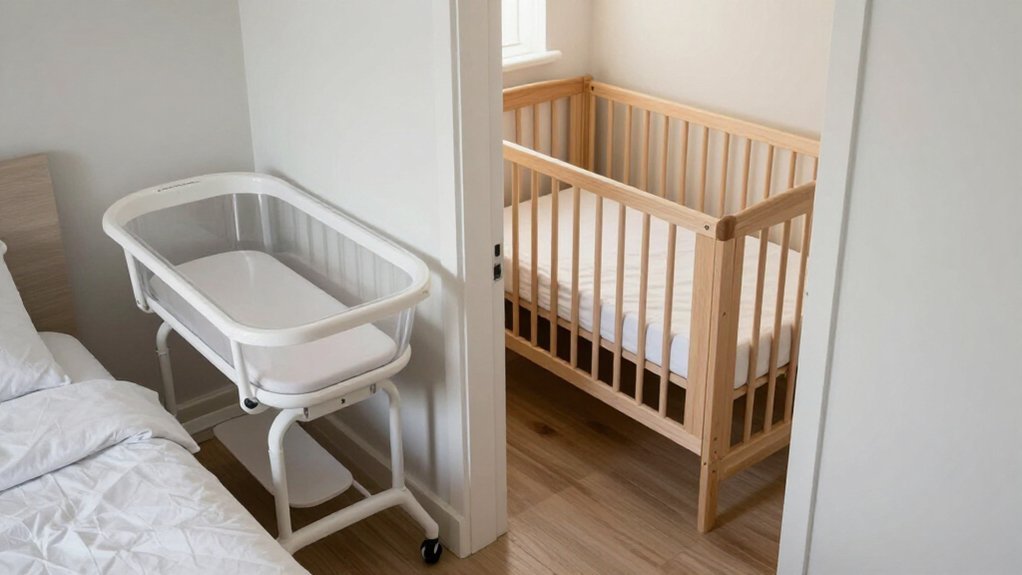
The compact footprint of a bassinet can make a real difference when you’re working with limited square footage. Bassinets take up far less room than cribs, so you’ll squeeze one into a studio apartment or cramped master bedroom without rearranging furniture. Most measure roughly 30–35 inches long and 15–20 inches wide, while standard cribs demand about 28 inches by 52 inches of dedicated floor space.
You’re also getting portability; many bassinets weigh under 20 pounds with wheels or fold-flat designs. This lets you roll baby from living room to bedroom without committing an entire nursery. The raised base, typically 28–34 inches high, saves your back during nighttime checks in tight quarters.
Recommended Products

CLASSIC, STYLISH DESIGN— VERSATILE, EASY-TO-MATCH STYLE: The Benton features classic lines, stylish details, and an easy-to-match versatile design making it the perfect addition to any nursery

5-IN-1 CONVERTIBLE CRIB: Converts from baby crib (mattress sold separately) to toddler bed (toddler guardrail sold separately), daybed, and full-size bed with headboard & optional footboard (conversion kit sold separately); Assembly required

ONE CRIB THAT GROWS WITH YOUR FAMILY: From your baby's first bedtime to the big kid years, the Synergy converts from a crib to a toddler bed, daybed, and full-size bed with or without a footboard. Toddler guardrail, stabilizer, and full-size rails sold separately.
Safe Room-Sharing: How Close Is Close Enough?
Compact size matters, but proximity matters more once you bring baby home. For safe room-sharing, you’ll want your little one within arm’s reach, not across the room. The AAP recommends keeping their baby close for at least six months, ideally up to a year, which makes bassinets and cribs both viable options depending on your space.
Picture this setup in your bedroom:
- A bassinet parked right beside your mattress, so you can touch baby without standing
- A full-size crib anchored nearby, its railing within easy checking distance
- Firm, flat sleep surfaces with tight sheets, nothing else inside
- Thermostat set to 68–72°F, no loose blankets or toys in sight
Room-sharing beats bed-sharing for safety, letting you respond quickly while avoiding suffocation risks. If your bedroom’s tight, a bassinet’s smaller footprint keeps baby closer than most cribs allow.
Recommended Products

NON-TOXIC, OEKO-TEX STANDARD 100 CERTIFIED COVER: Tested against a list of 1,000+ harmful substances, the soft cover is non-toxic and gentle on a newborn's delicate skin — safe for your baby and family. Best for parents who want a chemical-screened sleep surface from day one.

【No Seams – Fits all 54 "x29.5" cribs】We use hand sewing techniques to provide a tight fit to the crib every time. No risk of unsafe space or losing pacifiers, toys on either side or corner of your crib. And this comfortable Crib & Toddler mattress meets 16-CFR-1633,16-CFR-1632,16-CFR-1241 standard.

COOLER, SAFER SLEEP FOR BABY: Breathable cotton cover with airflow channels helps promote air circulation around your baby for a cooler sleep environment, while the waterproof, PVC-free barrier helps protect against leaks and messes. Firm crib mattress surface supports safer sleep and easy cleanup.
Midnight Feedings: Why Bassinets Beat Cribs for Access
You keep your baby within arm’s reach when you use a bedside bassinet, so you’re responding to hunger cues in seconds instead of stumbling across the house to a nursery crib. The lower, waist-height design means you’re lifting less and straining less, especially during those early postpartum weeks when your body needs every break it can get.
Many bassinets also come with accessible sides or gentle rocking features, letting you settle baby faster and get back to sleep sooner than you’d manage with a standard crib setup.
Recommended Products

Light & versatile: The Karley bassinet is designed with a lightweight aluminum frame that allows you to move it easily from room to room. It comes with a no-tool assembly & quick-folding mechanism. Use it indoors and carry it outdoors without any hassle

One Bassinet. 5 Ways to Adapt to Your Baby’s Needs: Designed for modern parenting needs, this multifunction bassinet converts into a bedside sleeper, standalone bassinet, rocking bassinet, floor crib, and adjustable incline mode for seamless day-to-night use

VERSATILE CONVERTIBLE MODE: This Baby Bassinet is armed with CPC, ASTM, and CPSIA Certified. All Baby Bassinet of production process and strict quality inspection. 3-in-1 baby cradle can be used as a standalone cradle, attached to an adult bed as a bedside sleeper by unzipping the side panel, and also functions as a rocking crib, mimicking the swaying motion of parents. The three modes can be switched according to different needs.
Proximity Advantage
With a bassinet parked right beside your mattress, you’re looking at arm’s reach instead of a hallway trek when your baby stirs at 2 AM. This closeness turns your sleeping spaces into a connected care zone where you respond in seconds, not minutes.
Picture the difference:
Your hand gliding through mesh sidewalls to rest on baby’s chest, feeling breath without standing.
A waist-height sleep surface lets you lift and settle without bending, your incision still healing from surgery.
Wheels rolling from bedroom to living room for morning coffee, naptime following you.
A swivel base rotating toward you, baby already soothed before full wakefulness sets in.
You’re maintaining that AAP-recommended room-sharing without sacrificing your rest. The bassinet keeps you close enough to protect, separate enough to sleep.
Easier Nighttime Access
A bassinet’s greatest practical advantage shows up at 3 AM, when you’re running on fragmented sleep and every minute of rest counts. You keep your sleeping area right beside your bed at adult height, so you reach over and check on baby in seconds. No walking to the nursery, no full wake-up.
Many bassinets include lowering walls or swivel bases, like 360° bedside designs, that let you access baby with minimal disruption. You place baby down faster when they stir, cutting time between feedings and helping everyone return to sleep sooner.
This easier nighttime access matters most during those first 4–6 months, when you’re feeding and checking constantly. Once baby hits 15–20 pounds, you’ll shift to a crib, but that early convenience is a great choice for exhausted parents.
Adjustable Heights: Growing With Your Baby
Because your back will thank you later, most bassinets and cribs now come with adjustable mattress heights, a feature that lets you raise the sleeping surface high for easy reach during those exhausting newborn weeks, then lower it as your baby grows and starts moving around.
A bassinet is designed to keep your newborn at arm’s reach, perfect for those 2 a.m. feedings, while cribs offer mattress height adjustments that shift from high for easy access to low once your baby pushes up or stands.
Think about lifting your sleeping newborn without bending. Consider lowering the mattress as tiny hands grip the rails. Notice the snug, gap-free fit every time you adjust. Remember to check weight limits before entering.
Always follow manufacturer guidelines, verify gap-free fit, and use only a fitted sheet.
Recommended Products
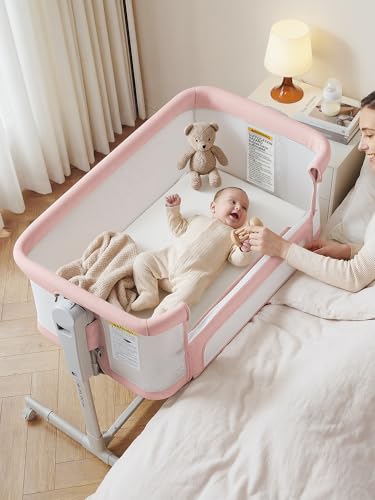
Sturdy Anti-Wobble Frame & Anti-Tip Sleep Pod: ONTHEWEI frame (built with reinforced structural support) ensures anti-wobble stability, while the sleep pod’s widened bottom brackets deliver anti-tip performance—even when baby rolls. A safe, rock-solid bedside care solution

Smart 3-in-1 Convertible Crib – Designed to grow with your child, this crib transitions from a crib (mattress sold separately) to a toddler bed and full-size daybed (conversion kits sold separately).

Extra-Wide Triangular Support Frame – Rock-Solid Stability You Can Trust. Prioritizing newborn safety, our bedside bassinet features a reinforced widened triangular base with thickened one-piece frame. This design evenly distributes weight with a low center of gravity, ensuring the bassinet won't shake, tilt, or deform with daily use. Fewer joints allow faster assembly while dramatically improving durability for true peace of mind.
The Real Cost Difference: Short-Term vs Long-Term Value
How much are you really spending when you choose between a bassinet and a crib? Bassinets typically cost less upfront, but most are designed to last only the first few months, often up to about 4–6 months or roughly a 15–20 lb weight limit. You usually pay again later for a full-sized crib.
A crib generally has a higher initial price, but it can serve for years, often from infancy through toddlerhood. Some models convert into toddler beds or daybeds, spreading the cost over longer use. If you choose a convertible crib, the real per-month cost can be lower than buying a bassinet now and a separate crib later.
Premium bassinet features, like bedside adjustability or motion settings, can narrow the price gap. The long-term value question becomes how long you’ll use that bassinet before shifting. Overall budget value depends on your home plan.
Recommended Products

ONE CRIB THAT GROWS WITH YOUR FAMILY: From your baby's first bedtime to the big kid years, the Synergy converts from a crib to a toddler bed, daybed, and full-size bed with or without a footboard. Toddler guardrail, stabilizer, and full-size rails sold separately.
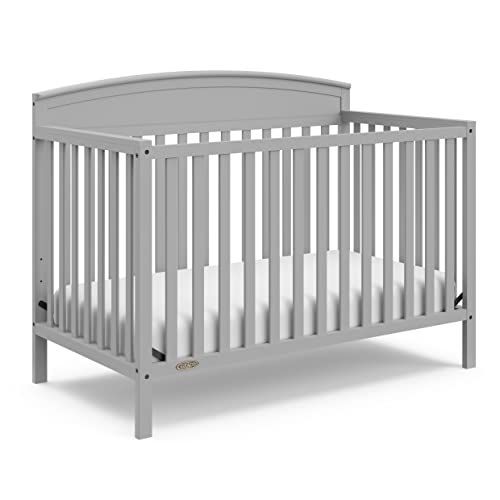
CLASSIC, STYLISH DESIGN— VERSATILE, EASY-TO-MATCH STYLE: The Benton features classic lines, stylish details, and an easy-to-match versatile design making it the perfect addition to any nursery

GREENGUARD GOLD CERTIFIED: This crib meets the most stringent chemical emissions standards to create a healthier home for your baby. Tested for more than 10,000 chemicals and VOCs, this crib is certified to contribute to cleaner indoor air
Traveling With a Newborn: Which One Comes With You?
When you’re packing for a trip with a newborn, you’ll quickly notice that size and weight matter more than almost anything else. You’ll grab the bassinet over the crib every time, since full-sized cribs demand disassembly and swallow trunk space whole.
Many parents rely on a portable sleeper for travel, typically a lightweight travel bassinet that folds flat or sets up bedside in hotels and guest rooms. These keep baby within arm’s reach for those 2 AM feedings away from home.
Think about your travel setup:
- A folded bassinet sliding under the hotel bed
- A portable sleeper clicking into place beside unfamiliar sheets
- A pack ‘n play with bassinet insert standing ready at grandma’s house
- Your baby sleeping safely on a firm, flat surface with just a fitted sheet
If you want maximum convenience, pack ‘n plays function as portable sleep spaces that move easily between locations. Remember, bassinets carry firm limits, usually 15–20 pounds or when baby starts rolling, so you’ll switch containers mid-trip if you hit those milestones.
Recommended Products

BREATHABLE COVER & CLOUD CORE: 100% breathable cover and Cloud Core | Unique open-air construction provides continuous airflow to allow babies to breathe right through the cover and core | Ongoing airflow is proven to reduce the risk of suffocation
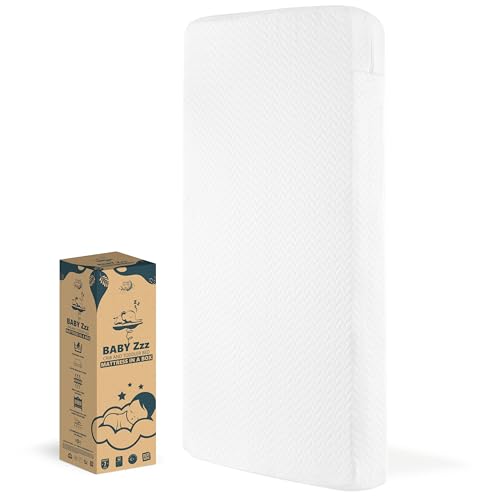
GROWS WITH BABY: Dual-sided crib mattress features a firm infant side (0–12 months) and a cushioned toddler side (12 months+), providing long-lasting comfort, proper support, and a safe sleep surface as your baby transitions from newborn to toddler stage.

FITS MINI & SELECT PORTABLE CRIBS – Measures 38” L x 24” W x 3” H for a snug, secure fit. Does not fit baby playards, ensuring proper fit and safer sleep.
When to Switch: Signs Your Baby Has Outgrown the Bassinet
After you’ve settled back home from traveling with your portable sleeper, you’ll start noticing your baby isn’t quite the same tiny newborn who fit so neatly in that compact space. Most families shift between 4 and 6 months, but you’ll know it’s time sooner if you spot specific milestones.
Watch for rolling over, pushing up on hands and knees, or pulling up to stand. Once your baby shows any of these, the bassinet becomes unsafe due to fall and entrapment risks. The American Academy of Pediatrics emphasizes stopping use immediately when your baby can prop their chest higher than the sides.
Check your manufacturer’s weight limit too, usually 15–20 pounds. Don’t try adjusting a lower or raised position feature to extend this sleeping option. When you see these signs, move to a crib with a firm, flat mattress.
Recommended Products

OPEN AIRFLOW: Mesh sides all around provide open airflow and clear view of your baby | Trim printed in a cool wave pattern adds a modern touch
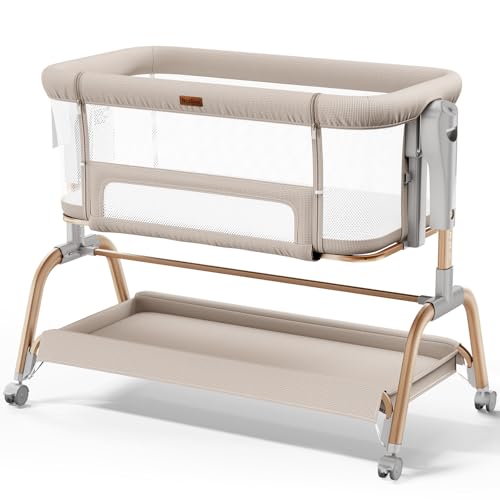
【Gentle Rocking Function】Our bassinet equipped with a smooth flat rocking mechanism to gently soothe your baby, helping them fall asleep faster and stay asleep longer.

ART OF NURSERY — STORKCRAFT’S AWARD-WINNING COLLECTION: By Storkcraft—North America’s longest-standing name in baby cribs—Art of Nursery is our most luxurious, award-winning collection; Quality-crafted with premium materials, hand-sketched with love
One or Both: The Smart Way to Start
You don’t have to pick just one sleep setup from day one. Many parents start with only a bassinet, since its compact size, usually around 30–33 inches long and 15–18 inches wide, fits right beside your bed for those exhausting newborn nights. Then, once your baby hits around 15–20 pounds or starts rolling over, you’ll add a crib to the mix for the long haul.
Recommended Products

DESIGNED FOR DEEPER, SAFER SLEEP. Because your baby’s comfort is more than just rest. It’s development, bonding, and peace of mind from the very first night. The Little Dreamer crib mattress promotes healthy sleep with a hypoallergenic cover and supportive materials designed to cradle your infant securely.

Adjustable Height: The baby bassinet has six heights to fit most standard bedside, sofas; Give your baby care and protection, even in the middle of the night;

Convenient Care for New Parents: Our bassinet seamlessly converts into a bedside sleeper, diaper table, or standalone crib, offering flexibility to care for your baby whenever and wherever needed
Starting With One
Where exactly should you begin when you’re staring at two empty walls and a growing registry? You’ll need to decide between a bassinet or crib as your first purchase, and this choice shapes those early months more than you’d expect.
Many parents start with just a bassinet, since most work from birth through roughly 4–6 months, or until baby hits about 15–20 pounds. This gives you room-sharing right away, which the AAP recommends for at least the first 6 months.
You’ll eventually switch from a bassinet to a full-size crib, so plan that second purchase into your timeline.
- A compact bassinet tucked beside your bed at 3 a.m.
- Wheels clicking softly across hardwood to the living room
- A crib mattress waiting, still wrapped, in the nursery corner
- Small clothes outgrown faster than the furniture
If you skip straight to a crib, you’ll gain years of use and sometimes a convertible toddler bed, but you’ll lose that bedside convenience from day one. Either way, stick to safe sleep basics: firm flat mattress, tight sheet, back sleeping, and nothing loose in the space.
Adding Both Later
Imagine this: it’s 2 a.m., your newborn’s stirring, and you’re reaching over from bed to scoop them up without even standing. You don’t need to purchase everything at once, but adding both a bassinet and a crib can be a great choice if your space and budget allow.
Start with the bassinet for those early months. It keeps your baby close, usually handles up to 15–20 pounds, and fits right beside your bed. Around 4–6 months, or when your little one starts rolling or pushing up, you’ll transition your baby to the crib.
Having both ready means less stress during that shift. You can use the crib for daytime naps while still enjoying nighttime convenience. Just remember: firm, flat mattresses only, fitted sheets, no extras. Move your baby to the crib immediately once those milestones hit.
Leave a Reply